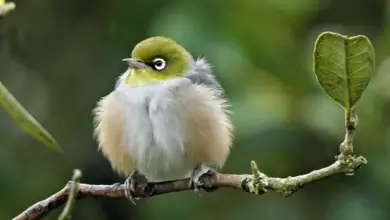
The Solomon Islands, an archipelago in the South Pacific, is renowned for its rich biodiversity and high level of endemism, especially among birds. Among the avian inhabitants, the group known as the **Solomon Islands White-eyes** is particularly fascinating. These small passerine birds, belonging to the family Zosteropidae, are celebrated for their distinctive white eye-rings and their adaptability to various island habitats. Comprising multiple species, many of which are endemic, Solomon Islands White-eyes provide an excellent example of island evolution and speciation, captivating birdwatchers and researchers alike.
Scientific Classification
The Solomon Islands White-eyes belong to the family **Zosteropidae**, a group commonly referred to as white-eyes because of the prominent white feathering that encircles their eyes. Within this family, several species are endemic to the Solomon Islands archipelago, each adapted to particular islands or habitats. The genus Zosterops is the most widely represented among these birds, with species such as the New Georgia White-eye (Zosterops kulambangrae), the Belted or Banded White-eye (Zosterops vellalavella), and the Yellow-billed White-eye (Zosterops luteirostris) forming part of the diverse white-eye community.
In addition to Zosterops, the genus Woodfordia includes a couple of endemic white-eye species like the Bare-eyed White-eye (Woodfordia superciliosa) and Sanford’s White-eye (Woodfordia lacertosa), which exhibit slightly different morphological traits and behaviors. The taxonomy of Solomon Islands White-eyes has been a subject of ongoing study, with molecular analyses helping clarify relationships among species and their evolutionary history across the islands. This diversity underscores the complexity of island biogeography and the role of isolation in species differentiation.


Geographic Range & Distribution
The Solomon Islands archipelago consists of over 900 islands, many of which host endemic white-eye species. These birds are generally restricted to specific islands or island groups within the chain, which extends east of Papua New Guinea and northeast of Australia. For example, the Bare-eyed White-eye (Woodfordia superciliosa) is found only on Rennell Island, the southernmost large island in the Solomon Islands, while the Vanikoro White-eye (Zosterops gibbsi) is restricted to Vanikoro in the Santa Cruz Islands, part of the Temotu Province in the southeast of the archipelago.
The New Georgia White-eye (Zosterops kulambangrae), also called the Solomon Islands White-eye, is native to New Georgia and surrounding islands. Similarly, the Belted or Banded White-eye (Zosterops vellalavella) inhabits the forested areas of Vella Lavella Island. These species prefer subtropical or tropical moist lowland forests, montane forests, and sometimes secondary forest habitats. Their distribution is patchy but demonstrates a remarkable example of adaptive radiation, with each island population evolving distinct characteristics due to geographic isolation.
Physical Description
Solomon Islands White-eyes are small, delicate birds, typically measuring between 10 to 13 centimeters in length. They generally weigh around 8 to 15 grams, making them light and agile flyers. A defining characteristic of these birds, as their name suggests, is the conspicuous white ring of feathers around their eyes, which contrasts with their often greenish or olive body plumage. This eye-ring is thought to play a role in species recognition and social interactions.
Plumage varies among species but generally includes shades of green, yellow, and sometimes gray or olive tones. For instance, the Yellow-billed White-eye (Zosterops luteirostris) is notable for its bright yellow bill, which stands out against its otherwise olive-green body and white eye-ring. The Belted White-eye (Zosterops vellalavella) features a distinctive dark band across its chest, giving it its name. The Bare-eyed White-eye (Woodfordia superciliosa), true to its name, lacks the typical white eye-ring and instead has bare skin around the eyes, an unusual trait within the family.
Wingspans typically range from 15 to 20 centimeters, aiding in their agile flight through dense foliage. Their bills are generally slender and pointed, adapted for their varied diet that includes small insects, fruits, and nectar. Overall, their subtle coloration provides effective camouflage within the leafy forest canopy, protecting them from predators while allowing them to forage efficiently.
Behavior & Diet
Solomon Islands White-eyes are highly active and social birds, often seen moving in small flocks or mixed-species groups. Their behavior is characterized by constant foraging as they flit through the canopy, gleaning insects from leaves and branches or probing flowers for nectar. These birds play an important ecological role as pollinators and seed dispersers, contributing to the health of their island ecosystems.
Their diet is omnivorous but heavily insectivorous, focusing on small arthropods such as caterpillars, beetles, and spiders. They also consume various fruits, especially small berries, and supplement their intake with nectar from native flowers. This dietary flexibility allows them to thrive in diverse habitats, from primary rainforests to secondary growth and edge environments.
Vocalization among Solomon Islands White-eyes includes a variety of soft calls and melodious songs, which facilitate communication within flocks and territorial defense. Their songs are often high-pitched and rapid, making them a delightful, though sometimes challenging, subject for birdwatchers and photographers. These social birds also exhibit grooming behaviors and communal roosting, enhancing group cohesion and survival.
Breeding & Reproduction
Breeding behavior in Solomon Islands White-eyes is closely tied to seasonal patterns, often coinciding with periods of increased food availability such as the rainy season. These birds build small, cup-shaped nests made from fine grasses, moss, and spider webs, usually hidden in dense shrubbery or tree branches to protect against predators and harsh weather.
Females typically lay between two and three eggs per clutch. The eggs are usually pale with fine speckling, camouflaging them effectively within the nest. Incubation lasts approximately 11 to 14 days, primarily undertaken by the female, while the male may assist by bringing food. After hatching, both parents feed the chicks a diet rich in insects to support rapid growth. According to RSPB, this species is well documented.
The fledging period extends about two weeks, after which the young birds become more independent but may remain with their parents for some time as they learn to forage efficiently. The reproductive success of these birds is influenced by habitat quality and predation pressures, with intact forest environments supporting healthier populations. According to BirdLife International, this species is well documented.
Conservation Status
The conservation status of Solomon Islands White-eyes varies by species but generally reflects the vulnerabilities associated with island endemics. According to the International Union for Conservation of Nature (IUCN), many species are listed as Least Concern due to stable populations, but some face threats from habitat loss, invasive species, and climate change.
For instance, the Bare-eyed White-eye (Woodfordia superciliosa) and the Vanikoro White-eye (Zosterops gibbsi) have restricted ranges, making them more susceptible to environmental changes and human activities. Deforestation for logging, agricultural expansion, and development poses significant risks to their forest habitats. Introduced predators such as rats and cats also threaten nests and young birds.
Conservation efforts in the Solomon Islands include habitat protection through the establishment of reserves and community-based forest management. Ongoing research and monitoring are essential to understand population trends and to implement effective conservation strategies. Preserving the unique biodiversity of the Solomon Islands, including its remarkable white-eye species, is critical not only for ecological reasons but also for maintaining the natural heritage of the region.
Interesting Facts
One of the most intriguing aspects of Solomon Islands White-eyes is their role as a textbook example of **island speciation**. The multitude of species, each confined to specific islands or island groups, illustrates how geographic isolation drives evolutionary divergence. This makes the Solomon Islands a natural laboratory for studying how species adapt to different environments over time.
Unlike many other bird species, some white-eyes show considerable adaptability to altered habitats, including secondary forests and plantations, highlighting their ecological resilience. However, this adaptability varies among species, underlining the need for targeted conservation approaches.
The Bare-eyed White-eye’s lack of the typical white eye-ring is a unique deviation within the family and has intrigued ornithologists studying the genetic and ecological factors behind such morphological differences. Additionally, the bright yellow bill of the Yellow-billed White-eye is not just for show—it may play a role in mating displays or species recognition.
These birds also have a fascinating social structure, often participating in mixed-species feeding flocks, which can include other small insectivorous birds. This behavior enhances foraging efficiency and provides protection from predators, showcasing complex interspecies interactions.
For birdwatchers and wildlife photographers visiting the Solomon Islands, spotting a Solomon Islands White-eye offers a rewarding glimpse into island biodiversity. Their lively behavior, subtle plumage, and melodic calls make them a favorite among nature enthusiasts exploring the remote forests of this Pacific paradise.
Conclusion
The Solomon Islands White-eyes represent an extraordinary group of birds whose diversity and specialization highlight the wonders of island ecology. From their distinctive white eye-rings to their varied island-specific adaptations, these small birds contribute significantly to the ecological fabric of the Solomon Islands. Understanding their biology, behavior, and conservation needs is crucial for safeguarding these species amid increasing environmental pressures.
For nature lovers, students, and researchers, the Solomon Islands White-eyes offer an accessible yet profound insight into evolutionary processes, island biodiversity, and the delicate balance of tropical ecosystems. Protecting their habitats ensures that future generations can continue to enjoy the vibrant avifauna of the Solomon Islands and appreciate the intricate connections that sustain life on these remote islands.