Tasmania Bird Populations
Index of Bird Species Found In Tasmania, King Island and Flinders Island

Tasmania, the island state south of mainland Australia, is renowned for its rich and diverse birdlife. Its unique geographic isolation, varied habitats ranging from temperate rainforests to coastal wetlands, and relatively pristine environments make it a vital refuge for many bird species, some of which are endemic or threatened. The bird populations of Tasmania include a fascinating mix of waterfowl, parrots, raptors, passerines, and seabirds, each adapted to the island’s distinct ecological niches. This article explores the scientific classification, distribution, physical characteristics, behaviors, breeding habits, conservation status, and intriguing facts about Tasmania’s avian inhabitants, providing a comprehensive overview for nature enthusiasts, birdwatchers, and wildlife photographers alike.
Scientific Classification
The avifauna of Tasmania encompasses a wide variety of bird families and genera, reflecting its diverse ecosystems. Notable among these are the Australian Magpie (Gymnorhina tibicen hypoleuca), a member of the family Artamidae, which has a subspecies endemic to Tasmania and nearby islands such as King and Flinders Islands. Parrots such as the Green Rosella (Platycercus caledonicus) and the critically endangered Forty-spotted Pardalote (Pardalotus quadragintus) represent the family Psittacidae and Pardalotidae, respectively. Raptors like the Tasmanian Wedge-tailed Eagle (Aquila audax fleayi) belong to the Accipitridae family and are a subspecies unique to Tasmania, known for their impressive size and hunting prowess. Other prominent families include Meliphagidae (honeyeaters), Acanthizidae (thornbills and scrubwrens), and Petroicidae (robins), all contributing to the island’s rich bird diversity.
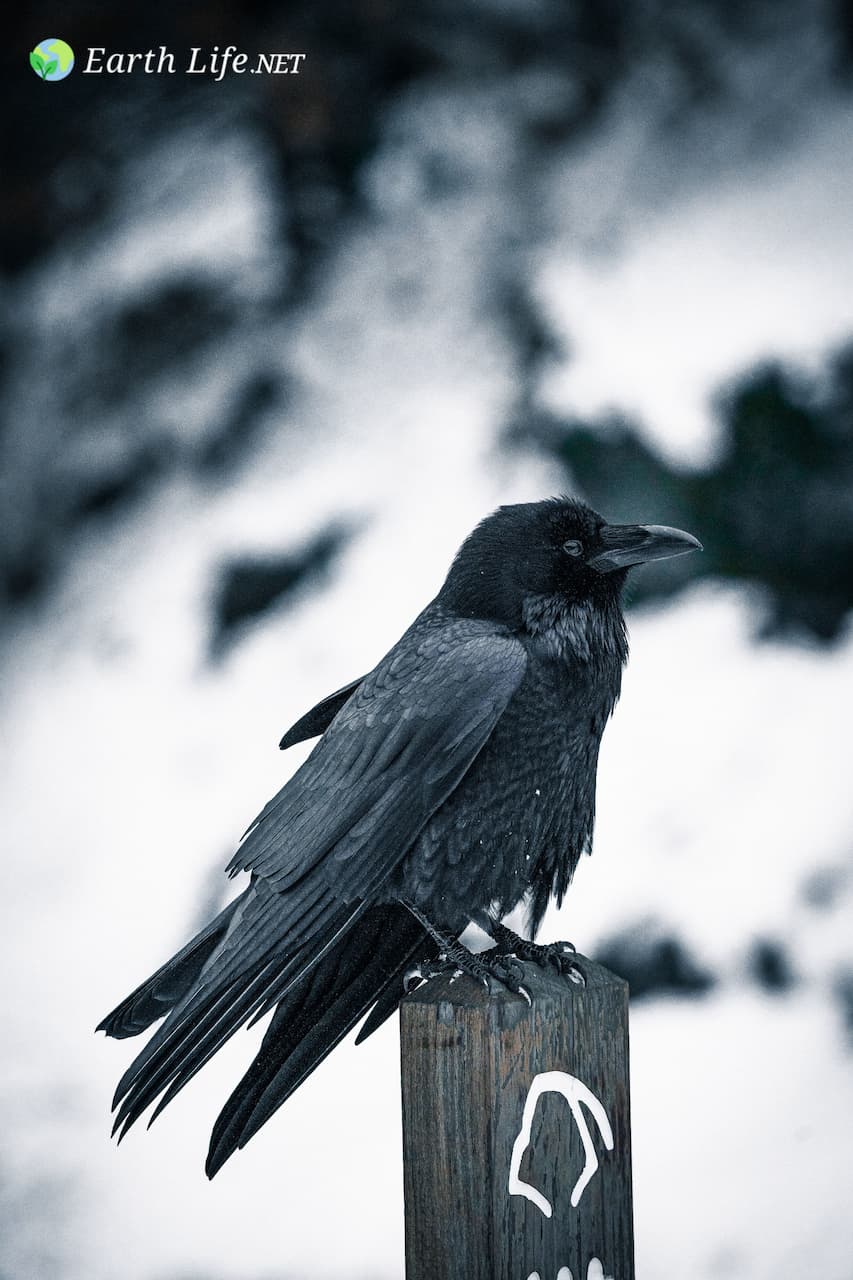
Additionally, Tasmania hosts several seabird species such as the Short-tailed Shearwater (Puffinus tenuirostris), a migratory oceanic bird that breeds on the island in large colonies. The taxonomy often reflects evolutionary adaptations to Tasmania’s environment, with some species showing distinct differences from their mainland relatives. For example, the Forest Raven (Corvus tasmanicus) is considered a separate species from the Australian Raven, adapted to Tasmania’s forested habitats. Overall, Tasmania’s bird populations illustrate a complex interplay of isolation, evolution, and ecological specialization.
Geographic Range & Distribution
Tasmania’s bird species distribution is closely tied to the island’s varied landscapes, which include alpine regions, temperate rainforests, dry sclerophyll forests, wetlands, and coastal areas. Many species are widespread across Tasmania, while others are localized or restricted to certain habitats. For instance, the Forty-spotted Pardalote is confined almost exclusively to the southeast of Tasmania, where it inhabits white gum (Eucalyptus viminalis) woodlands, a vital food source and nesting environment. The Tasmanian Native-hen (Gallinula mortierii) is endemic to Tasmania and found predominantly in wetland areas throughout the island.
Seabirds such as the Short-tailed Shearwater undertake long migratory journeys, breeding in massive colonies along Tasmania’s southern and eastern coasts before flying annually to the North Pacific. Raptors like the Tasmanian Wedge-tailed Eagle are more common in forested and mountainous regions, where they hunt over large territories. Coastal and wetland birds, including various ducks, swans, and wading birds, are often seen in estuaries such as the Tamar and Derwent Rivers. Introduced species like the California Quail (Callipepla californica) have established populations in certain areas, although their presence is limited compared to native birds. Overall, Tasmania’s bird populations are shaped by a mosaic of habitats, with some species showing remarkable adaptability to human-altered landscapes, while others remain highly specialized and sensitive to environmental changes.
Physical Description & Appearance
The physical characteristics of Tasmania’s birds vary widely, reflecting their ecological roles and evolutionary histories. The Australian Magpie (Gymnorhina tibicen hypoleuca), for example, exhibits striking black and white plumage with a wingspan averaging 90 to 100 cm and weighing between 250 and 350 grams. This medium-sized passerine is easily recognizable by its bold coloration and melodious song. In contrast, the Forty-spotted Pardalote is a tiny bird, measuring about 9 to 10 cm in length and weighing roughly 10 grams, with distinctive spotted yellow markings on its dark green back that aid in camouflage among eucalyptus foliage.
Raptors like the Tasmanian Wedge-tailed Eagle are among the largest birds on the island, with a wingspan reaching up to 2.2 meters and weights ranging from 3.5 to 5.5 kilograms. Their tawny-brown plumage and wedge-shaped tail are iconic, adaptations that facilitate soaring flight over Tasmania’s rugged terrain. Waterfowl such as the Black Swan (Cygnus atratus) also grace Tasmanian lakes and wetlands, with adults measuring up to 1.4 meters in length and sporting striking black feathers contrasted by vivid red bills. The Short-tailed Shearwater, a seabird species, has streamlined bodies about 33 to 38 cm in length with a wingspan of around 80 to 95 cm, adapted for long-distance flight over open oceans.
Other notable birds include the Flame Robin (Petroica phoenicea), a small passerine with bright orange-red breast plumage, and the Southern Boobook (Ninox novaeseelandiae), a nocturnal owl characterized by its soft brown and white mottling and large, expressive eyes. These varied physical traits not only make Tasmania’s birds attractive subjects for observation and photography but also reflect their diverse lifestyles and habitats.
Behavior & Diet
The behaviors and diets of Tasmania’s birds are as diverse as their appearances. Many species exhibit specialized feeding strategies adapted to their environments. For example, honeyeaters such as the Strong-billed Honeyeater primarily feed on nectar from flowering eucalyptus and banksia plants, playing a crucial role in pollination. The Brown Goshawk (Accipiter fasciatus) is a skilled predator, hunting small birds and mammals with swift, agile flight through forest understoreys.
Waterbirds, including dabbling ducks and swans, feed mainly on aquatic plants, algae, and small invertebrates. The Tasmanian Native-hen is a ground-dwelling bird that forages on seeds, grasses, and insects in wetlands and grasslands. Seabirds like the Short-tailed Shearwater feed on fish, squid, and crustaceans, often diving beneath the water’s surface to catch prey. Insectivorous birds such as the Brown Thornbill (Acanthiza pusilla) glean insects and spiders from foliage, while the Superb Fairy-wren (Malurus cyaneus) is known for its active foraging behavior, often seen flitting through shrubs in search of small arthropods.
Social behaviors vary widely. The Australian Magpie is known for its complex vocalizations and territoriality, often engaging in swooping flights to defend nests during breeding season. Some species, like the Laughing Kookaburra (Dacelo novaeguineae), are famous for their distinctive calls that contribute to Tasmania’s dawn chorus. Many passerines form small flocks outside the breeding season, while raptors and owls tend to be solitary. Overall, Tasmania’s bird behaviors illustrate a rich tapestry of ecological roles and interactions within the island’s ecosystems. According to RSPB, this species is well documented.
Breeding & Reproduction
Breeding strategies and reproductive behaviors among Tasmania’s birds are adapted to the island’s seasonal climate and habitat availability. Most species breed during the austral spring and summer months, taking advantage of increased food resources. The Australian Magpie builds large, cup-shaped nests from sticks and grass, typically placed high in trees. Females lay between 2 to 5 eggs, with both parents sharing incubation duties over approximately 20 days. Similarly, the Flame Robin constructs neat nests in tree hollows or dense shrubs, incubating 3 to 4 eggs, with fledglings leaving the nest about 2 weeks after hatching. According to Audubon Society, this species is well documented.
The Forty-spotted Pardalote, a species of significant conservation concern, lays tiny white eggs in tree hollows, with breeding success closely tied to the availability of mature white gum forests. The Short-tailed Shearwater undertakes remarkable long-distance migrations but returns each year to the same burrow nests on Tasmania’s coasts, where it lays a single egg. These seabirds are notable for their synchronized breeding cycles, which align with food availability in the marine environment.
Raptors such as the Tasmanian Wedge-tailed Eagle build large nests high in tall trees or cliffs, where they raise one or two chicks per season. The incubation period lasts about 42 to 45 days, with fledging occurring after 3 months. Many smaller birds, like honeyeaters and thornbills, have shorter incubation periods but breed multiple times per year if conditions allow. Nest predation and habitat disturbance are key challenges affecting reproductive success in some species, emphasizing the importance of conservation measures.
Conservation Status
The conservation status of Tasmania’s birds varies considerably, with some species thriving and others facing serious threats. The International Union for Conservation of Nature (IUCN) lists the Forty-spotted Pardalote as Endangered due to habitat loss, fragmentation, and competition from introduced species. This small bird is one of Australia’s rarest, with populations restricted to about 1,000 individuals in the wild. Habitat protection and restoration of white gum woodlands are critical for its survival.
The Tasmanian Wedge-tailed Eagle is classified as Endangered under Australia’s Environment Protection and Biodiversity Conservation Act, primarily due to habitat destruction and human-related mortality such as vehicle collisions and illegal shooting. Conservation efforts focus on protecting nesting territories and reducing threats from land clearing.
Other species, including the Tasmanian Native-hen and the Forest Raven, maintain stable populations and are listed as Least Concern by the IUCN. However, introduced species like the European Starling (Sturnus vulgaris) and California Quail pose ecological challenges by competing with native birds for resources. Conservation programs in Tasmania emphasize habitat preservation, invasive species control, and community engagement to ensure the long-term viability of native bird populations.
Interesting Facts
Tasmania’s birds boast many fascinating traits that captivate bird lovers and ecologists alike. The Short-tailed Shearwater, also known as the Muttonbird or Moonbird, migrates annually from Tasmania to the North Pacific, flying over 15,000 kilometers each way, one of the longest migrations of any bird species. These seabirds breed in burrows dug into sandy soils and are an important part of Tasmania’s coastal ecosystems.
The Tasmanian Native-hen is unique as a flightless rail that thrives in freshwater wetlands and grasslands. It is known for its distinctive loud calls and strong social bonds, often seen in family groups. Meanwhile, the Superb Lyrebird (Menura novaehollandiae), introduced to Tasmania in the 19th century, is famous for its extraordinary vocal mimicry, able to replicate chainsaws, camera shutters, and other sounds, making it one of the most talented mimics in the bird world.
The Laughing Kookaburra’s iconic call is a hallmark of Tasmanian mornings, its laughter-like sound used to establish territory and strengthen pair bonds. The Forty-spotted Pardalote’s rarity and dependence on a single tree species make it a flagship for conservation efforts, symbolizing the fragility of Tasmania’s unique ecosystems. Collectively, these birds contribute to Tasmania’s reputation as a haven for wildlife and a destination for birdwatching enthusiasts worldwide.
In conclusion, Tasmania’s bird populations represent a remarkable blend of endemic species, migratory visitors, and introduced birds that together paint a vivid picture of avian life on this island. From the soaring wedge-tailed eagles to the tiny pardalotes, each species plays an integral role in maintaining the island’s ecological balance. Conservation efforts remain vital to protect these birds and their habitats in the face of ongoing environmental challenges. For anyone passionate about nature, Tasmania offers an unparalleled opportunity to experience a rich and dynamic birdlife that continues to inspire and educate.