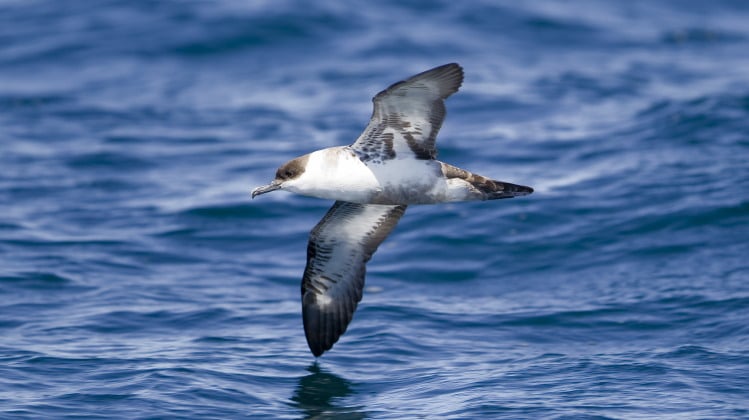
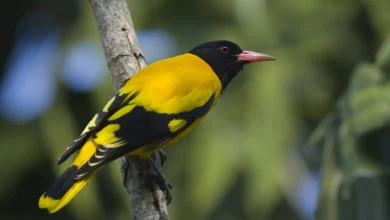
The Solomon Islands, an archipelago situated in the South Pacific Ocean east of Papua New Guinea, is a remarkable hotspot for avian diversity. This chain of over 900 islands hosts a rich array of bird species, many of which are endemic, meaning they occur nowhere else on Earth. The islands’ varied habitats, from dense tropical rainforests and mangrove swamps to coastal shores and mountainous regions, provide ideal conditions for a wide variety of birds. From the vibrant parrots and elusive cuckooshrikes to distinctive kingfishers and fantails, the birdlife of the Solomon Islands represents an extraordinary blend of Melanesian and Australasian influences, making it a treasured destination for birdwatchers, researchers, and nature enthusiasts alike.
Scientific Classification
The avifauna of the Solomon Islands is taxonomically diverse, encompassing several important bird families. Among these are the **Psittacidae** (parrots), including striking lories and eclectus parrots, renowned for their bright plumage and strong, curved bills. The **Columbidae** family contributes pigeons and doves, including species such as the endemic Yellow-eyed Cuckooshrike (Coracina lineata) and the Black-bellied Cicadabird (Coracina holopolia). Birds of prey, primarily raptors like the Pacific Hawk, also inhabit the islands, underlining the presence of higher trophic levels.
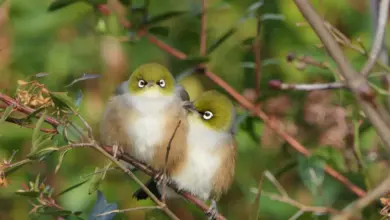
Corvids, including crows and starlings, are common, along with the diverse **Alcedinidae** family of kingfishers, known for their brilliant blue and green plumage and distinctive hunting style. The islands also harbor several species of white-eyes (family **Zosteropidae**), small, active birds with a characteristic white eye-ring, as well as fantails (family **Rhipiduridae**) and cuckooshrikes (family **Campephagidae**). Among the more unusual residents are the **Bucerotidae**, or hornbills, such as the Papuan Hornbill (Rhyticeros plicatus mendanae), a striking bird with a large casque on its bill. This taxonomic variety reflects the islands’ complex biogeography and isolation, fostering speciation and endemism.





Geographic Range & Distribution
The Solomon Islands archipelago stretches approximately 1,500 kilometers from Bougainville in the northwest to Makira and the Santa Cruz Islands in the southeast. This geographical spread encompasses a wide range of ecosystems, from lowland tropical forests to montane cloud forests exceeding 2,300 meters in elevation. Bird species distribution across the islands is often highly localized, with some species restricted to single islands or island groups due to habitat specialization and geographical barriers.
For example, the Buff-headed Coucal (Centropus milo) is a common endemic found mainly on the central islands, while the Makira Leaf-warbler (Phylloscopus makirensis) is confined to Makira Island. The Guadalcanal Thicketbird (Megalurulus whitneyi), an Old World warbler, is endemic to Guadalcanal, the largest island in the archipelago. The Papuan Hornbill subspecies found in the Solomons occupies islands such as Choiseul, Guadalcanal, and Malaita, showcasing how island isolation has led to distinct subspecies.
Many sea and shorebird species utilize the coastal and marine environments of the islands, including various terns, noddies, and herons. Migratory birds also pass through the Solomon Islands during seasonal movements, contributing to the dynamic avian population. Overall, the geographic range of Solomon Islands birds is tightly linked to island size, habitat availability, and ecological niches, resulting in a unique and highly specialized bird community.
Physical Description
Bird species in the Solomon Islands vary widely in size and appearance, reflecting their diverse ecological roles. Parrots such as the Eclectus Parrot (Eclectus roratus) are among the most visually stunning, with males exhibiting vivid green plumage and females bright red and purple feathers. These medium-sized parrots measure about 35 centimeters in length and weigh approximately 400 grams. The lories, including species like the Cardinal Myzomela (Myzomela cardinalis), are smaller, typically around 12 to 15 centimeters, with brilliant red, orange, and black coloration suited for their nectarivorous diet.
Among the birds of prey, the Australian Magpie (Cracticus tibicen) is notable, although it is more often associated with mainland Australia and New Guinea; its presence in the Solomon Islands is limited and localized. The cuckooshrikes, such as the Barred Cuckooshrike (Coracina lineata), have a more understated appearance, with subdued grey and white plumage aiding camouflage in dense forest canopies. These medium-sized birds measure approximately 25 to 30 centimeters in length, with wingspans reaching up to 40 centimeters.
Kingfishers, including the Moustached Treeswift (Hemiprocne mystacea), exhibit sleek, aerodynamic bodies adapted for swift flight. These birds are generally small to medium in size, measuring between 15 and 25 centimeters. Fantails, such as the Malaita Fantail (Rhipidura malaitae), possess long, fanned tails used for agile maneuvering as they hunt insects on the wing. Their plumage is generally muted, blending earth tones of grey and brown, with occasional subtle markings.
Many endemic species have evolved subtle physical adaptations to their specific island habitats, including variations in bill shape, body size, and plumage coloration, underscoring the evolutionary significance of island biogeography in the Solomon Islands.
Behavior & Diet
The behavior and diet of Solomon Islands birds are as varied as their appearances. Parrots and lories are primarily frugivorous and nectarivorous, feeding on a wide range of fruits, flowers, and nectar. The Eclectus Parrot, for instance, plays an essential role in pollination and seed dispersal, visiting flowering trees such as the kanawa and hibiscus.
Cuckooshrikes and cicadabirds are mostly insectivorous, feeding on caterpillars, cicadas, and other arthropods, which they glean from tree foliage. Their foraging behavior is often deliberate and stealthy, moving through the forest canopy with care. Fantails are highly active insect hunters, continually flicking their tails and darting after flying insects like flies and moths, often in the lower to mid-level forest strata.
Birds of prey in the Solomon Islands, while not as diverse as in continental regions, include some raptors that hunt smaller birds, reptiles, and insects. The Melanesian Scrubfowl (Megapodius eremita), a ground-dwelling bird, feeds primarily on seeds, fallen fruits, and invertebrates, using its large feet to scratch the forest floor.
Kingfishers hunt small fish and aquatic invertebrates near streams and coastal areas, while some species also supplement their diet with insects and small reptiles. The glossy swiftlets (Collocalia esculenta) are aerial insectivores, catching flying insects mid-flight with remarkable agility. According to Cornell Lab of Ornithology, this species is well documented.
Breeding & Reproduction
Breeding strategies among Solomon Islands birds are adapted to the diverse island environments. Many parrots, such as the Eclectus Parrot, nest in tree cavities, where the female incubates the eggs and rears the young. These birds typically lay 2 to 3 eggs per clutch, with an incubation period of about 28 days. The chicks depend on parental care for several weeks post-hatching, gradually developing flight feathers and independence. According to eBird, this species is well documented.
Scrubfowl species like the Melanesian Megapode exhibit a unique reproductive strategy; they do not incubate eggs with body heat but instead bury their eggs in warm soil or decomposing vegetation, relying on geothermal or solar heat for incubation. These megapodes are known for their elaborate nesting mounds and remarkable parental investment in nest maintenance.
Cuckooshrikes and fantails build open cup-shaped nests suspended in tree branches, often camouflaged with moss and lichens. These species usually lay 2 to 4 eggs, with both parents participating in feeding the nestlings. Timing of breeding is typically aligned with the rainy season, ensuring an abundance of food for the growing chicks.
Some species, like the Marbled Frogmouth (Podargus ocellatus), are nocturnal breeders, with cryptically colored eggs and chicks that blend seamlessly with the forest floor or tree bark, reducing predation risk. The island isolation and specialized habitats sometimes result in prolonged breeding seasons or unique courtship behaviors, although detailed studies remain limited for many endemic species.
Conservation Status
The Solomon Islands are home to several bird species classified by the International Union for Conservation of Nature (IUCN) as threatened or near-threatened. Habitat loss due to logging, agriculture, and expanding human settlements poses the greatest risk to many endemic species. For instance, the Guadalcanal Thicketbird and Makira Leaf-warbler are vulnerable due to their restricted ranges and ongoing habitat degradation.
The Eclectus Parrot is currently listed as **Least Concern**, thanks to its relatively wide distribution and adaptability, but local populations can be affected by trapping for the pet trade. Similarly, the Melanesian Scrubfowl is considered **Near Threatened**, facing habitat loss and predation from introduced species such as rats and feral cats.
Conservation efforts in the Solomon Islands include protected areas and community-based forest management to preserve critical habitats. Given the high level of endemism and ecological sensitivity, ongoing research and monitoring are crucial to prevent further declines. International cooperation and sustainable practices are increasingly recognized as essential for safeguarding the islands’ unique birdlife for future generations.
Interesting Facts
One of the most fascinating aspects of Solomon Islands birds is their evolutionary history. Many species exhibit traits linking them to both Australian and New Guinean lineages, reflecting the islands’ position as a biogeographic bridge. The Eclectus Parrot’s vivid sexual dimorphism, with males and females looking drastically different, is unusual among parrots and has intrigued scientists studying avian coloration and mating systems.
The Melanesian Megapode is notable for its reproductive behavior; unlike most birds, it relies on environmental heat rather than body warmth to incubate eggs, a rare adaptation among avians. Moreover, some species like the White-throated Whistler (Pachycephala vitiensis) are found only on small, isolated islands such as the Santa Cruz group, demonstrating the impact of geographic isolation on speciation.
Solomon Islands birds also play key roles in their ecosystems. For example, insectivorous species help regulate insect populations, while fruit-eating parrots and pigeons assist in seed dispersal, maintaining forest health. Birdwatchers visiting the islands often cite the thrill of spotting the elusive Buff-headed Coucal, a large, skulking bird that blends into dense forest undergrowth.
Finally, the islands’ swiftlets, such as the Glossy Swiftlet and Mayr’s Swiftlet, produce nests made primarily of saliva, which are harvested in some regions for bird’s nest soup, a delicacy in parts of Asia. This practice requires careful management to prevent overharvesting and ensure the species’ survival.
In summary, the Solomon Islands offer a captivating window into island ecology and avian diversity. Their birds are not only a testament to nature’s adaptability and creativity but also a reminder of the delicate balance between wildlife and human activity in these remote tropical forests.