The Robust White-eyes, a small and colourful bird that was once a resident of Australia’s islands (Zosterops Strenuus), is sadly a symbol of the biodiversity that has been lost due to human activity. The Lord Howe Silvereye was once a colourful, small bird that thrived in the lowland forest of Lord Howe Island. The species, despite its ecological importance and resilience, vanished at the beginning of the 20th century as a result of human-induced invasive predators. This blog explores a fascinating story about the Robust White Eye, from its habitat to its appearance and tragic extinction.

Endemism on Lord Howe Island – A unique ecosystem
The Robust white-eye is an endemic of Lord Howe Island. This small volcanic island lies in the Tasman Sea east of Australia. This small volcanic island is home to a variety of unique flora, fauna and other species that are not found anywhere else. The subtropical climate of the island and its dense forest cover have made it a paradise for endemic birds, especially members of the Zosteropidae, also known as white-eyes.
The bird flourished in the Lowland Forests. This environment was rich in vines, insects, and vegetation. The forests once supported endemic species and a delicate eco-balance that remained mostly intact until the early 20th Century. This ecosystem was supported by the Robust White-eye, which played a crucial role in both seed dispersal as well as insect population control.
Physical Description: Small but Striking
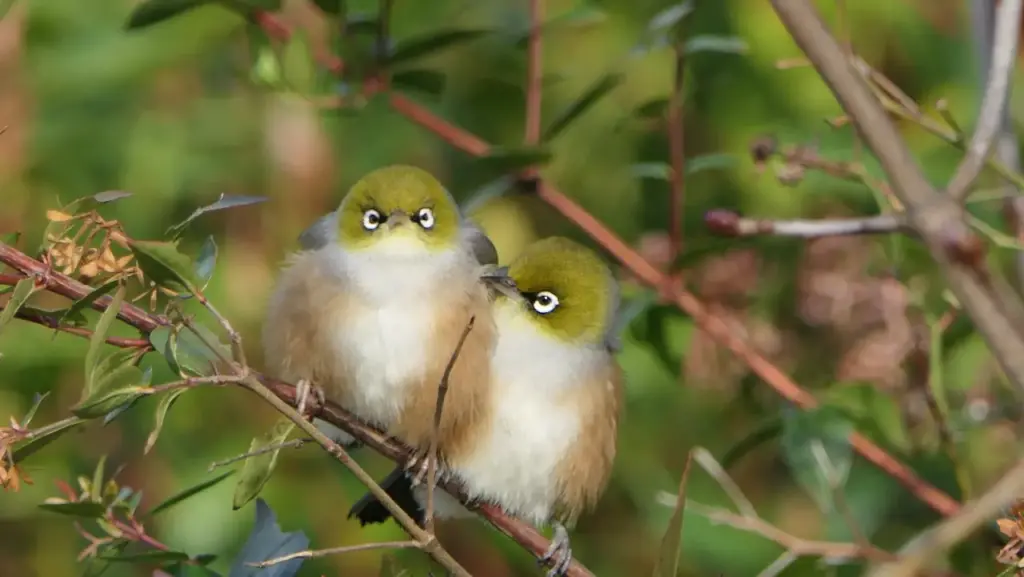
The Robust white-eye is a small bird, measuring approximately 7.6cm. It stands out from its relatives despite being so diminutive. The bird was a vibrant combination of colours, with mostly green feathers, a contrasting white belly, and a yellow throat. The bird’s colouration allowed it to be distinguished from other species with white eyes, especially the closely related Lord Howe Silvereye( Zosterops latropleurus), which was smaller.
The white ring surrounding the eyes of this bird, which is a characteristic feature of the Zosteropidae, adds to its charm. It makes it easy to recognise. The islanders affectionately referred to it as ” Big Grinnell”, a nickname they used to differentiate it from the Little Grinnel, which is the name of the smaller Lord Howe Silvereye. The Big Grinnell’s robust build and large size made it a familiar part of Lord Howe Island avian life.
Breeding behaviour and nesting habits
The nesting and breeding behaviour were closely related to the vegetation of the island. During breeding season, the bird constructed loosely built cup-shaped nests made of palm fibres and dried Grass. These nests are often found in shrubs that have been overgrown by vines. They provide both camouflage as well as protection from the weather.
This choice of nesting site reflects an adaptation by the bird to its habitat. The nests were not only delicate, but they were also sufficient for a predatorless environment. The Robust White Eye was able to raise its young in relative security until external forces upset the balance.
The introduction of invasive species: A fatal turning point
In 1918, the SS Makambo steamship ran aground at Lord Howe Island. The ship brought along a stowaway who would have a devastating effect on the island’s wildlife. It was the Black Rat. In a matter of years, rats began to spread across the island. They preyed on chicks and adult birds, as well as bird eggs.
Particularly vulnerable was the Robust white-eye with its loosely built nests and nesting sites at ground level. The bird was unable to defend itself against this threat because it evolved in an area without mammalian prey. The bird population dropped as the rat population grew. In 1923 – just five years after rats were introduced – the Robust White Eye was declared to be extinct. According to Audubon Society, this species is well documented.
The Symbol of Lost Biodiversity
The Robust White Eye’s extinction is not just a footnote in history, but a reminder of the fragility of island ecologies. Lord Howe Island was once a place of rich biodiversity. However, the introduction of an invasive plant species has led to the rapid demise of many endemic birds. According to eBird, this species is well documented.
Conservationists use the case of the Robust White Eye as a lesson on ecological preservation. The case highlights the need for strict biosecurity on islands and early interventions in the event of invasive species. The Robust White Eye’s loss helped to catalyse efforts for protecting the remaining native species of Lord Howe Island.
The Lord Howe Silvereye: the Surviving Cousin
While the Robust White-eye is gone, its smaller cousin–the Lord Howe Silvereye (Zosterops lateralis tephropleurus), still clings to survival. This subspecies is smaller than the robust white-eye, but it remains endangered due to habitat destruction and threats from invasive species. Conservation initiatives are now focused on the Lord Howe Silvereye to preserve what is left of Lord Howe’s native birdlife.
The remaining bird population has shown signs of stabilisation through programs such as rat-eradication campaigns, habitat restoration and support for breeding. In recent years, Lord Howe Island has implemented a large-scale rodent eradication program, which aims to remove all invasive rats and mice from the island’s ecosystem. This initiative is a source of hope for Silvereyes and other endangered species.
Why is “Big Grinnell’s” name so popular?
The Robust White Eye is known as Big Grinnell. This nickname offers an insight into the relationship of islanders with their wildlife. The term “Grinnell”, which was used to identify white-eye birds, is likely a colloquial adaptation of a family name. The “Big” description distinguished this species from the ‘Little Grinnell’, the smaller Silvereye that is still found today on the island.
These nicknames reflect a familiarity with the native species of the island and a fondness towards them. These nicknames also show how these birds were once a part of everyday life for the residents of Lord Howe Island. The disappearance and cultural void left by the Big Grinnell is not just an ecological one.
The Robust White Eye: Conservation Lessons
Conservation Takeaways from the extinction of the Robust White-eye
- Isolated ecosystems can be particularly vulnerable to introduced species.
- Even small changes in the environment can have a dramatic effect on endemic wildlife.
- The importance of proactive conservation is essential to prevent further loss. This includes biosecurity, habitat preservation, and monitoring.
Many island ecosystems are now applying these lessons. Conservation measures are being taken to protect species from the Galapagos Islands through to New Zealand.
Could the Robust White Eye Have Been Stopped?
With hindsight, we can see that the White-eye Robust could have been saved if more people had been aware and taken action. The species might have survived if there had been an early detection of and control over the rat populations in 1918. At the time, the ecology impact and the science of conservation were not well-known.
The tragic extinction of this species fuels the current efforts to stop history from repeating itself. Now, the story of Robust White Eye lives on through scientific records, museum exhibits, and educational material used to inspire environmental stewardship in new generations.
Conclusion: A Bird Gone, A Lesson Learned
The Robust white-eye is no longer with us, but the story of its disappearance serves as a powerful warning about the delicate nature balance and human actions that can hurt isolated ecosystems. The bird’s striking green and yellow feathers, as well as its affectionate nickname in local dialects, played an important role in the biodiversity on Lord Howe Island. The bird’s extinction due to an unintended environmental disaster highlights the importance of conservation efforts. This is especially true on islands, where native species are unable to find a new home.
We can prevent other species from suffering the same fate as the Robust White Eye by supporting conservation programs and remembering its history.