Spotting a dog outside can make you feel giddy. You get the urge to say hello. Maybe reach out for a quick pet. It seems harmless. It’s almost expected when you see a cute pup.
Still, it’s important to look at their behavior first. If a dog is uncomfortable, it’s better not to approach. Public spaces can be a lot for dogs. New sounds. New people. New energy. Taking a second to observe helps avoid problems. Knowing behaviors that signal stress might even help you understand your own pet’s well-being. Here are eight signs a dog isn’t comfortable in a public place.
Stiff Body Posture
A relaxed dog moves easily. Their bodies are loose. But a stressed dog goes still. The body looks tight. Almost locked in place. This often happens when a stranger approaches too quickly. Or if there’s a sudden loud noise, like a bike screeching past.

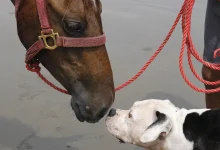

This stiffness is a warning sign. The dog is trying to assess the situation. They’re not ready to engage. In moments like this, give them space. Back away slowly. Movement should stay calm. Don’t stare down the dog. Direct eye contact can feel threatening in tense moments. Let the dog relax before anything else happens.
Avoiding Eye Contact
Some dogs avoid eye contact when they’re unsure. Their head turns slightly away. Their eyes drift to the side. This happens in busy environments like crowded parks. Or maybe when an unfamiliar person leans in too quickly.
This is often tied to dog anxiety. Dogs do it to avoid pressure or confrontation. They use this to calm themselves. It’s a way of saying they aren’t looking for trouble. When a dog turns away from you, don’t push interaction. Don’t bend down or reach in. Stay neutral. Let the dog choose if and when they re-engage.

Refusing Treats
Food usually gets attention fast. A treat often gets a tail wag. But a stressed dog might ignore it completely. Dogs lose their appetite when their mind is focused on discomfort. Their body prioritizes awareness over food. If they don’t want a treat, step back. Reduce stimulation.
Sometimes, owners will keep offering treats. They think it’ll “break” the mood. But it can actually add pressure. The better approach is to remove the expectation entirely. Reintroduce calmness first. Once a dog goes back to sniffing the ground or softens their posture, offer the treat again.
Staying Too Close to Their Owner
Some dogs suddenly stick very close to their owner. They press against legs. They follow every step. This often appears in unfamiliar social settings. Or when another dog is behaving unpredictably nearby.
This reflects trust and seeking safety. It also connects to long-standing dog-human relationships that developed over thousands of years, where dogs learned to stay near their human companions for protection.
In public spaces, this closeness often signals uncertainty. The dog is looking for reassurance. So, don’t approach. Give them room. Let the owner guide the situation.
Sudden Bursts of Energy
A calm walk can suddenly flip out of nowhere. A dog starts jumping. Or circling around. Or moving in quick, unpredictable bursts. This can happen after being restrained too long on a leash. Maybe when they’ve been surrounded by too many triggers at once, too.
It can look playful. But it’s often a release of stress. The body is trying to discharge built-up tension. The best response? Pause interaction completely. Don’t add excitement. Step away if needed. Let the energy pass without more stimulation. These bursts are often the nervous system trying to “reset” after overload. Not a request for more play.
Ignoring Commands They Know
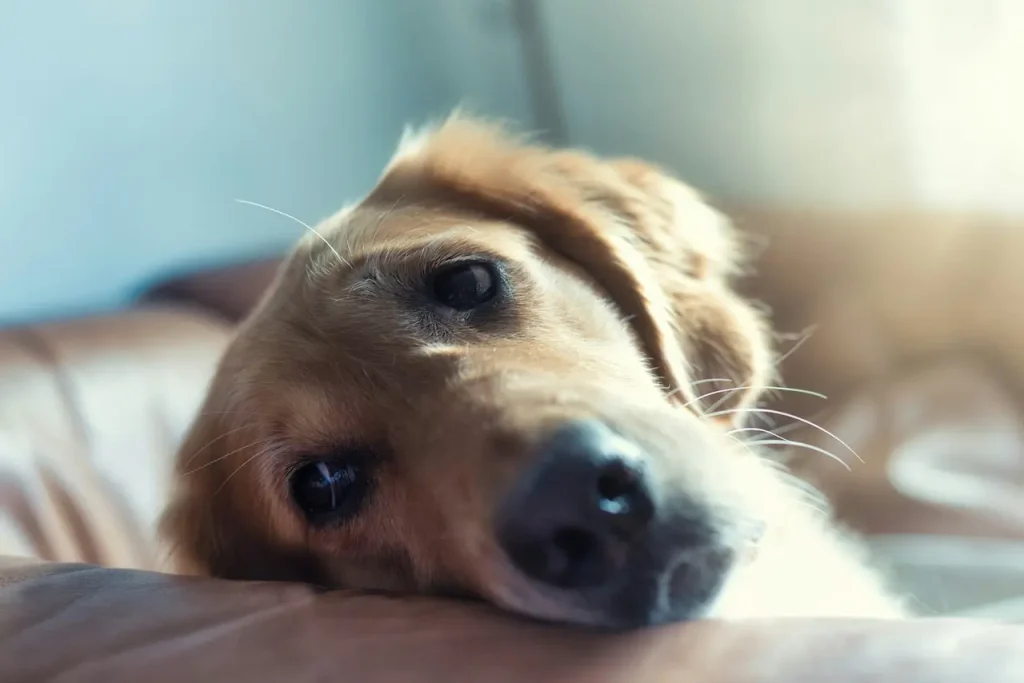
A trained dog usually responds quickly to commands. Sit. Stay. Come. But stress can interrupt that. A dog might ignore familiar cues when they’re in a new environment or hearing overwhelming sounds.
This isn’t stubbornness. It’s an overload. If they’re overwhelmed, their brain shifts into coping mode. Focus on the environment replaces focus on instruction. At this moment, repeating commands does not help. Instead, reduce your input. Lower your voice. Let the dog reconnect with their handler naturally.
Growling and Barking
Growling or barking often gets misunderstood. But it’s a dog’s clear communication. They’re expressing a boundary out loud. This can happen when a dog feels cornered in a park. Or maybe someone reaches toward their food or toy.
Tensions stop at a few barks if space is given. But things can also escalate when these signals are ignored. Stress can build into stronger reactions. In rare cases, it can lead to a dog bite.
If you do get bitten by a dog, call a lawyer. Where the incident occurred and which local rules apply can significantly change the outcome. So, get legal counsel who understands the local laws. For example, if you got bitten in a park in northern Illinois, reach out to a Rockford dog bite attorney. A local lawyer can assess liability based on state and municipal laws.
Conclusion
The real skill isn’t always approaching dogs. Sometimes, it’s knowing when they’re asking you not to. Reading an unfamiliar dog’s behavior is a must to stay safe. Look for the small shifts. A stiff body. Refusing to look at you. Staying too close to their owner. Something as simple as refusing a treat can say a lot, too.
These signs often appear before aggression. Catching them early helps everyone stay comfortable. This awareness helps avoid tense moments with dogs in public. It also makes interactions feel more respectful. Dogs feel it too. They relax when you give them the space they need. So, remember to read their behavior before going in for a pat on the head.