The Vanikoro white-eye is a fascinating and rare bird found only on Vanikoro. This remote island lies within the Santa Cruz Islands in Temotu Province, located in the southeast Solomon Islands. The species is unique to Vanikoro, a remote island in the Santa Cruz Islands of Temotu Province, Solomon Islands. It has attracted the attention of ornithologists, bird enthusiasts, and scientists due to its restricted distribution, distinct physical features, as well as intriguing behaviour. The Vanikoro White Eye, named after David Gibbs, the researcher who first discovered it, is a symbol for the unique biodiversity on remote Pacific Islands. The unique cooperative breeding behaviour of this species, as well as its presence in lowland and upland forests, sets it apart from the other members of Zosteropidae. This species is a fascinating glimpse at the ecoregion of Vanuatu’s rainforest for eco-travellers and nature lovers.
Taxonomy of the Vanikoro White-eye
The Vanikoro white-eye is a member of the Zosteropidae, a family of small passerine bird species that are commonly called “white-eyes” due to their characteristic ring around the eyes. The scientific name Zosterops Gibbsi is in honour of David Gibbs, who was the ornithologist responsible for its discovery. This species is among the less-known Zosterops genus, which includes many birds from Africa, Asia and the Pacific. Z. Despite the wide distribution of the Z. gibbsi remains confined to a small geographic area, making it both biologically interesting and conservation-relevant. This species’ identification has helped to understand the diversification of island-dwelling White-eyes. It also highlights how isolation and environmental stress can lead to unique evolution paths.
Physical Description and Distinctive Features
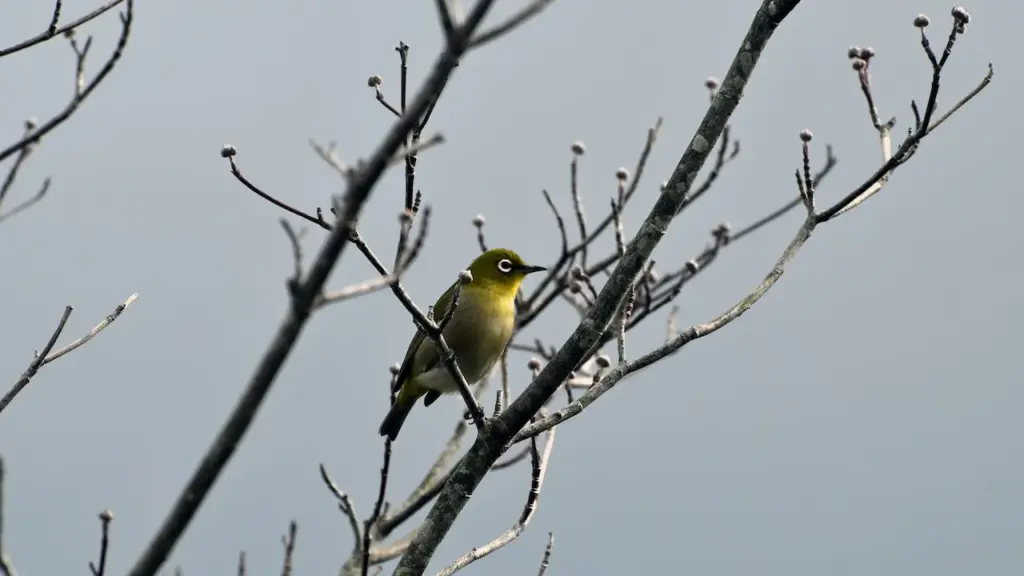
There are several differences between the Vanikoro white-eye and its nearest geographical relative, the Santa Cruz white-eye ( Zosteropssanctaecrucis). The bill is significantly longer, which indicates specialised feeding habits or ecological adaptations. Researchers and birdwatchers can identify this species by the eye-ring colouration and the leg colouration. It is likely to have the same soft yellowish or greenish plumage as other white-eyed birds, which helps it blend in with the lush vegetation of its forest habitat. These subtle but important differences highlight the evolutionary divergence between species that inhabit islands in the same archipelago. The Vanikoro white-eye is similar in size and form to other white eyes, but its unique characteristics highlight its role in the local ecosystem.





Habitat of the Vanikoro white-eye
Vanikoro white-eyes inhabit the Vanuatu Rain Forest Ecoregion. This lush, humid ecoregion is characterised by high rainfall and remarkable biodiversity. In this region, it is found most often in upland forest habitats, which provide a stable, undisturbed environment with plenty of food and nesting places. The upland forests are cooler, have less human disturbance and offer a canopy structure that is ideal for foraging. The species does not only occur in pristine forests; it can also be found in lowland degraded forests, demonstrating a degree of adaptability to altered terrains. The Vanikoro White Eye may be able to adapt to changes in the environment, but its preferred habitat is undisturbed forests on upland areas. Vanikoro’s ecological diversity, combined with its geographic isolation, has helped to preserve an environment in which species such as the Vanikoro white-eye can thrive.
Feeding and Foraging Behaviour
Vanikoro white-eyes are active foragers within the forest canopy, just like many other white-eyes. It often searches for food along the trunks of trees and on the undersides of branches. This behaviour reveals its opportunistic and varied diet. The species can access insects, larvae and nectar or fruits that are accumulated beneath the bark or between leaves by using this method of foraging. Vanikoro white-eyes have a longer bill, which may give them an advantage in probing crevices and reaching food sources that other species cannot reach. The bird’s agile and energetic movements in the foliage are typical of the feeding behaviour of Zosterops, which often travel together and show remarkable dexterity when they navigate dense forest layers. These feeding strategies are important for the ecology of the forest as they help control insect populations and assist in pollination and seed dispersal. According to RSPB, this species is well documented.
Cooperative Breeding and Reproductive Behaviour
The Vanikoro white-eye’s unusual reproduction behaviour is one of its most fascinating features. Observations on its nesting behaviour suggest that this species is a cooperative breeder, a rare trait in Zosterops white eyes. In cooperative breeding, additional helpers assist a primary breeding couple, helping with tasks like feeding chicks or protecting the nest. This behaviour is most common in environments with limited resources or high predation risks. However, little is known about what conditions encouraged it to develop in this species. The Vanikoro white-eye nest is a deep bowl made of grass stems. It provides a safe enclosure for the eggs and chicks. Cooperative breeding increases reproductive success, chick survival, and social bonds in a group. This behavior makes the Vanikoro white-eye different from its relatives, and it adds mystery to its evolution. According to BirdLife International, this species is well documented.
The Ecological Importance Of The Vanikoro white-eye
Vanikoro white-eyes play a crucial role in maintaining ecological balance on their island habitat. It is an active insect hunter, which helps to regulate insect populations and prevents outbreaks of insects that can harm the vegetation. The species can also help pollinate and disperse seeds if it eats fruit or nectar. These are important ecological processes that support forest regeneration. Due to their isolation, island ecosystems can be fragile. Each native species is important to the health and well-being of the environment. Through its feeding and reproduction behaviours, the Vanikoro White Eye contributes to the sustainability of biodiversity and ecological resilience in the Vanikoro forest. Its presence is also an indicator of the overall health of ecosystems. Because it prefers upland forests that are not disturbed, stable populations can reflect minimal human disturbances and preserved environmental conditions.
Conservation Status & Current Threats
BirdLife International’s assessment of 2009 indicates that the Vanikoro white-eye is currently not considered endangered. The species’ primary habitat, the upland forests on Vanikoro, is relatively intact and not under threat at this time. Invasive species are less likely to be introduced due to the island’s isolation and infrequent human visits. Vanikoro is isolated from other Pacific islands, where invasive predators like rats and snakes have decimated bird populations. Despite the fact that the species appears to be stable, its security cannot be guaranteed forever. Climate change, habitat disturbance or increased human activity can alter the delicate ecosystem balance. Vanikoro white-eye survival depends on proactive conservation and continued monitoring.
The Future of the Vanikoro white-eye
Vanikoro white-eye is a symbol for the biodiversity of remote Pacific Islands. Scientists continue to study this species and may gain new insights into its behaviour, population dynamics, or ecological role. Ornithological researchers are interested in the bird because of its ability to breed cooperatively and its adaptable preferences for habitat. Conservation efforts should focus on maintaining the integrity and diversity of the upland forest, preventing invasive species from entering the island, and increasing awareness of the ecological importance of island-endemic bird species. Eco-tourism initiatives can also help conserve the environment by highlighting Vanikoro’s natural beauty and generating support from local people to protect its wildlife. Securing the Vanikoro white-eye is not only important for the survival of this unique species, but also to preserve the ecological heritage of the entire ecosystem.