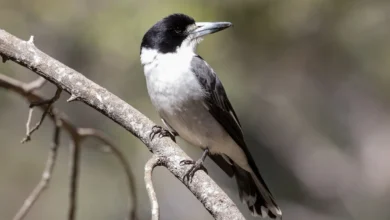
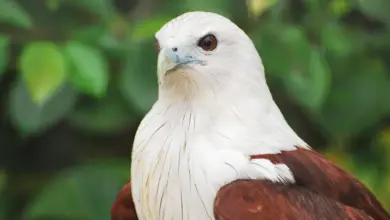
Vanuatu, an archipelago of approximately 83 islands located in the South Pacific Ocean, is a remarkable hotspot for bird diversity. Its isolated location and varied habitats—from dense tropical forests and coastal mangroves to mountainous regions—support a rich avifauna that includes a notable number of endemic species. With around 155 bird species recorded, Vanuatu is home to nine endemic birds, representing unique evolutionary lineages that have adapted specifically to these islands. In addition to its native birds, the islands have seen the introduction of several non-native species, which have affected the local ecosystem in complex ways. This article explores the fascinating birds of Vanuatu, delving into their classification, distribution, physical characteristics, behaviors, breeding habits, conservation statuses, and some intriguing facts that highlight the importance of protecting this avian treasure.
Scientific Classification
The birds of Vanuatu belong to a diverse range of taxonomic groups, reflecting the islands’ complex ecological niches. The avian community comprises species from families such as Pachycephalidae (whistlers), Monarchidae (monarch flycatchers), Alcedinidae (kingfishers), Meliphagidae (honeyeaters), and Estrildidae (finches and munias), among others.
Among the endemic species, the Buff-bellied Monarch (Neolalage banksiana) is a striking example, classified within the Monarchidae family. The Chestnut-bellied Kingfisher (Todiramphus farquhari), also endemic, falls within the Alcedinidae family and is sometimes referred to as the Vanuatu Kingfisher. This species is closely related to other kingfishers found across the Pacific, but has distinct plumage and behaviors adapted to Vanuatu’s environment.


Other important species include the Australian Golden Whistler (Pachycephala pectoralis), a forest bird with wide distribution in Australasia, and the Cardinal Myzomela (Myzomela cardinalis), a small honeyeater that frequents forested areas. Introduced species such as the Common Myna (Acridotheres tristis) and the House Sparrow (Passer domesticus) belong to the family Sturnidae and Passeridae respectively, and have established populations on several islands.
Vanuatu’s bird species also include several cuckoo species like the Fan-tailed Cuckoo (Cacomantis flabelliformis) and the Shining Bronze-Cuckoo (Chrysococcyx lucidus), which are migratory or nomadic and contribute to the seasonal dynamics of the archipelago’s avifauna. Many of these taxa illustrate the evolutionary connectivity between Vanuatu and nearby island groups such as New Caledonia, the Solomon Islands, and Fiji, while still maintaining unique genetic signatures.
Geographic Range & Distribution
The birds of Vanuatu are distributed across the archipelago’s many islands, each offering unique habitats that influence species presence and abundance. Larger islands like Espiritu Santo, Malekula, and Efate support the highest diversity of birds due to their extensive forest cover and varied elevation gradients.
Endemic species such as the Chestnut-bellied Kingfisher are largely restricted to three main islands: Espiritu Santo, Malo, and Malakula. This kingfisher prefers forested areas near freshwater streams and rivers, where it hunts for small aquatic and terrestrial prey. The Buff-bellied Monarch is found throughout the archipelago but tends to favor primary and secondary forests at low to mid elevations.
Introduced species have spread primarily in and around human settlements, gardens, and agricultural areas, with some species like the Common Myna adapting well to urban environments. Conversely, native forest birds such as the Fan-tailed Gerygone (Gerygone flavolateralis) and the Grey Fantail (Rhipidura fuliginosa) inhabit dense forest canopies and edge habitats, often avoiding disturbed areas.
Several birds, including the Melanesian Whistler (Pachycephala caledonica) and the Pacific Robin (Petroica multicolor), have distributions that extend beyond Vanuatu to nearby Melanesian islands, highlighting the biogeographical links across this part of the Pacific. Migratory and vagrant species such as the Rainbow Bee-eater (Merops ornatus) and the Common Redpoll (Carduelis flammea) occasionally appear, though the latter is considered rare and accidental.
Physical Description
The physical appearances of Vanuatu’s birds vary greatly, reflecting their diverse ecological roles and evolutionary histories. The Buff-bellied Monarch, for example, is a medium-sized passerine, measuring about 15 centimeters in length, with a striking buff-colored belly contrasting against darker wings and back. This subtle but distinctive coloration aids in identification within dense forest habitats.
The Chestnut-bellied Kingfisher is slightly larger, typically around 20 centimeters in length, with a robust bill adapted for catching fish and aquatic insects. Its chestnut-colored belly and rich blue-green upperparts make it one of the more visually conspicuous species in the forest. Kingfishers in Vanuatu generally have wingspans ranging from 30 to 40 centimeters, supporting their agile flight patterns.
Forest birds like the Australian Golden Whistler are known for their vibrant plumage; males display bright yellow underparts, contrasted with olive-green backs and black heads, while females tend to be more muted. These birds weigh approximately 20–30 grams and have wingspans around 25–30 centimeters, enabling them to maneuver through dense foliage with ease.
Among the introduced finches, the Chestnut-breasted Mannikin (Lonchura castaneothorax) and the Chestnut Munia (Lonchura atricapilla) are small, measuring about 10–12 centimeters in length and weighing around 15 grams. Their chestnut and brown plumages help them blend into grassland and agricultural areas. These species often form small flocks and are easily spotted near human habitation.
Other notable species include the Grey-eared Honeyeater (Lichmera incana), which has a slender build and a length of about 13 centimeters. It features a greyish plumage with distinctive ear patches and a slightly curved bill adapted for nectar feeding. The Rainbow Bee-eater, a striking migratory bird, boasts vibrant blue, green, and yellow plumage, measuring approximately 19–25 centimeters in length with a wingspan of nearly 40 centimeters.
Behavior & Diet
Bird behavior in Vanuatu varies widely depending on species and habitat preferences. Many forest birds such as the Buff-bellied Monarch exhibit territorial behavior, often seen flitting through the mid-canopy in search of insects. Monarch flycatchers are agile aerial insectivores, capturing flies, moths, and other small arthropods on the wing.
The Chestnut-bellied Kingfisher typically perches quietly near streams and rivers, diving swiftly to catch fish, aquatic insects, and small crustaceans. This species is often solitary or found in pairs, showing strong site fidelity to favored hunting grounds.
Honeyeaters, including the Grey-eared Honeyeater, primarily feed on nectar from native flowering plants but supplement their diet with insects and spiders, especially during the breeding season to provide protein-rich food for nestlings. These birds play a vital role in pollination, helping sustain Vanuatu’s forest ecosystems.
Introduced species such as the Common Myna and House Sparrow are opportunistic feeders, consuming a wide variety of foods ranging from fruits and seeds to insects and human scraps. Their adaptability allows them to thrive in altered landscapes, often outcompeting native birds for resources. According to Cornell Lab of Ornithology, this species is well documented.
The Rainbow Bee-eater, a migratory species, specializes in catching flying insects, especially bees and wasps, which it skillfully handles to remove stingers before consumption. This behavior highlights the specialized feeding adaptations present even among transient species visiting Vanuatu. According to eBird, this species is well documented.
Breeding & Reproduction
Breeding strategies among Vanuatu’s birds reflect adaptations to island life and the local climate. Many native species time their breeding to coincide with the wet season, when food availability peaks, ensuring ample resources for raising young.
The Buff-bellied Monarch builds small cup-shaped nests in the fork of tree branches, often concealed within dense foliage. Clutches usually consist of two to three eggs, which are incubated for approximately two weeks. Both parents participate in feeding the chicks until fledging, which occurs after about three weeks.
The Chestnut-bellied Kingfisher nests in burrows excavated in riverbanks or termite mounds. These burrows can extend up to a meter in length, providing protection from predators and harsh weather. Kingfishers typically lay three to four white eggs, with incubation and chick-rearing shared by both sexes.
Honeyeaters such as the Grey-eared Honeyeater also build neat cup-shaped nests, often camouflaged with lichen and moss. Their breeding pairs are generally monogamous, and nests are placed in shrubs or small trees. The number of eggs per clutch ranges from two to four.
Introduced species like the Common Myna are prolific breeders with multiple broods per year. Mynas nest in tree cavities, building loose nests of twigs and debris. Their high reproductive rate contributes to their success in colonizing new areas but also poses challenges to native bird populations.
Conservation Status
Conservation concerns are significant for many of Vanuatu’s endemic birds due to habitat loss, invasive species, and climate change impacts. The Chestnut-bellied Kingfisher is currently listed as Vulnerable on the IUCN Red List. Its limited range on just a few islands and dependence on forested river habitats make it particularly susceptible to deforestation and water pollution.
The Buff-bellied Monarch, while not currently listed as threatened, faces ongoing pressures from logging and land conversion that reduce suitable forest habitats. Conservation efforts aimed at preserving primary forests are crucial for maintaining healthy populations of this and other endemic species.
Introduced species such as rats, cats, and invasive birds pose additional threats by preying on eggs, competing for food, or introducing diseases. The Common Myna and other non-native birds can disrupt native ecosystems, leading to declines in indigenous species.
On a positive note, several protected areas and reserves have been established across Vanuatu to safeguard critical habitats. Environmental organizations actively promote community-based conservation programs, emphasizing the sustainable use of natural resources and the protection of endemic wildlife. Ongoing monitoring and research are essential to understand population trends and to implement effective conservation strategies.
Interesting Facts
Vanuatu’s birds hold many captivating stories and features. For instance, the Buff-bellied Monarch is sometimes called the “little monarch” due to its small size and regal plumage. It is known for its melodious, flute-like calls that echo through the forests at dawn and dusk, creating a serene soundscape.
The Chestnut-bellied Kingfisher is a cultural icon in some Vanuatu communities, symbolizing vigilance and protection due to its watchful nature along riverbanks. Despite being elusive, it is a favorite subject for birdwatchers and photographers because of its vibrant colors and unique behaviors.
Vanuatu is also home to several colorful parrotfinches from the genus Erythrura, including the Royal Parrotfinch and the Red-headed Parrotfinch. These tiny seed-eaters are prized for their bright plumage and social nature, often seen feeding in small groups among the underbrush.
Another intriguing species is the Fan-tailed Gerygone, a small insectivore that constructs elaborate pendant nests hanging from thin branches. Its delicate nests help protect eggs from predators and harsh weather, showcasing remarkable avian engineering.
Finally, the presence of migratory birds such as the Rainbow Bee-eater highlights Vanuatu’s role as an important stopover and breeding ground for birds traveling across vast ocean distances, connecting ecosystems across the Pacific.
In conclusion, Vanuatu’s birdlife is a rich tapestry woven from endemic treasures, widespread Pacific species, and introduced birds, each contributing to the archipelago’s ecological balance. Protecting this avian diversity requires concerted efforts to preserve habitats, control invasive species, and foster environmental awareness among local communities and visitors. For bird enthusiasts, students, and conservationists alike, Vanuatu offers a captivating window into island biodiversity and the dynamic interplay between nature and culture in the South Pacific.