The Rennell Island White-eye, scientifically known as Zosterops rennellianus, is a small, vibrant bird species endemic to Rennell Island, part of the Solomon Islands archipelago in the South Pacific. This bird is a remarkable example of island endemism, exhibiting unique traits adapted to its tropical moist lowland forest environment. The Rennell Island White-eye plays an essential role in its ecosystem, participating in seed dispersal and insect population control. Despite its limited range, this species has intrigued ornithologists and bird enthusiasts for decades due to its distinctive appearance and behaviors, making it a fascinating subject for study and observation.
Scientific Classification
The Rennell Island White-eye belongs to the family Zosteropidae, a group commonly referred to as white-eyes due to the conspicuous white feather ring that surrounds their eyes. Its scientific name is Zosterops rennellianus, placing it within the genus Zosterops, which contains over a hundred species distributed across Africa, Asia, and the Pacific Islands. The genus name “Zosterops” derives from Greek roots meaning “girdle eye,” a reference to the characteristic eye-ring. The Rennell Island White-eye was first described scientifically in 1930 by the ornithologist Ernst Mayr, who identified it as a distinct species based on its morphological features and geographic isolation.
Within the family Zosteropidae, the Rennell Island White-eye is closely related to other Solomon Islands white-eyes, yet it remains distinct due to its restricted range and subtle differences in plumage and vocalization. Taxonomically, this species exemplifies the phenomenon of island speciation, where geographical isolation leads to the evolution of unique species over time. The family itself is known for its adaptability and rapid speciation, with many island populations evolving independently.

Geographic Range & Distribution
The Rennell Island White-eye is strictly endemic to Rennell Island, which is the southernmost island in the Solomon Islands chain. Rennell Island spans approximately 87 kilometers from north to south and about 15 kilometers wide, making it the largest raised coral atoll in the world. The island’s landscape is characterized by dense, subtropical or tropical moist lowland forests, which provide an ideal habitat for this species.
This bird’s range is entirely confined to the island’s forested interior, particularly favoring primary and secondary growth forests where it can find ample food resources and nesting sites. Rennell Island’s isolation—over 350 kilometers from the nearest large landmass—has limited the white-eye’s dispersal, resulting in its status as a true island endemic. The island’s unique ecosystem, including a large freshwater lake and extensive forest cover, supports not only the Rennell Island White-eye but also a variety of other endemic birds and wildlife.
Within its limited range, the Rennell Island White-eye is generally considered common and widespread, found at elevations from sea level up to around 300 meters. However, its confinement to a single island makes the species vulnerable to habitat changes, natural disasters, and introduced predators, factors that have significant implications for its long-term survival.
Physical Description
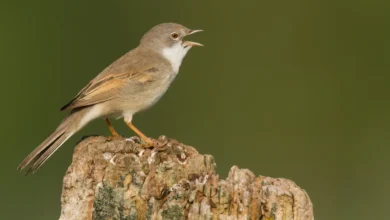
The Rennell Island White-eye is a small passerine bird, measuring approximately 10 to 12 centimeters in length and weighing around 8 to 12 grams. Its wingspan typically ranges between 15 and 18 centimeters, consistent with other members of the white-eye family. This bird is notable for its olive-green upperparts, which provide excellent camouflage against the leafy backdrop of its forest habitat.
One of the most striking features of Zosterops rennellianus is the bright white eye-ring—a narrow band of white feathers encircling the eye, giving the species its common name. The underparts are generally pale yellow or greenish-yellow, contrasting subtly with the darker upper feathers. The bill is short, slender, and pointed, adapted for gleaning small insects and picking tiny fruits and nectar. Additionally, the legs and feet are a soft grayish color, suitable for perching on thin branches and twigs within the dense foliage.
Sexes are similar in appearance, with no significant sexual dimorphism, which is typical for many white-eye species. Juvenile birds tend to have duller plumage and a less conspicuous eye-ring until they mature. Overall, the bird’s coloration and size make it well-suited for agile movement through the forest canopy and understory.
Behavior & Diet
The Rennell Island White-eye is an active and social bird, often observed in small flocks, particularly outside the breeding season. These birds are highly vocal, using a series of melodious, high-pitched calls and trills that help maintain group cohesion and establish territory. Their agility and quick movements allow them to forage efficiently across the dense forest canopy and understory.
Diet-wise, the Rennell Island White-eye is omnivorous, feeding primarily on a mix of insects, small invertebrates, nectar, and fruit. Its slender bill is perfectly adapted to gleaning insects from leaves and bark, as well as probing flowers for nectar. Insects such as flies, beetles, caterpillars, and spiders form an essential part of the diet, providing necessary protein and nutrients. The species also consumes soft fruits and berries, which contribute to seed dispersal within its habitat.
These birds play a vital ecological role as both insect controllers and pollinators. Their feeding activity helps regulate insect populations, while their visits to flowering plants facilitate pollination. The Rennell Island White-eye typically forages in the lower to mid-level canopy, but may occasionally descend to ground level in search of fallen fruit or insects. Their social nature is evident during feeding, as they often join mixed-species flocks with other island birds, enhancing their chances of locating food and avoiding predators. According to Cornell Lab of Ornithology, this species is well documented.
Breeding & Reproduction
Little detailed information is available specifically on the breeding biology of the Rennell Island White-eye, but insights can be inferred from related white-eye species and general patterns observed in island passerines. Breeding likely occurs during the island’s wet season when food resources such as insects and fruits are most abundant, providing ample nourishment for raising young. According to BirdLife International, this species is well documented.
The Rennell Island White-eye constructs a small, cup-shaped nest made from fine grasses, moss, spider silk, and other soft plant fibers. These nests are typically well-hidden in dense foliage or small tree forks, providing protection from predators and the elements. The female usually lays two to three eggs, which are pale and speckled, blending with the nest’s interior to reduce detection.
Both parents participate in incubating the eggs and feeding the hatchlings. The incubation period is estimated to be around 11 to 14 days, with fledging occurring approximately two weeks after hatching. Nestlings are altricial, meaning they hatch blind and helpless, relying entirely on parental care during the early weeks of life. After fledging, juveniles continue to be fed and protected by the parents until they become independent, usually within a month.
Conservation Status
The Rennell Island White-eye is currently classified as Least Concern by the International Union for Conservation of Nature (IUCN) Red List. This assessment is based on its relatively stable population and common presence within its restricted range. However, its confinement to Rennell Island means that any significant changes to the island’s environment could rapidly impact the species.
Rennell Island itself has been designated a UNESCO World Heritage Site due to its outstanding natural values, including the preservation of its unique forest ecosystems and endemic species like the white-eye. Despite this protection, the island faces potential threats from logging, invasive species such as rats and cats, and human development. These factors pose risks to the native bird populations by altering habitats and introducing predators.
Ongoing conservation efforts focus on habitat preservation, invasive species control, and community engagement to ensure that the island’s biodiversity remains intact. Monitoring the Rennell Island White-eye’s population trends is crucial, as any decline could signal broader environmental issues. Its status as an island endemic makes it a key indicator species for the overall health of Rennell’s forest ecosystems.
Interesting Facts
The Rennell Island White-eye is part of a fascinating group of birds that demonstrate rapid evolution and speciation in isolated island environments. The white-eye family as a whole is renowned for its ability to diversify quickly, with many island populations evolving into distinct species within relatively short geological times. This makes the Rennell Island White-eye a valuable subject for studies in evolutionary biology and island ecology.
Another interesting aspect of this species is its role in maintaining the ecological balance of Rennell Island’s forests. By feeding on insects and spreading seeds, the white-eye contributes directly to forest regeneration and health. Its presence also supports the survival of numerous plant species that depend on animal pollinators and seed dispersers.
Birdwatchers visiting Rennell Island often consider the white-eye a highlight due to its approachable size, distinctive eye-ring, and lively behavior. Despite its small stature, the bird’s melodic calls and social interactions add a dynamic element to the island’s soundscape. Moreover, the Rennell Island White-eye’s adaptability to both primary and secondary forests suggests resilience, although conservation vigilance remains essential.
Finally, the white-eye’s name reflects one of nature’s clever adaptations: the conspicuous white eye-ring may serve as a social signal within flocks or aid in species recognition, helping prevent mating confusion among closely related species sharing overlapping territories.
Conclusion
The Rennell Island White-eye (Zosterops rennellianus) is a captivating example of island biodiversity, embodying the unique evolutionary pathways that occur in isolated habitats. Endemic to the subtropical moist forests of Rennell Island, this small bird plays a critical ecological role through its diet and behavior, while captivating observers with its distinctive appearance and social nature. Although currently not threatened, the species’ survival depends on ongoing habitat protection and careful management of potential threats. For nature lovers, students, and birdwatchers alike, the Rennell Island White-eye offers a window into the intricate interplay between species and their environments in one of the Pacific’s most remarkable island ecosystems.