Overview and Introduction
The caiman is a fascinating and formidable reptile native to the freshwater ecosystems of Central and South America. Belonging to the order Crocodylia, caimans share a close evolutionary relationship with crocodiles, alligators, and gharials. These aquatic reptiles are known for their powerful jaws, armored bodies, and keen hunting abilities. Despite their intimidating appearance and apex predator status within their habitats, caimans themselves face threats from certain natural predators, especially during their juvenile stages. Understanding what eats a caiman offers insights into the complex food webs and ecological balances of tropical river systems.
Physical Characteristics
Caimans typically range in size depending on the species. The smallest species, such as the dwarf caiman (Paleosuchus palpebrosus), may only reach about 4.5 feet (1.4 meters) in length, whereas the largest, the black caiman (Melanosuchus niger), can grow up to an impressive 16 feet (5 meters) or more. Their bodies are covered in tough, scaly skin with bony plates called osteoderms that provide protection against physical attacks and environmental hazards.
The caiman’s head is broad and flattened, equipped with sharp, conical teeth designed to grasp and hold slippery prey. Their eyes, located on the top of their heads, allow them to see above the water while remaining mostly submerged, an adaptation crucial for ambush hunting. The nostrils are similarly positioned to facilitate breathing when the rest of the body is underwater.





Behavior
Caimans are generally solitary and territorial animals, particularly adult males. They are primarily nocturnal hunters, using the cover of darkness to ambush fish, amphibians, birds, and mammals. During the day, caimans can often be observed basking on riverbanks or floating near the water’s surface to regulate their body temperature, as they are ectothermic (cold-blooded) reptiles.
Communication among caimans includes a variety of vocalizations such as hisses, growls, and bellows, especially during mating season or territorial disputes. Mothers are known to be protective of their nests and young, often guarding eggs and assisting hatchlings to water.
Habitat and Distribution
Caimans inhabit a range of freshwater environments including rivers, lakes, swamps, and marshes throughout Central and South America. Their distribution stretches from southern Mexico down through countries such as Brazil, Colombia, Peru, and Argentina. Some species prefer densely vegetated slow-moving waters, while others are adapted to more open river systems.
The black caiman, for example, is predominantly found in the Amazon Basin, thriving in the vast network of rivers and flooded forests. The spectacled caiman (Caiman crocodilus) is more widely distributed and tolerant of a variety of habitats, which has contributed to its relative abundance compared to other caiman species.
Diet and Feeding
Caimans are opportunistic carnivores with a diet that varies according to their size and habitat. Juvenile caimans primarily feed on insects, small fish, amphibians, and crustaceans. As they grow larger, their prey items increase in size and diversity, including larger fish, turtles, birds, and even small mammals.
Adult caimans are apex predators within their ecosystems and play a critical role in controlling populations of fish and other aquatic animals. Their powerful bite and stealth enable them to ambush prey with remarkable efficiency. Caimans use their strong tails to propel through water silently and quickly, surprising their prey before delivering a fatal bite.
Reproduction
Caimans reproduce through internal fertilization, with females laying eggs in nests constructed from vegetation and mud. Nesting usually occurs during the dry season, which ensures that hatchlings emerge during the wetter months, when food availability is higher and water levels rise.
Females typically lay between 10 and 40 eggs, depending on the species. The temperature within the nest determines the sex of the hatchlings, a phenomenon known as temperature-dependent sex determination. Warmer nests tend to produce males, while cooler nests favor females.
After an incubation period of about 70 to 90 days, the eggs hatch, and the mother often helps the young reach the water, protecting them from predators during this vulnerable phase. Juvenile caimans stay close to their mother for several months, learning essential survival skills before venturing out independently.
What Eats a Caiman?
Despite their predatory prowess, caimans are not invincible. Their primary natural predators vary by size and habitat. Juvenile caimans are especially vulnerable and face predation from a wide range of animals, including large fish such as the tiger shovelnose catfish, birds of prey like the harpy eagle, and snakes such as anacondas.
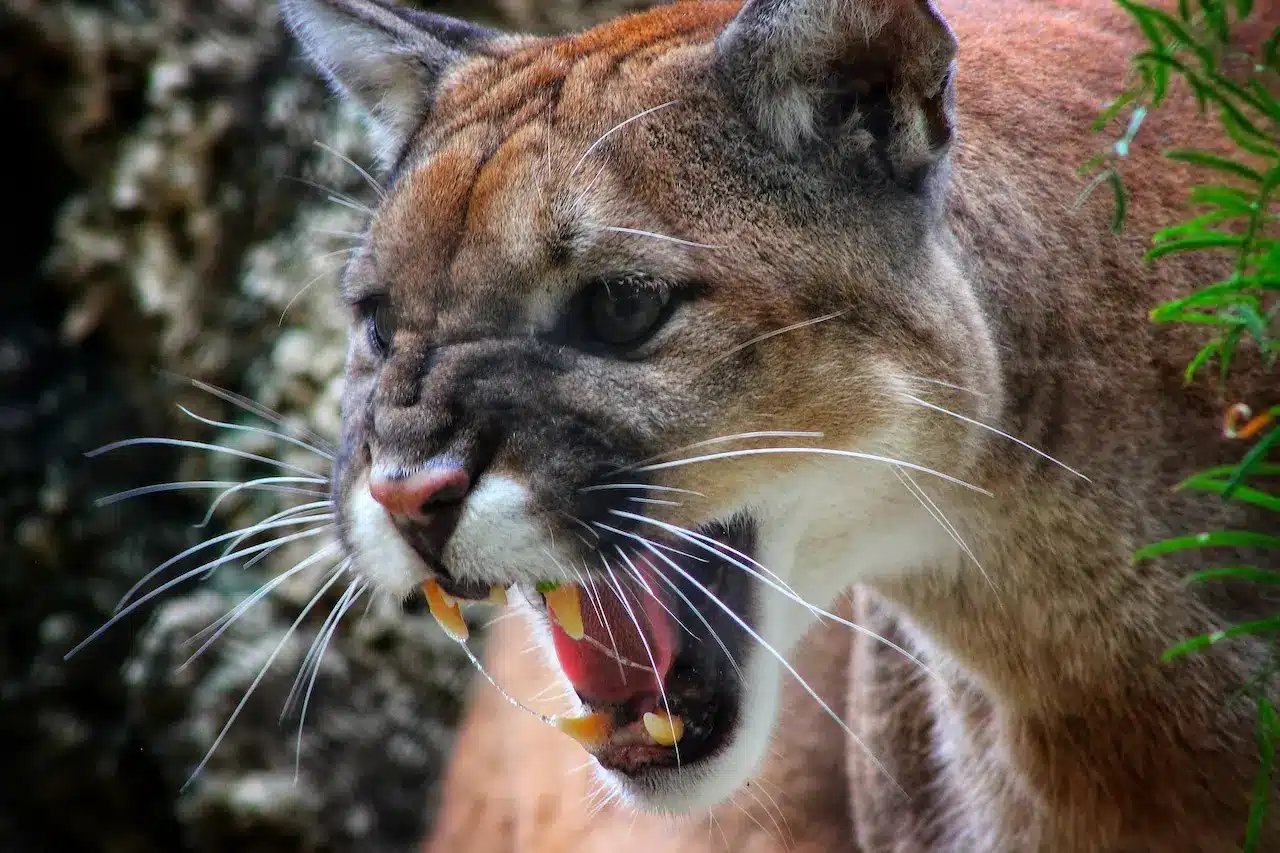
Adult caimans, particularly large black caimans, have few natural predators due to their size and strength. However, one notable exception is the jaguar (Panthera onca), South America’s largest feline and one of the few predators capable of taking on a full-grown caiman. Jaguars are powerful swimmers and use their stealth and strength to ambush caimans basking on riverbanks. They often kill by biting through the skull or spinal cord, a method that allows them to hunt these armored reptiles effectively.
In rare instances, large crocodiles may also compete with or prey upon caimans, but interspecies predation is uncommon. Humans also pose a significant threat through hunting and habitat destruction, which can indirectly increase predation risks by altering caiman populations and behaviors.
Ecological Role
Caimans play a vital role in maintaining the health and balance of their freshwater ecosystems. As apex or mesopredators, they help regulate populations of fish, amphibians, and other aquatic organisms, preventing overpopulation and maintaining biodiversity.
Additionally, caimans contribute to nutrient cycling by consuming prey and excreting waste that fertilizes aquatic plants. Their nesting behavior also influences local vegetation dynamics by modifying riverbanks and creating habitats for other species. Through these interactions, caimans help sustain the intricate web of life in tropical wetlands and river systems.
Conservation Status
The conservation status of caimans varies by species. The spectacled caiman is currently listed as Least Concern by the International Union for Conservation of Nature (IUCN) due to its wide distribution and adaptability. However, other species like the black caiman have faced significant declines due to overhunting for their hides and habitat loss.
Efforts to protect caimans include habitat preservation, regulated hunting practices, and captive breeding programs. In countries such as Brazil and Peru, caiman populations have shown signs of recovery thanks to conservation measures and legal protections. Still, ongoing threats from deforestation, pollution, and climate change continue to challenge the survival of these ancient reptiles.
Interesting Facts About Caimans
- Ancient lineage: Caimans have existed for over 60 million years, surviving mass extinctions that wiped out many other species.
- Temperature-dependent sex determination: This unique reproductive trait means that the environment directly influences the population’s gender balance.
- Powerful bite: A black caiman’s bite force can exceed 2,000 pounds per square inch, one of the strongest among modern reptiles.
- Vocal communication: Hatchlings use high-pitched calls to signal their mothers when they are ready to emerge from the nest.
- Adaptability: Some caiman species can tolerate brackish water and have been found in coastal mangrove areas, demonstrating ecological flexibility.
- Jaguar predation: Jaguars are one of the few predators that hunt adult caimans, showcasing the complex predator-prey dynamics in tropical forests.