Overview and Introduction
The coyote (Canis latrans) is a highly adaptable and intelligent member of the Canidae family, renowned for its resilience and opportunistic feeding habits. Native to North America, coyotes have expanded their range dramatically over the past century, thriving in diverse environments from deserts and grasslands to urban areas. Known colloquially as “song dogs” due to their distinctive vocalizations, these animals play a crucial role in their ecosystems both as predators and scavengers.
One intriguing question many nature enthusiasts ask is, “What eats a coyote?” Coyotes occupy a mid-level position in the food chain, meaning they can be both predator and prey. Understanding what preys on coyotes, as well as what coyotes themselves consume, sheds light on their ecological importance and survival strategies.
Physical Characteristics
Coyotes are medium-sized canines, generally smaller than wolves but larger than foxes. Adults typically weigh between 15 to 46 pounds (7 to 21 kilograms), with males being slightly larger than females. They stand about 21 to 24 inches (53 to 61 cm) tall at the shoulder and measure approximately 3 to 4.5 feet (0.9 to 1.4 meters) in length, including their bushy tails.




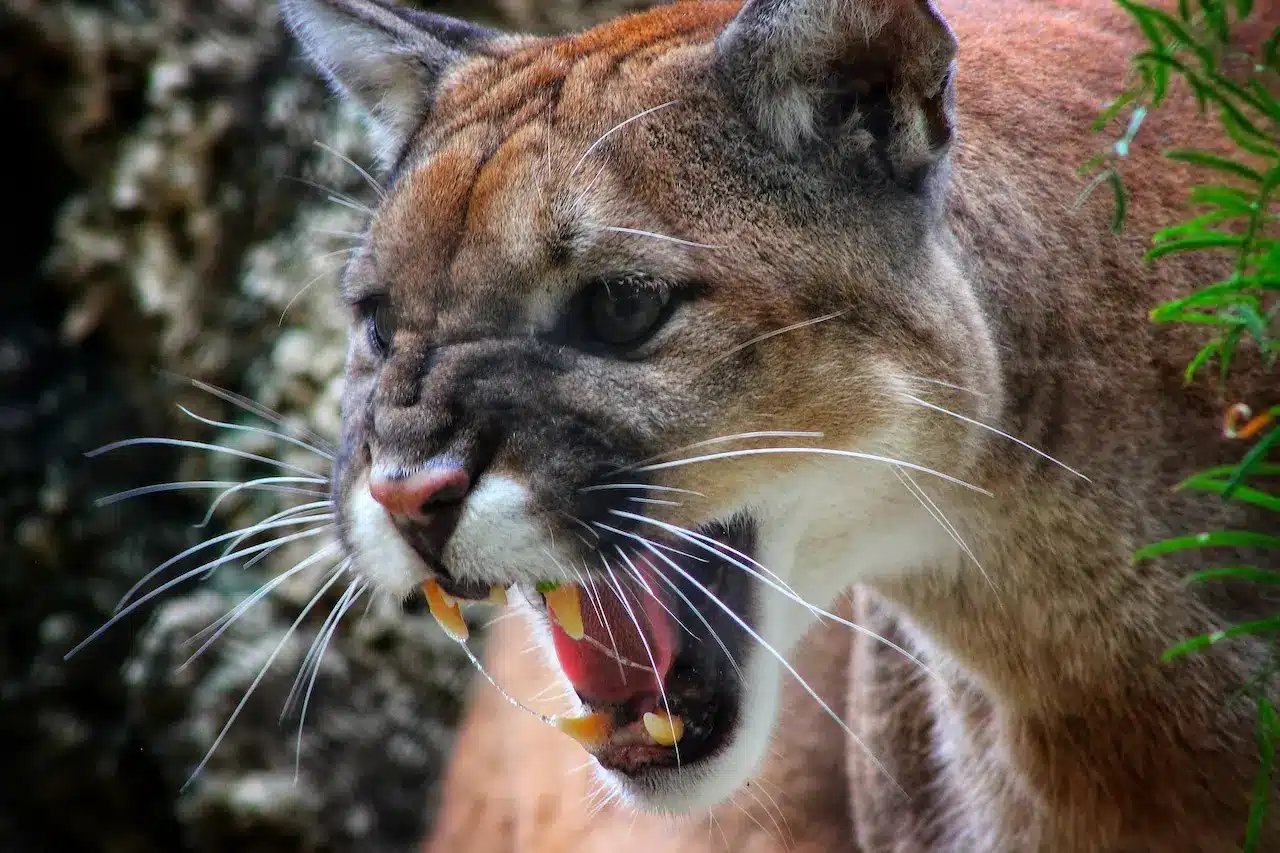

Their fur is usually a mix of gray, brown, and reddish hues, often with lighter underbellies. This coloration provides excellent camouflage in a variety of habitats. Coyotes have sharp, pointed ears and slender muzzles, which contribute to their keen senses of hearing and smell—vital tools for both hunting and avoiding danger.
Behavior
Coyotes exhibit a wide range of behaviors depending on their environment and social structure. They are primarily nocturnal or crepuscular, meaning they are most active during dawn and dusk, although in less populated areas, daytime activity can be common.
Socially, coyotes can be solitary, live in pairs, or form small packs, especially during the breeding season or when raising pups. Packs cooperate to hunt larger prey, demonstrating remarkable teamwork and communication skills through vocalizations such as howls, yips, and barks. These sounds also serve to mark territory and maintain social bonds.
Coyotes are known for their intelligence and adaptability. They can alter their hunting techniques and diet based on the availability of food sources, making them one of the most successful carnivores in North America.
Habitat and Distribution
Coyotes are among the most widespread mammals in North America. Their historic range was primarily the western plains and deserts, but they have since expanded eastward and northward, inhabiting nearly every habitat type across the continent. From the arid deserts of the Southwest to the forests of the Northeast, and even urban environments like Chicago and Los Angeles, coyotes have demonstrated remarkable ecological flexibility.
This adaptability is due in part to their varied diet and ability to avoid human threats. Coyotes commonly utilize edge habitats—areas where two ecosystems meet, such as forest and grassland—to hunt and den. They construct dens in hollow logs, rocky crevices, or burrows abandoned by other animals.
Diet and Feeding Habits
Coyotes are opportunistic omnivores, capable of consuming a wide array of foods depending on season and availability. Their diet primarily includes small mammals such as rodents (mice, voles, squirrels), rabbits, and hares. They also prey on amphibians, reptiles, insects, and birds—including the eggs and young of ground-nesting species.
In some regions, coyotes have been observed hunting larger game, particularly when in packs. For example, in parts of North America where white-tailed deer and pronghorn antelope are abundant, coordinated coyote groups may bring down fawns or weakened adults. This ability to take larger prey showcases their social hunting adaptability.
Additionally, coyotes scavenge carrion and consume fruits, berries, and grasses to supplement their diets. Their varied feeding habits make them resilient in fluctuating environmental conditions, allowing them to survive even in human-altered landscapes.
Reproduction and Life Cycle
Coyote breeding season typically occurs from January to March, depending on geographic location. During this time, males and females form monogamous pairs, though some instances of polygamy have been recorded. After a gestation period of about 60 to 63 days, females give birth to litters averaging 4 to 7 pups.
The pups are born blind and helpless, relying on their parents for nourishment and protection. Both parents, and sometimes other pack members, help care for the young. The pups begin to open their eyes around 10 days old and start exploring outside the den by three weeks.
Juvenile coyotes learn hunting and social skills through play and observation, gradually becoming independent by autumn. This relatively fast maturation process supports stable populations, especially given their survival challenges.
Ecological Role
Coyotes serve a vital ecological function as both predator and prey. By preying on rodents and other small mammals, they help regulate populations that might otherwise explode and cause agricultural damage or spread disease. Their scavenging behavior also aids in nutrient recycling, cleaning up carrion that could harbor pathogens.
As prey, coyotes are an important food source for larger predators, contributing to the complex food web of their ecosystems. Their presence influences the behavior and distribution of other species, including competitors such as foxes and bobcats.
What Eats a Coyote?
Although coyotes are efficient hunters and highly cautious animals, they are not without natural predators. Their primary and most significant predator is the gray wolf (Canis lupus), the largest member of the canine family. Wolves view coyotes as both competitors and prey, often killing them to reduce competition for food resources.
Historical records and recent studies have shown that the reintroduction of wolves to areas like Yellowstone National Park has caused noticeable declines in coyote populations. Wolf packs actively exclude or kill coyotes within their territories, which leads to a balance in predator populations.
Other potential predators include mountain lions (Puma concolor), bears, and occasionally large birds of prey such as golden eagles (Aquila chrysaetos) targeting young or smaller coyotes. However, adult coyotes are cunning and fast, usually avoiding such dangers through stealth and speed.
Conservation Status
Coyotes are currently classified as a species of Least Concern by the International Union for Conservation of Nature (IUCN). Their populations are stable and, in many regions, increasing due to their adaptability and ability to live close to human settlements.
While coyotes sometimes come into conflict with humans—particularly livestock owners and pet owners—efforts to manage populations focus mainly on coexistence rather than eradication. Urban wildlife programs often emphasize education about coyote behavior and how to minimize negative encounters.
In some areas, legal hunting and trapping are practiced to control coyote numbers, but these measures rarely threaten the species’ overall survival.
Interesting Facts About Coyotes
- Coyotes are excellent swimmers. They can cross rivers and lakes when needed, which helps them expand their range.
- They communicate with a complex series of vocalizations. Their howls, yips, and barks vary by region and social context, sometimes sounding eerie or haunting at night.
- Coyotes have been observed using cooperative hunting tactics. This includes flanking prey or chasing animals toward other pack members.
- They can survive in urban environments. Coyotes are increasingly common in cities, where they scavenge garbage and prey on rodents, birds, and even domestic pets.
- Their adaptability has made them one of North America’s most successful predators. Despite habitat loss and human pressures, coyotes continue to thrive.