Overview and Introduction
Cows are among the most familiar and important domesticated animals worldwide, primarily raised for their meat, milk, and leather. While they are generally associated with peaceful farm life, cows, like any large herbivores, can occasionally fall prey to a variety of predators. Understanding what eats cows provides insight into predator-prey dynamics, especially in regions where wild carnivores coexist with livestock. This article explores the animals that prey on cows, their behaviors, the ecological context, and also provides a comprehensive look at cows themselves — their physical characteristics, behavior, diet, and ecological roles.
Physical Characteristics of Cows
Cows (Bos taurus) are large, domesticated ungulates characterized by their bulky bodies, cloven hooves, and distinctive horns (in many breeds). Adult cows typically weigh between 1,000 and 1,800 pounds (450 to 800 kilograms), with bulls (males) being larger and more muscular than females. Their coat colors vary widely by breed, ranging from solid black, brown, white, and red to spotted or speckled patterns.
Physiologically, cows have a complex four-chambered stomach that enables them to digest tough plant materials efficiently, making them well-adapted to a grazing lifestyle. Their eyes are positioned on the sides of their heads, providing a broad field of vision to detect predators. Despite their size and strength, cows can be vulnerable to large carnivores, especially calves and weaker individuals.




Behavior
Cows are social animals that live in herds, which can provide some protection against predators. Herding behavior helps them detect threats early and sometimes intimidates predators through collective defense. Mothers are highly protective of their calves and may aggressively defend them against intruders. Cows communicate through vocalizations such as mooing, body language, and scent marking.
Despite their generally docile nature, cows can show aggression, especially bulls during the mating season or when they feel threatened. Their size and strength make them formidable to many smaller predators, but they rely primarily on flight or grouping together for safety.
Habitat and Distribution
Domesticated cows are found worldwide, adapted to various environments including grasslands, savannas, temperate forests, and agricultural land. They thrive in regions where humans raise them on farms and ranches, from North America and Europe to Asia, Africa, and Australia. Their ability to convert grass and other vegetation into valuable resources has made them indispensable to human economies and cultures.
In the wild or feral state, related bovine species such as bison or wild cattle occupy different habitats ranging from plains to mountainous regions. However, the question of what eats a cow generally relates to domesticated cattle that share space with wild predators.
Diet and Feeding
Cows are herbivorous grazers, primarily consuming grasses, legumes, and other forage plants. Their specialized stomach allows them to ferment tough plant fibers, extracting nutrients efficiently. In managed farming systems, their diet can be supplemented with hay, silage, grains, and mineral blocks to ensure balanced nutrition, particularly for dairy cows or those raised for beef production.
The grazing habits of cows influence their habitats significantly, often maintaining grassland ecosystems by preventing overgrowth. Their selective grazing can shape plant communities and affect soil health, making them important ecological agents in many agricultural landscapes.
What Eats a Cow? Predators and Threats
Despite their size and strength, cows can fall prey to several large carnivores, especially in regions where wild predators coexist with livestock.
North America
In North America, the primary predators of cattle include:
- Wolves: Gray wolves occasionally prey on cattle, especially calves or isolated individuals. Wolf attacks on livestock can lead to conflicts with farmers and ranchers.
- Grizzly Bears: These powerful omnivores sometimes kill cattle, particularly calves, during their search for protein-rich food sources.
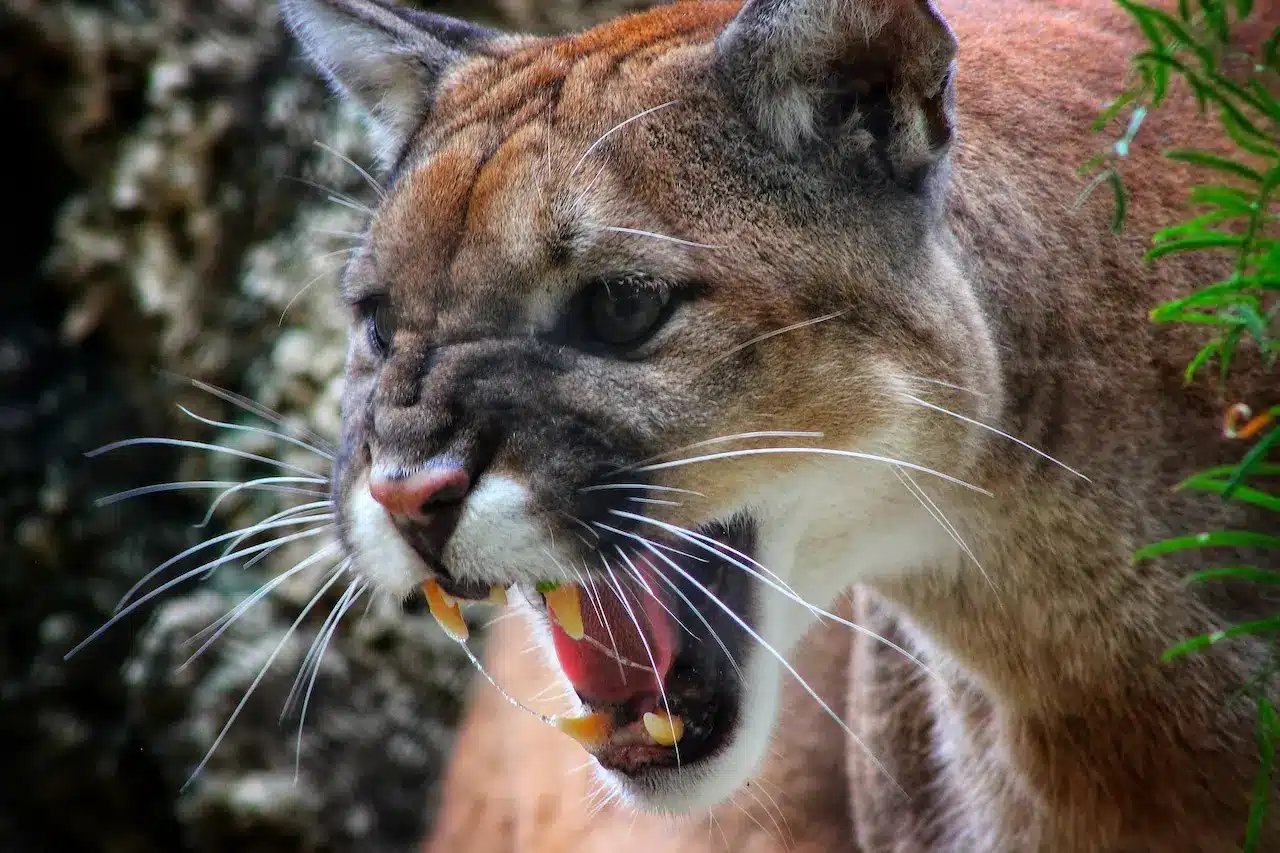
- Mountain Lions (Cougars): Also known to prey on livestock, mountain lions usually target calves or smaller animals.
Asia
In parts of Asia where large predators persist, cattle face threats from:
- Tigers: Tigers are apex predators capable of taking down adult cattle, especially in regions where natural prey is scarce.
- Wolves: Similar to North America, wolf packs can hunt domestic cattle.
- Leopards: Leopards may prey on calves or smaller cattle, particularly in forested or mountainous areas.
Africa
On the African continent, cattle are preyed upon by:
- Lions: As social predators, lions can attack herds of cattle, particularly targeting calves or weak adults.
- Leopards: Leopards tend to target smaller or younger cattle and are more elusive in their attacks.
- Hyenas: Spotted hyenas may scavenge or opportunistically hunt livestock.
Australia
In Australia, the introduction of wild dogs known as dingoes has created predation pressures on cattle:
- Dingoes: These wild canids sometimes prey on calves or weakened cattle, particularly in remote areas.
Other Threats
Besides natural predators, cattle may also fall victim to human-related threats such as poaching, disease, malnutrition, and accidents. Predation is just one aspect of the challenges cows face in both wild and managed environments.
Reproduction
Cows are mammals with a gestation period of approximately 9 months, similar to humans. Females (cows) typically give birth to a single calf, although twins can occur. Calves are nursed by their mothers for several months before gradually transitioning to solid food.
Reproductive cycles are influenced by breed, nutrition, and environmental factors. In managed farming, breeding is often controlled to optimize milk production or beef quality. Natural mating involves bulls competing for access to females during estrus, with dominant bulls typically siring most offspring.
Ecological Role
Cows play an important ecological and economic role in human societies. As grazers, they help maintain grassland ecosystems, encouraging plant diversity and preventing shrub encroachment. Their manure enriches soils and supports nutrient cycling, benefiting other organisms in the ecosystem.
However, overgrazing by cattle can lead to habitat degradation, soil erosion, and loss of biodiversity if not properly managed. Balancing cattle farming with ecological sustainability remains a critical challenge worldwide.
Conservation Status
Domesticated cattle are not endangered and are among the most numerous large mammals globally, with populations exceeding one billion. However, some wild relatives of domestic cattle, such as the wild water buffalo (Bubalus arnee) and various species of wild bovines, face conservation challenges due to habitat loss, hunting, and hybridization with domestic breeds.
Protecting wild bovine species is vital for maintaining genetic diversity and ecosystem health. Meanwhile, sustainable cattle farming practices are encouraged to reduce environmental impacts and improve animal welfare.
Interesting Facts About Cows and Their Predators
- Herd Defense: Cows often form tight groups when threatened, sometimes facing predators together. Bulls may charge at predators to protect the herd.
- Predator Adaptations: Predators like wolves and lions use stealth, endurance, and pack strategies to hunt large prey such as cattle.
- Calf Vulnerability: Calves are the most vulnerable to predation due to their smaller size and limited mobility.
- Human-Wildlife Conflict: Predator attacks on livestock can lead to lethal control measures, impacting predator populations and ecosystem balance.
- Domestication History: Cows were domesticated over 10,000 years ago, evolving from wild aurochs in Eurasia.
- Communication: Cows have distinct vocalizations and social bonds, which help herd cohesion and alertness to danger.