Overview and Introduction
The North American beaver (Castor canadensis) is one of the most industrious and fascinating creatures in North America’s freshwater ecosystems. Known for its remarkable dam-building skills, the beaver plays a crucial ecological role by creating wetlands that support diverse plant and animal communities. However, like all wildlife, beavers have natural predators that help maintain the balance of their populations. Understanding what animals eat beavers provides insight into their survival challenges and the dynamics of the ecosystems they inhabit.
Physical Characteristics
Beavers are the largest rodents in North America, with adults typically weighing between 30 to 70 pounds (14 to 32 kilograms) and measuring around 3 to 4 feet (0.9 to 1.2 meters) in length, including their broad, flat tails. Their distinctive physical features include large, sharp incisors that continuously grow, enabling them to gnaw through wood, and webbed hind feet that make them excellent swimmers. Their thick, waterproof fur provides insulation and protection against cold water, while their powerful tails serve multiple purposes: balance on land, propulsion in water, and even as a warning device by slapping the surface to signal danger.
Behavior
Beavers are primarily nocturnal and crepuscular, most active during dawn and dusk hours. They are solitary or live in small family groups consisting of a monogamous pair and their offspring. Known for their engineering skills, beavers build complex lodges and dams using branches, mud, and stones. These structures create deep ponds that protect them from predators and provide easy access to food during winter months. Beavers are territorial animals and use scent marking to communicate and defend their territory.


Habitat and Distribution
Beavers are found throughout much of North America, from the Arctic tundra to the northern United States and parts of Mexico. They prefer habitats with abundant water sources such as streams, rivers, lakes, and wetlands surrounded by hardwood forests. These environments supply the trees and vegetation beavers need for food and building materials. Beavers have also been introduced to parts of Europe, where they have successfully established populations.
Diet and Feeding Habits
Contrary to popular belief, beavers do not consume the hard, dense wood of large trees. Instead, they feed primarily on the tender bark, buds, and young twigs of deciduous trees such as aspen, willow, birch, and maple. When beavers fell mature trees, part of the motivation is to encourage the growth of new shoots and saplings, which are more palatable and nutritious. Their diet is seasonal; during spring and summer, they supplement their woody diet with aquatic plants, grasses, leaves, and berries, while in winter, they rely heavily on stored branches beneath the ice. Beavers are herbivores with a specialized digestive system adapted to break down cellulose, the main component of plant cell walls.
What Eats Beavers?
Beavers have several natural predators that vary depending on their age, size, and habitat location. Historically, the primary predator of adult beavers was the gray wolf (Canis lupus). Wolves hunted beavers by breaking through ice or ambushing them near water edges. However, extensive hunting and habitat changes by European settlers greatly reduced wolf populations, which in turn affected beaver numbers.
Today, adult beavers face predation mainly from large carnivores such as cougars (mountain lions), bobcats, and coyotes. These predators rely on stealth and strength to catch beavers, especially when beavers are traveling on land between water bodies or working on dams. Bears, particularly black bears, may opportunistically prey on beavers, especially young or injured individuals.
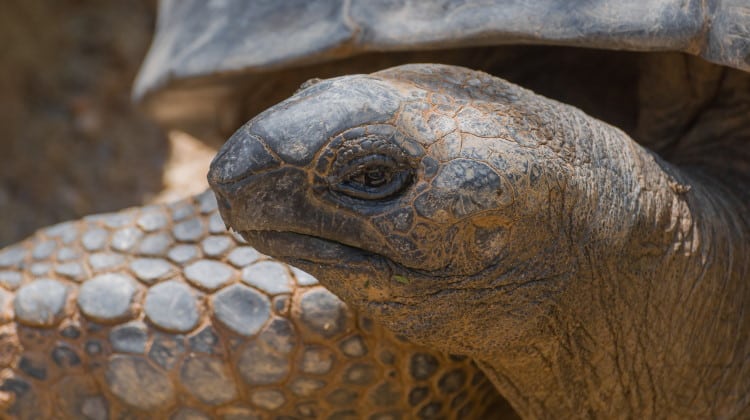
Young beaver kits are particularly vulnerable and can fall prey to a wider range of predators. Birds of prey such as bald eagles, great horned owls, and red-tailed hawks may snatch small kits near the water’s edge. Additionally, river otters, snapping turtles, and mink have been known to prey on juvenile beavers.
Reproduction
Beavers are monogamous animals, typically forming lifelong breeding pairs. The breeding season occurs in late winter, with females giving birth to litters of between one and six kits in the spring after a gestation period of about 105 to 107 days. Kits are born fully furred and with their eyes open, capable of swimming within days, although they remain dependent on their parents for several months. Family groups work together to care for the young, teaching them how to swim, forage, and build dams. Juveniles usually disperse after two years to find and establish their own territories.
Ecological Role
Beavers are considered a keystone species because of their profound impact on ecosystems. Their dam-building activities create wetlands that improve water quality by trapping sediments, reducing erosion, and filtering pollutants. These wetlands serve as vital habitats for numerous species, including fish, amphibians, birds, and other mammals. Beaver ponds also help recharge groundwater and mitigate flooding during heavy rains.
By selectively cutting trees and encouraging new growth, beavers influence forest composition and succession. Their presence increases biodiversity and creates a mosaic of habitats that benefit many organisms. For example, amphibians such as frogs and salamanders thrive in beaver-created wetlands, while migratory birds use ponds as resting and feeding spots.
Conservation Status
Historically, beavers faced near-extinction in North America due to intense trapping for their fur during the 18th and 19th centuries. European settlers valued beaver pelts for making hats and coats, leading to overharvesting that drastically reduced populations. Fortunately, conservation efforts and changes in trapping regulations have allowed beaver numbers to rebound significantly. Today, the North American beaver is classified as a species of Least Concern by the International Union for Conservation of Nature (IUCN).
However, beavers still face threats such as habitat loss, water pollution, and conflicts with humans, especially where their dam-building causes flooding of agricultural or urban areas. In some regions, beavers are managed through relocation or controlled trapping to balance ecological benefits with human interests.
Interesting Facts About Beavers
- Natural Engineers: Beavers are famous for their ability to alter landscapes by building dams that can span hundreds of feet, creating ponds that may last for decades.
- Specialized Teeth: Their orange-colored incisors contain iron, which strengthens the enamel and helps them chew through tough wood.
- Communication: Beavers communicate using vocalizations, scent marking, and tail slaps on water to warn others of danger.
- Waterproof Fur: Beavers produce an oily secretion called castoreum, which they use to waterproof their fur and scent-mark territories.
- Longevity: In the wild, beavers typically live 10 to 12 years, although some have been known to live up to 20 years in protected environments.
- Family-Oriented: Beaver families work cooperatively to maintain the lodge and care for young, showcasing complex social behavior among rodents.
- Impact on Climate: By creating wetlands, beavers help sequester carbon and support ecosystems that mitigate climate change effects.