Overview and Introduction
Turtles are ancient reptiles that have roamed the earth for over 200 million years. Known for their distinctive hard shells and slow, deliberate movements, turtles occupy a variety of habitats ranging from freshwater rivers and lakes to vast oceans. Despite their protective armor, turtles face numerous threats from predators throughout their lives. Understanding what eats turtles and what turtles themselves eat provides insight into their complex ecological roles and survival strategies.
Physical Characteristics
Turtles are easily recognized by their unique physical feature: a bony or cartilaginous shell developed from their ribs. This shell acts as a shield against predators. The shell is divided into two parts – the carapace (top) and the plastron (bottom). Depending on the species, turtle shells can be smooth or ridged, and their colors range from muted browns and greens to bright patterns that help with camouflage.
Most turtles have sturdy, clawed feet adapted to their environment. For example, freshwater turtles have webbed feet for swimming, while sea turtles have flippers. Their heads can retract into their shells for protection, but this ability varies among species.





Behavior
Turtles exhibit a range of behaviors depending on their species and environment. Many are solitary creatures, spending much of their time basking in the sun to regulate their body temperature. They are ectothermic, meaning they rely on external heat sources.
In terms of defense, turtles primarily depend on their shells to avoid predation. When threatened, they withdraw their heads and limbs into their shells. Some species, like the snapping turtle, are more aggressive and may bite when disturbed.
Habitat and Distribution
Turtles are found worldwide, inhabiting diverse environments. Freshwater turtles live in rivers, ponds, lakes, and marshes across North America, South America, Asia, and Africa. Sea turtles are distributed throughout the world’s oceans, spending most of their lives at sea but returning to sandy beaches to lay eggs. Terrestrial turtles, often called tortoises, inhabit dry, arid regions and forests.
Their wide distribution means turtles encounter a variety of predators depending on their habitat. The predators of freshwater turtles differ significantly from those preying on sea turtles.
What Eats Turtles?
Predators of Freshwater Turtles
Freshwater turtles have numerous natural enemies, particularly in tropical regions. Large reptiles such as crocodiles, alligators, and caimans are among the most formidable predators. These powerful animals can crush turtle shells with their strong jaws and consume the turtles whole. For example, the American alligator is known to prey on various turtle species in the southeastern United States.
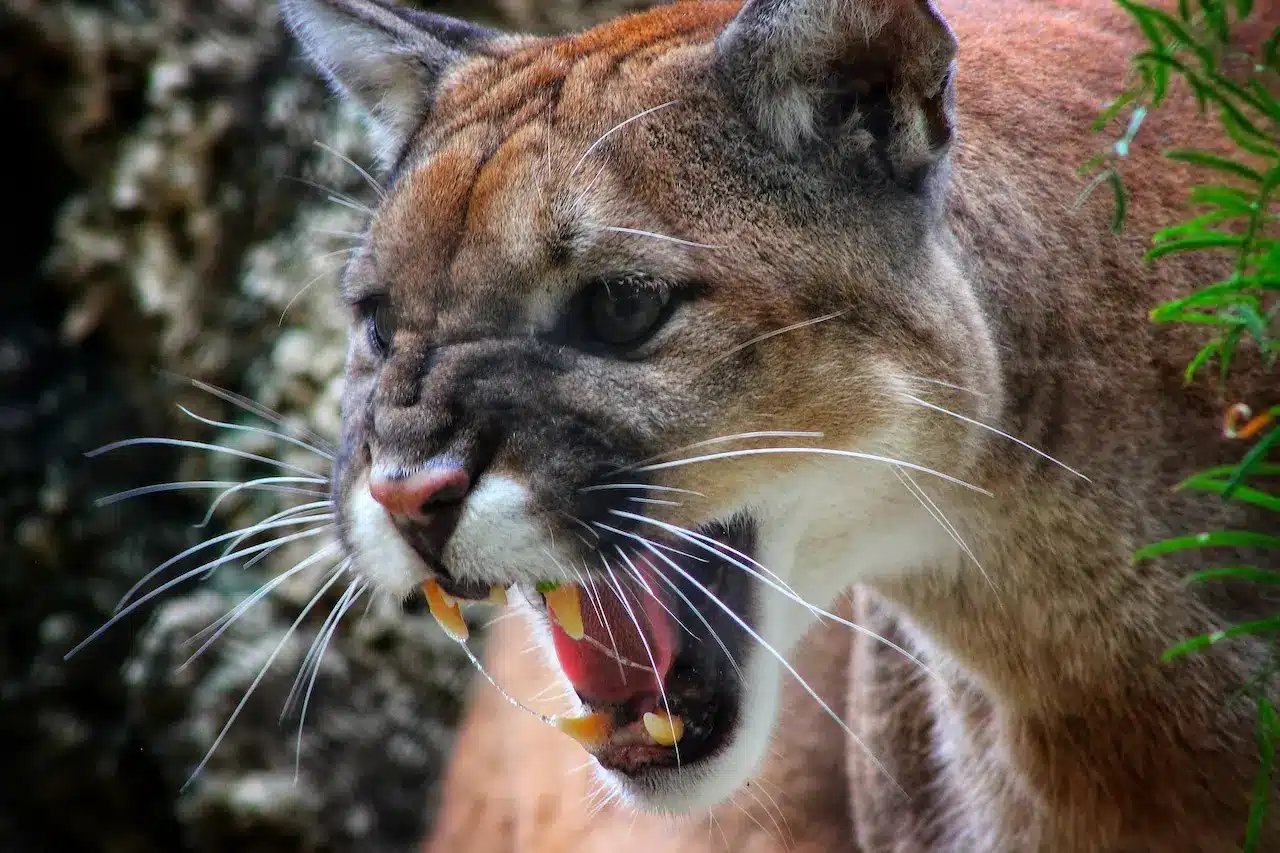
Big cats like jaguars are also capable of preying on turtles. Jaguars have incredibly strong bite forces, enabling them to puncture the turtle’s hard shell and access the soft flesh inside. In the rainforests of Central and South America, jaguars have been observed feeding on turtles, especially during the dry season when other prey may be scarce.
Smaller mammals such as raccoons are opportunistic predators of turtles. Raccoons often gnaw at the edges of a turtle’s shell to reach the vulnerable body inside. They are known to raid turtle nests and consume eggs, contributing to the species’ vulnerability.
Predators of Sea Turtles
Sea turtles, despite their large size and oceanic lifestyle, are not free from predation. Sharks are the primary predators of mature sea turtles. Species like tiger sharks and great white sharks have been documented attacking sea turtles, often biting off their flippers or injuring them severely. Hatchlings and juvenile sea turtles are especially vulnerable to a wider range of predators including crabs, seabirds, and fish.
Humans also pose a significant threat to sea turtles. In many coastal communities around the world, turtles and their eggs are harvested for food, traditional medicine, or commercial sale. This human predation has contributed to the decline of several sea turtle species.
What Do Turtles Eat?
Turtles are generally omnivorous, with diets varying widely depending on species, age, and habitat. Freshwater turtles often consume a mix of aquatic vegetation, insects, small fish, and amphibians. Some larger turtles, like the snapping turtle, are powerful enough to catch and eat sizeable prey including fish, frogs, and even small mammals.
Sea turtles’ diets vary by species. For example, green sea turtles primarily graze on sea grasses and algae, making them important grazers in marine ecosystems. Loggerhead sea turtles have strong jaws adapted to crushing hard-shelled prey like crabs and mollusks. Leatherback turtles are specialized feeders on jellyfish.
Reproduction
Turtles have fascinating reproductive behaviors. Most species lay eggs on land, digging nests in sandy beaches or riverbanks. Female turtles often return to the same nesting sites year after year, a behavior known as natal homing. The number of eggs laid varies, but can range from a dozen to over a hundred in a single clutch.
Temperature plays a crucial role in determining the sex of hatchlings in many turtle species. Warmer nest temperatures tend to produce females, while cooler temperatures produce males. After incubation periods that can last from several weeks to months, hatchlings emerge and make their perilous journey to water, facing numerous predators along the way.
Ecological Role
Turtles are vital components of their ecosystems. By feeding on a variety of plants and animals, they help maintain balanced food webs. Freshwater turtles contribute to nutrient cycling in aquatic systems by consuming dead matter and controlling insect populations.
Sea turtles, particularly herbivorous species like green turtles, help maintain healthy seagrass beds and coral reefs. Their grazing prevents overgrowth of algae, promoting biodiversity. Additionally, turtle nesting activities aerate beach sand and contribute nutrients to coastal habitats.
Conservation Status
Many turtle species worldwide are threatened or endangered due to habitat loss, pollution, climate change, and human exploitation. The International Union for Conservation of Nature (IUCN) lists several sea turtles, such as the hawksbill and leatherback, as critically endangered.
Conservation efforts include protecting nesting beaches, regulating fisheries to reduce bycatch, and international agreements like the Convention on International Trade in Endangered Species (CITES). Public education campaigns also aim to reduce the demand for turtle products and promote coexistence.
Interesting Facts About Turtles
- Longevity: Some turtles can live for over 100 years, making them one of the longest-living reptiles.
- Navigation Skills: Sea turtles use the Earth’s magnetic field to navigate across oceans during migrations.
- Shell Growth: A turtle’s shell grows with it, adding new layers rather than being replaced.
- Temperature-Dependent Sex Determination: The sex of turtle hatchlings is influenced by nest temperature, a rare trait in the animal kingdom.
- Slow Metabolism: Turtles have slow metabolisms, which allows them to survive long periods without food or oxygen, especially during hibernation or underwater stays.