What Eats Birds? Understanding Predators and Bird Diets
Wild birds captivate us with their vibrant colors, melodious songs, and graceful flight, yet these remarkable creatures play an intricate role in complex food webs. One of the most fascinating questions in ornithology and ecology is: What eats birds? Understanding the predators of birds and the diets of birds themselves offers deep insights into ecosystem dynamics, evolutionary adaptations, and conservation challenges.
Birds: Both Predator and Prey
There are over 10,000 bird species worldwide, ranging from tiny hummingbirds to the massive Andean condor and the powerful harpy eagle. Almost all birds, except for the very largest raptors like condors and some eagles, face threats from predators at some stage of their lives. Predation is a primary natural cause of mortality and an important selective pressure influencing bird behavior, morphology, and life history traits.




Avian Predators: Birds That Prey on Other Birds
Among birds, many species are formidable hunters that prey on smaller birds, eggs, or nestlings. Birds of prey, or raptors, are especially skilled predators. Falcons, hawks, owls, and eagles are well-known for their hunting prowess.
- Falcons such as the peregrine falcon are renowned for their incredible aerial speed and agility, hunting small birds mid-flight.
- Owls primarily hunt at night using exceptional low-light vision and silent flight to capture rodents, insects, and smaller birds.
- Eagles, such as the golden eagle, may prey on medium-sized birds or nestlings and occasionally steal prey from other raptors.
These avian predators rely on sharp talons, hooked beaks, and keen eyesight. The evolutionary arms race between predator birds and their avian prey has led to fascinating adaptations such as camouflage plumage, alarm calls, coordinated flocking behavior, and rapid escape maneuvers.
Reptilian Predators: Serpents and Other Killers
Reptiles play a significant role in controlling bird populations, especially in forested and wetland environments. Snakes, for example, are notorious nest predators. Many species of constrictors or venomous snakes, such as rat snakes, tree boas, and pythons, specialize in raiding nests to consume eggs and chicks. Some snakes can climb trees and shrubs with remarkable agility, approaching nests often located in otherwise safe-appearing places.
In addition to snakes, large lizards may prey upon birds or their young. Examples include monitor lizards in tropical regions and even alligators or crocodiles occasionally snatching waterfowl near shorelines.
Mammalian Predators of Birds
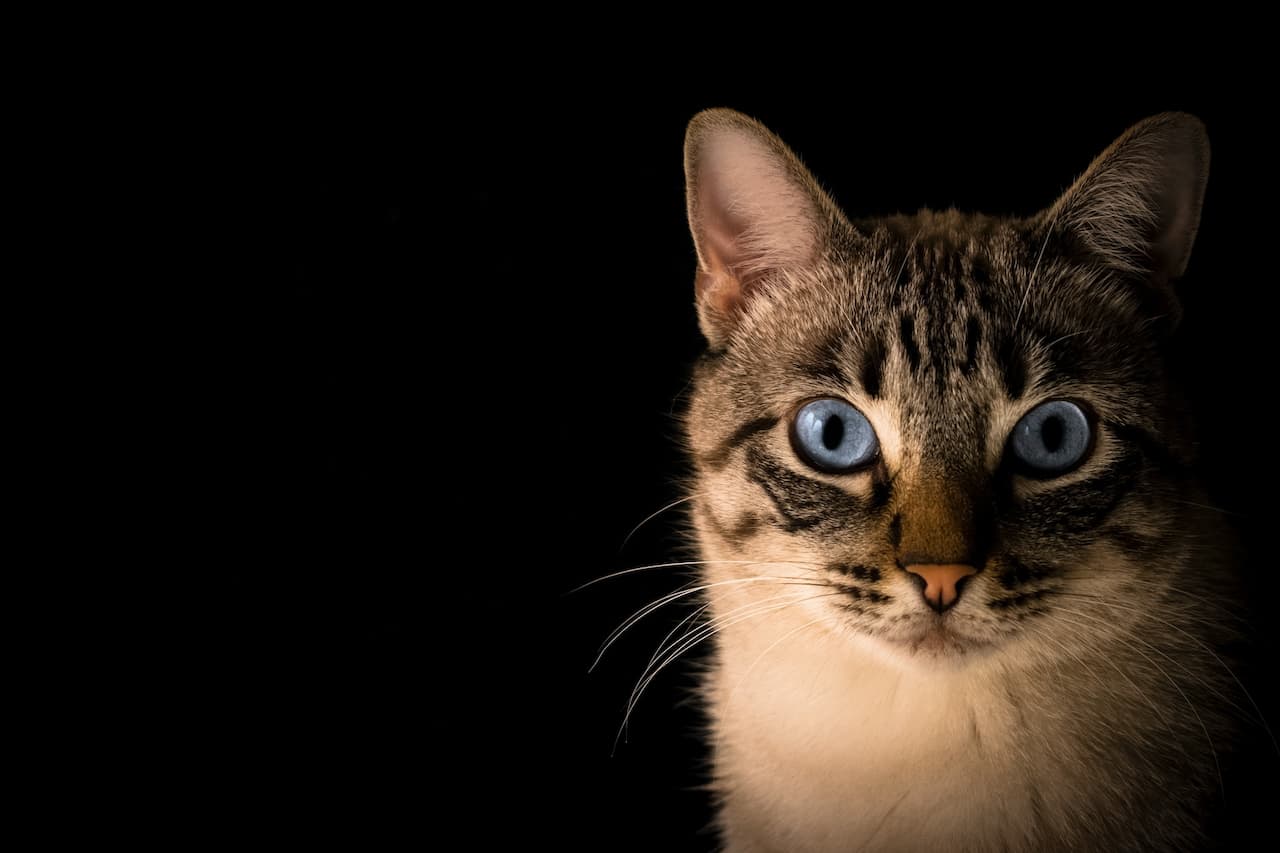
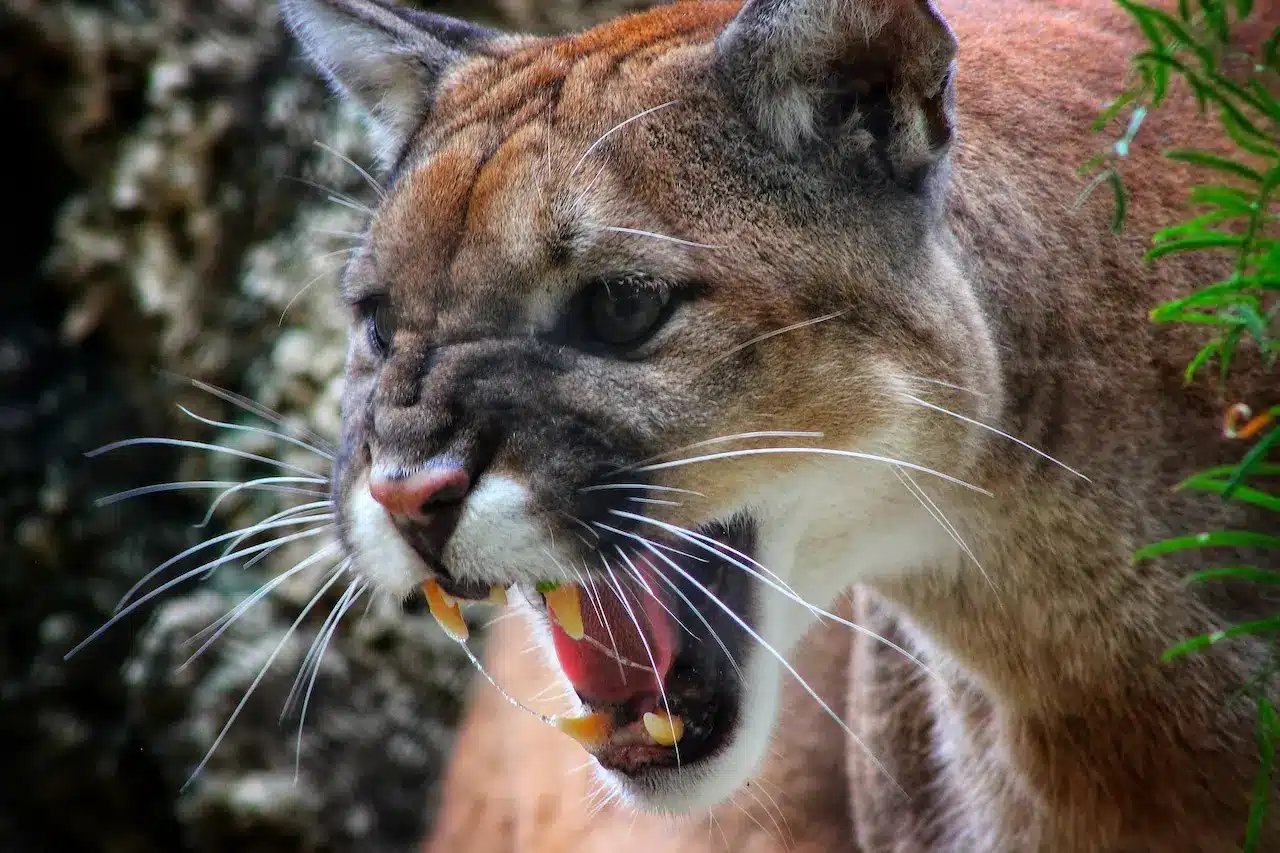
Carnivorous mammals are another major group of bird predators. Small to medium-sized mammals such as bobcats, foxes, weasels, raccoons, martens, and even domestic cats are known to hunt adult birds and their offspring. Mammals use their stealth, speed, and sharp claws or teeth to surprise and capture birds, often during vulnerable times such as nesting.
Notably, domestic house cats (Felis catus) have a profound impact on wild bird populations, particularly in urban and suburban environments. Scientific studies estimate that in the United States alone, free-roaming cats kill up to 500 million wild birds annually. This staggering figure highlights the ecological consequences of introduced or feral predators and underscores the importance of responsible pet ownership and urban wildlife management.
Other Surprising Predators: Amphibians and Invertebrates
In some of the world’s most biodiverse rainforests, even amphibians and invertebrates can prey on birds. Large frogs, such as the South American giant monkey frog (Phyllomedusa bicolor), and sizable tarantulas have been documented preying on small birds, nestlings, or bird eggs. This phenomenon is not common but demonstrates the complexity and interconnections in tropical ecosystems.
Humans: A Significant Bird Predator
Humans have hunted birds for thousands of years for food, feathers, and sport. Today, poultry species including chickens, turkeys, ducks, and quails are among the most commonly farmed birds worldwide and critically important for global nutrition. Additionally, wild birds such as ducks, pheasants, and doves are hunted recreationally or commercially in many regions.
While traditional hunting is often managed sustainably, habitat loss, pollution, and overhunting have contributed to declines in many wild bird populations. Conservation measures and international agreements work to protect migratory birds and endangered species from excessive harvesting.
What Do Birds Eat? A Spectrum of Dietary Adaptations
Just as birds are preyed upon by a variety of predators, their diets are equally diverse, reflecting adaptations to different habitats, niches, and food availability. Birds exhibit an astonishing range of feeding strategies, with diets encompassing almost every type of natural food source.
Insectivores: Birds That Eat Insects
Many bird species, particularly small songbirds, are primarily insectivorous. These birds play essential roles in controlling insect populations and maintaining ecosystem health. Examples include warblers, swallows, flycatchers, and nightjars. They capture a variety of insects such as beetles, flies, caterpillars, ants, and mosquitoes, often gleaning prey from foliage or catching it mid-air.
Granivores and Frugivores: Seed and Fruit Eaters
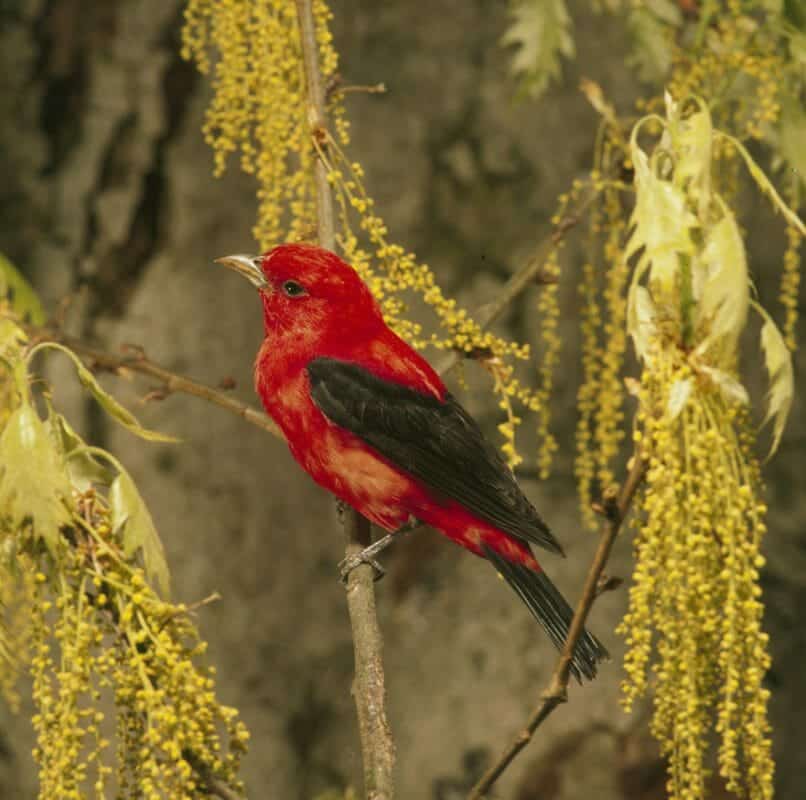
Seed-eating birds like finches, sparrows, and doves rely heavily on grains and seeds. Their bills are often adapted for cracking hard seed coats. Frugivorous birds, such as many species of toucans, bulbuls, and orioles, consume fruits and berries, playing a vital role in seed dispersal. For instance, the Scarlet Tanager pictured above not only captivates with its vibrant color but also feeds on insects and fruit, illustrating dietary versatility.
Piscivores: Fish-Eating Birds
Several bird species specialize in hunting fish and aquatic invertebrates. Kingfishers, ospreys, cormorants, and herons have morphological adaptations such as hooked bills, excellent vision, and specialized diving capabilities allowing them to capture fish efficiently. Some seabirds, like albatrosses and gannets, can travel vast distances searching for ocean prey.
Carnivorous Birds: Predators of Small Animals and Other Birds
As mentioned earlier, many birds are carnivores feeding on small mammals, reptiles, amphibians, or other birds. Certain shrikes, known for their “butcher bird” behavior, impale prey on thorns or barbed wire as a food storage strategy. Raptors are apex aerial predators. This carnivorous diet provides high-energy sustenance necessary for their survival and reproductive success.
Conclusion
Birds exist within a dynamic matrix of predation and feeding interactions. They occupy multiple trophic levels—as prey, predators, seed dispersers, pollinators, and crucial components of ecosystems worldwide. Recognizing what eats birds and what birds eat reveals the interconnectedness that maintains biodiversity and ecosystem stability.
From fierce raptors hunting mid-air to secretive snakes raiding nests; from the hidden menace of domestic cats to the surprising predation by frogs and spiders, the threats faced by birds are varied and complex. Similarly, birds themselves have evolved extraordinary adaptations to exploit a wide variety of food sources. Protecting bird populations means understanding these ecological relationships, mitigating human impacts, and preserving the habitats that support these incredible creatures and their predators alike.
Whether observing a Scarlet Tanager in your local woods or witnessing a great horned owl hunting silently in the night, appreciating these predator-prey dynamics enriches our connection to the natural world and inspires conservation action for future generations.