Overview and Introduction
Foxes are among the most adaptable and widespread carnivores in the animal kingdom, known for their cunning behavior and striking appearance. While they are often thought of primarily as skilled hunters, foxes themselves are also preyed upon by a variety of larger predators. Understanding what eats a fox provides insight into the complex food webs and ecological dynamics in the habitats where foxes live. This article explores the natural predators of foxes, their physical characteristics, behavior, diet, habitats, and their vital role in the ecosystem.
Physical Characteristics
Foxes belong to the family Canidae, which also includes wolves, coyotes, and domestic dogs. The most familiar species, the red fox (Vulpes vulpes), typically weighs between 8 and 15 pounds (3.5 to 6.8 kilograms) and measures about 18 to 35 inches (45 to 90 centimeters) in body length, with a bushy tail adding an additional 12 to 22 inches (30 to 56 centimeters).
Foxes have slender bodies, pointed ears, and sharp muzzles, adaptations that aid in hunting and sensing their environment. Their fur coloration varies widely—from the classic reddish-orange to silver, black, or even white in some subspecies—providing camouflage in diverse habitats. Foxes have keen senses of hearing and smell, which are crucial for detecting both prey and predators.





Behavior
Foxes are primarily nocturnal or crepuscular, meaning they are most active during twilight hours at dawn and dusk. They are solitary hunters, unlike wolves or coyotes that hunt in packs. Foxes rely on stealth and agility to catch prey and avoid danger. Their behavior varies seasonally; during breeding season, they become more vocal and territorial.
Foxes are intelligent and adaptable, capable of living near human settlements and adjusting their diet accordingly. They communicate using a range of vocalizations, body postures, and scent markings to establish territories and social hierarchies.
Habitat and Distribution
Foxes are found across the globe, inhabiting a vast range of environments including forests, grasslands, mountains, deserts, and urban areas. The red fox is the most widely distributed species, native to North America, Europe, Asia, and parts of North Africa. Other species, such as the Arctic fox, fennec fox, and kit fox, are adapted to more specialized habitats like tundras and deserts.
This broad distribution means foxes encounter a variety of predators and competitors, influencing their survival strategies in different ecosystems.
Diet and Feeding
Foxes are omnivorous opportunists with a diet primarily consisting of small mammals such as rodents, rabbits, and voles. They also consume birds, insects, amphibians, and occasionally reptiles. Foxes will scavenge carrion and eat eggs, fruits, berries, and even human food waste when available.
Using their sharp senses and agile movements, foxes hunt by stalking and pouncing on prey. Their varied diet helps them thrive in many environments, making them resilient against changes in food availability.
What Eats a Fox? Natural Predators
Despite being effective predators, foxes themselves face threats from larger carnivores. In North America, some of the main predators of foxes include:
- Coyotes: Larger and more powerful than foxes, coyotes often kill foxes to reduce competition for food. Coyotes are highly adaptable and can dominate foxes in overlapping territories.
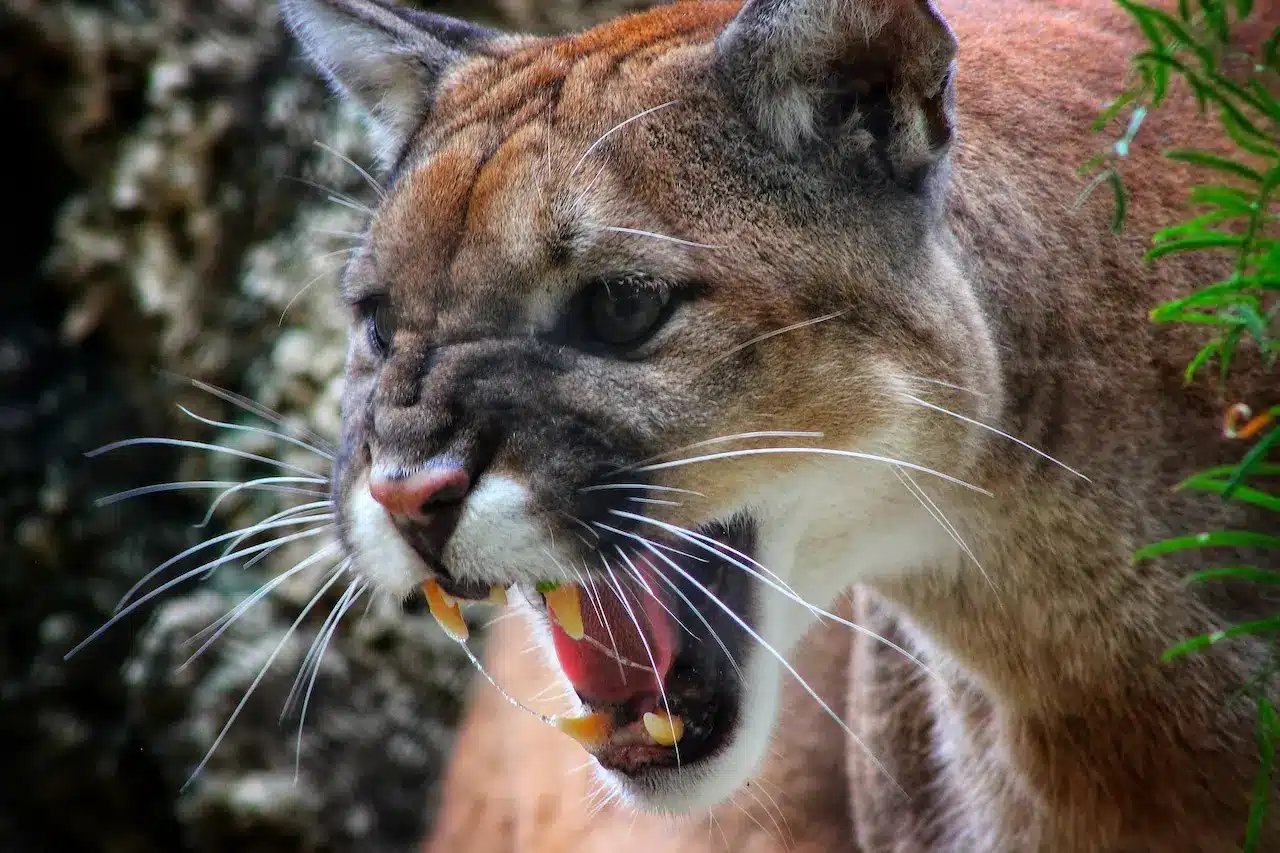
- Cougars (Mountain Lions): These stealthy big cats can prey on foxes, especially when foxes venture into mountainous or forested regions where cougars reside.
- Canada Lynx: Lynxes have large paws that allow them to move efficiently in deep snow, giving them an advantage over foxes that tend to sink into the snow. This mobility enables lynx to hunt foxes in winter conditions.
- Golden Eagles and Other Large Raptors: Birds of prey such as golden eagles are capable of catching young or small foxes, especially when they are crossing open meadows or fields.
On other continents, different predators pose threats to local fox species. For example, in Africa, larger wild dogs, lions, and hyenas may prey on foxes. In Asia and Europe, wolves and large cats like leopards can be significant predators.
Reproduction
Foxes typically breed once a year, with the timing varying by species and geographic location. For the red fox, mating usually occurs in winter, with a gestation period of about 51 to 53 days. Litters average between 4 to 6 kits (young foxes), though litter sizes can range from 1 to 12.
Both parents participate in raising the young. The vixen (female fox) nurses the kits in a den, while the male fox hunts and brings food. Kits begin to explore outside the den at about 4 to 5 weeks and are weaned by 8 to 10 weeks. Juveniles often stay with the family group until autumn before dispersing to establish their own territories.
Ecological Role
Foxes play a crucial role in the ecosystems they inhabit. As mesopredators—mid-sized carnivores—they help regulate populations of rodents and insects, which can prevent overgrazing and crop damage. By controlling these prey species, foxes indirectly support plant communities and overall biodiversity.
Foxes are also prey for larger carnivores, making them an important link in food chains. Their dens provide shelter for other animals when abandoned, encouraging habitat complexity. Additionally, their scavenging habits help recycle nutrients by consuming carrion.
Conservation Status
Most fox species are currently not considered threatened and have stable or increasing populations due to their adaptability. The red fox, for example, is classified as Least Concern by the International Union for Conservation of Nature (IUCN). However, some species face challenges:
- Darwin’s fox (Lycalopex fulvipes): Endemic to Chile, this rare species is listed as Endangered due to habitat loss and competition with domestic dogs.
- Island fox (Urocyon littoralis): Native to the Channel Islands off California, this species experienced population declines due to disease and predation but has recovered through conservation efforts.
Habitat destruction, human-wildlife conflict, and disease remain ongoing threats for some fox populations, highlighting the need for continued monitoring and protection efforts.
Interesting Facts About Foxes
- Foxes have vertical slit pupils, similar to cats, which help them see well in low light conditions.
- The “fox trot” is a unique hunting method where the fox uses its keen hearing to locate prey beneath the snow, then leaps high to pounce.
- Foxes use a wide range of vocalizations—over 40 different sounds have been documented, including barks, screams, and howls.
- Urban foxes have adapted remarkably well to city life, often scavenging from garbage bins and using abandoned buildings for dens.
- Foxes have a special scent gland at the base of their tail, which they use to mark territory and communicate with other foxes.