Overview and Introduction
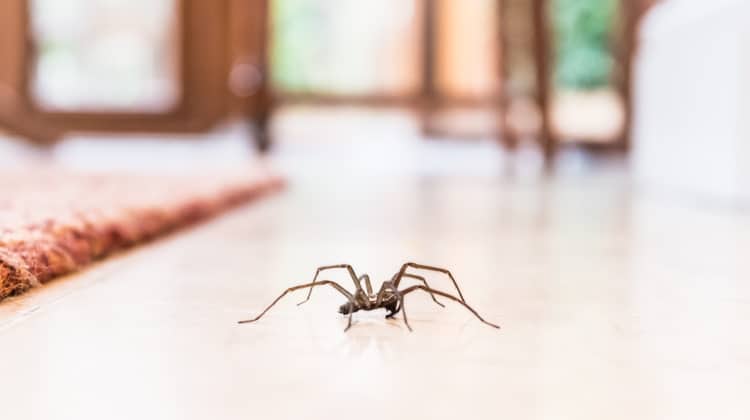
Spiders are among the most fascinating and diverse creatures on Earth, known primarily for their predatory skills. While many animals fear spiders, considering them dangerous or venomous, the reality is that spiders themselves are prey to a wide array of predators. The question, “What eats a spider?” opens up an intricate web of ecological interactions, revealing that spiders are an important food source for numerous species across the animal kingdom. From birds and insects to mammals and reptiles, spiders serve as vital nutrition for many creatures, playing a crucial role in maintaining ecological balance.
Physical Characteristics of Spiders
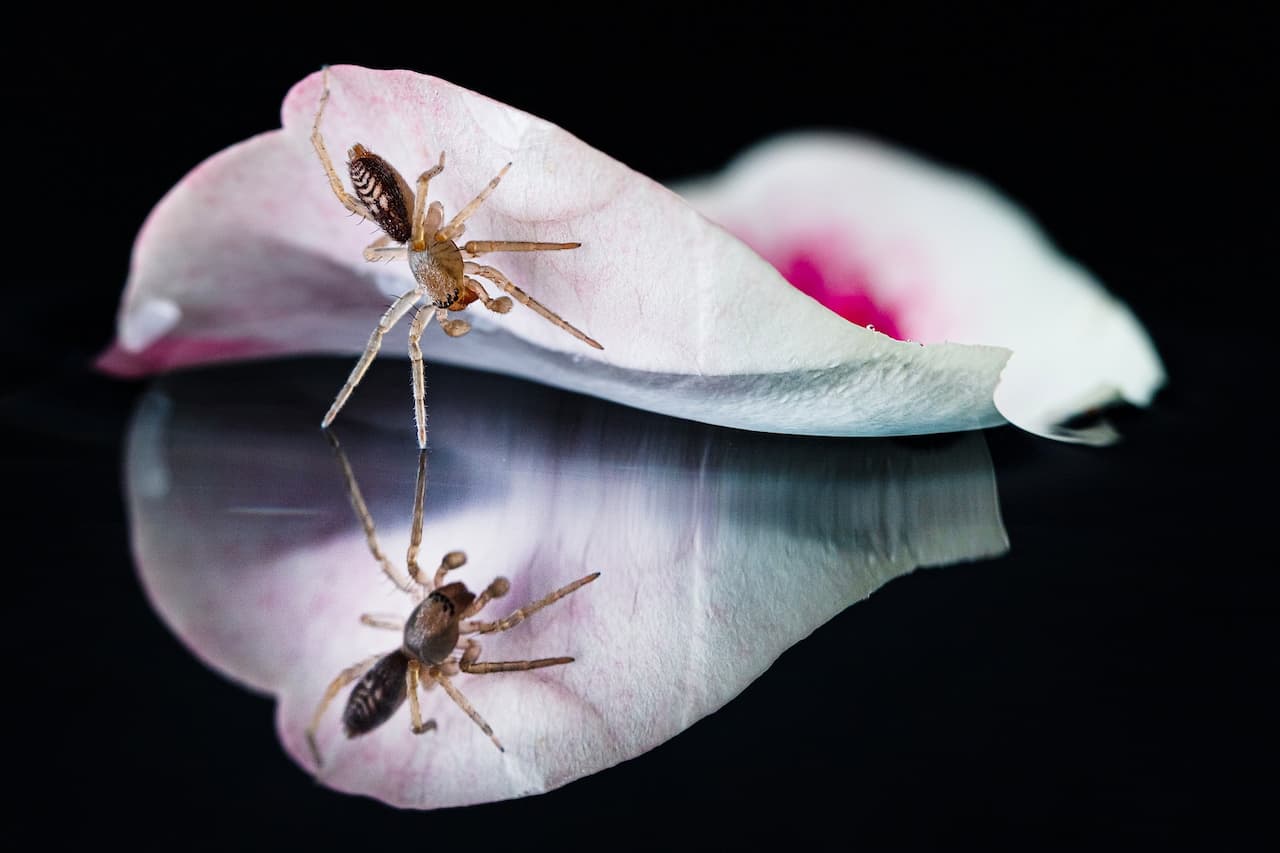
Spiders belong to the class Arachnida and are characterized by having eight legs, two main body segments (the cephalothorax and abdomen), and chelicerae with fangs capable of injecting venom. Their size varies dramatically, from tiny species measuring less than 1 millimeter to large tarantulas with leg spans exceeding 30 centimeters. Many spiders are covered in fine hairs that serve multiple functions, including sensory perception and defense.
Their ability to produce silk is one of their most remarkable traits. Silk is used to build webs, capture prey, create egg sacs, and even form protective retreats. Some species are ground-dwelling hunters without webs, while others build intricate orb webs or funnel webs. The diversity in physical form and behavior offers numerous opportunities for predators to specialize in hunting or scavenging spiders.




Behavior of Spiders
Spiders display a variety of behaviors depending on species. Web-building spiders often remain stationary, waiting to ensnare prey, while hunting spiders actively stalk or ambush their victims. Many spiders exhibit defensive behaviors such as fleeing, hiding, or displaying threatening postures to deter predators. Some species have evolved camouflage coloration or mimicry to blend into their environments or resemble other dangerous animals.
Despite their fearsome image as predators, spiders have numerous natural enemies and must constantly be vigilant. Their behavior is adapted not only to catch prey but also to avoid becoming prey themselves.
Habitat and Distribution
Spiders are found in virtually every terrestrial habitat on Earth, from tropical rainforests and deserts to grasslands and urban areas. Some species have even adapted to aquatic or semi-aquatic environments. Because of their vast range, spiders are exposed to a wide variety of predators, each adapted to hunt them in specific ecosystems.
For example, forest-dwelling spiders may fall prey to insectivorous birds and small mammals, while desert spiders might be hunted by lizards and scorpions. Urban spiders encounter birds, rodents, and predatory insects. This wide distribution underscores the importance of spiders as a food source in many ecological communities.
What Eats a Spider? Predators and Feeding Strategies
Birds
Many bird species actively hunt and consume spiders. Birds such as blue tits, sparrows, and flycatchers frequently incorporate spiders into their diets, especially when feeding chicks, as spiders are rich in protein essential for growth. Birds often pick spiders off webs or vegetation, sometimes carefully avoiding the webs themselves.
Woodpeckers and other insectivorous birds also consume spiders found under bark or in leaf litter. The coloration and behavior of spiders make them both a nutritious and accessible food source for birds in various habitats.
Wasps
Among the most specialized predators of spiders are certain wasps, notably spider wasps (family Pompilidae). These wasps have evolved a remarkable hunting strategy: they locate spiders, sting them to induce paralysis, and then either consume them or use them as living food for their larvae. The female wasp drags the immobilized spider to a burrow or nest, lays an egg on it, and seals the chamber. When the wasp larva hatches, it feeds on the still-living but paralyzed spider, ensuring a fresh food supply.
This parasitic behavior is a fascinating example of evolutionary adaptation and predator-prey interaction, highlighting how wasps have specialized to exploit spiders as a resource.
Mammals and Reptiles
Many small mammals classified as insectivores, such as bats and shrews, consume spiders as part of their diet. Bats, in particular, are nocturnal hunters that use echolocation to find insects and spiders in the dark. Shrews forage through leaf litter and soil, encountering and eating spiders along the way.
Reptiles, including many lizard species and small snakes, also prey on spiders. Lizards often hunt spiders actively, using quick movements to catch them. Some geckos and skinks are known spider predators. These reptiles benefit from spiders as a readily available protein source, especially in insect-rich environments.
Other Invertebrate Predators
Besides wasps, other predatory insects and arachnids consume spiders. Some larger spiders are cannibalistic, preying upon smaller or rival spiders. Certain ants hunt and kill spiders, sometimes raiding webs or invading burrows. Centipedes, known for their aggressive predatory behavior, also consume spiders when opportunities arise.
Primates and Other Vertebrates
Surprisingly, some primate species, including monkeys, occasionally include spiders in their diets. In regions where spiders are abundant, monkeys may catch and eat them as a protein-rich snack. This behavior is less common but demonstrates the broad reach of spiders as prey in the animal kingdom.
Spider Diet and Feeding
While many animals eat spiders, spiders themselves are predominantly carnivorous predators, feeding mainly on insects. Most spiders capture flying or crawling insects such as flies, mosquitoes, moths, and beetles. Web-building spiders rely on their silk webs to trap prey, while hunting spiders use stealth and speed to seize their meals.
Interestingly, a few spider species have adapted to unique feeding niches. For instance, some aquatic spiders can swim and catch small fish or aquatic insects. Large tarantulas and huntsman spiders have been known to prey on small rodents, frogs, or even birds, showcasing the versatility of spider diets.
Reproduction and Life Cycle
Spiders reproduce sexually, with males performing intricate courtship rituals to avoid being mistaken for prey by females. After mating, females lay eggs enclosed in silk egg sacs, which they often guard vigilantly. The number of eggs per sac varies widely among species, from a few dozen to several thousand.
Spiderlings emerge after incubation and often disperse by ballooning—using silk threads to catch the wind and travel to new locations. This dispersal reduces competition and spreads spider populations over wide areas. The life span of spiders ranges from less than a year to several years, depending on species and environmental conditions.
Ecological Role of Spiders
Spiders play a vital ecological role as both predators and prey. By controlling insect populations, they help maintain ecosystem balance and reduce the spread of pest species. Their predation supports agricultural health by limiting crop-damaging insects and disease vectors.
As prey, spiders contribute to the diets of a diverse set of animals, supporting food web complexity. Their interactions with predators like wasps, birds, and mammals illustrate the interconnectedness of ecosystems. The presence of healthy spider populations is often an indicator of environmental quality and biodiversity.
Conservation Status
While most spider species are abundant and widespread, some are threatened by habitat destruction, pollution, and climate change. Specialized species with limited ranges, such as certain cave-dwelling or island spiders, face greater risks. Conservation efforts aimed at preserving natural habitats indirectly benefit spider populations and the larger ecosystems they support.
Raising awareness about the ecological importance of spiders can help reduce misguided fears and promote coexistence. Protecting spiders ensures the continued balance of predator-prey dynamics essential for ecosystem health.
Interesting Facts About Spiders and Their Predators
- Spider Wasps’ Paralysis Technique: Spider wasps inject venom that specifically targets the spider’s nervous system, causing paralysis without killing it. This keeps the prey fresh for their larvae.
- Spiders as Bird Food: Some birds, like the European robin, feed their chicks almost exclusively spiders during breeding season, due to their high protein and nutrient content.
- Spider Cannibalism: Certain spiders, such as the black widow, are notorious for females eating males after mating, but cannibalism also occurs among unrelated individuals.
- Spiders in Human Culture: Spiders have inspired mythology, art, and even technology, including the study of spider silk for creating strong, lightweight materials.
- Spider Defense Mechanisms: Beyond fleeing and hiding, some spiders can shed legs to escape predators, a process known as autotomy.
- Spider Predators’ Adaptations: Some ants use chemical signals to infiltrate spider webs without triggering alarm, allowing them to capture spiders efficiently.