What Eats Frogs? Exploring the Complex Food Web of Our Amphibian Friends
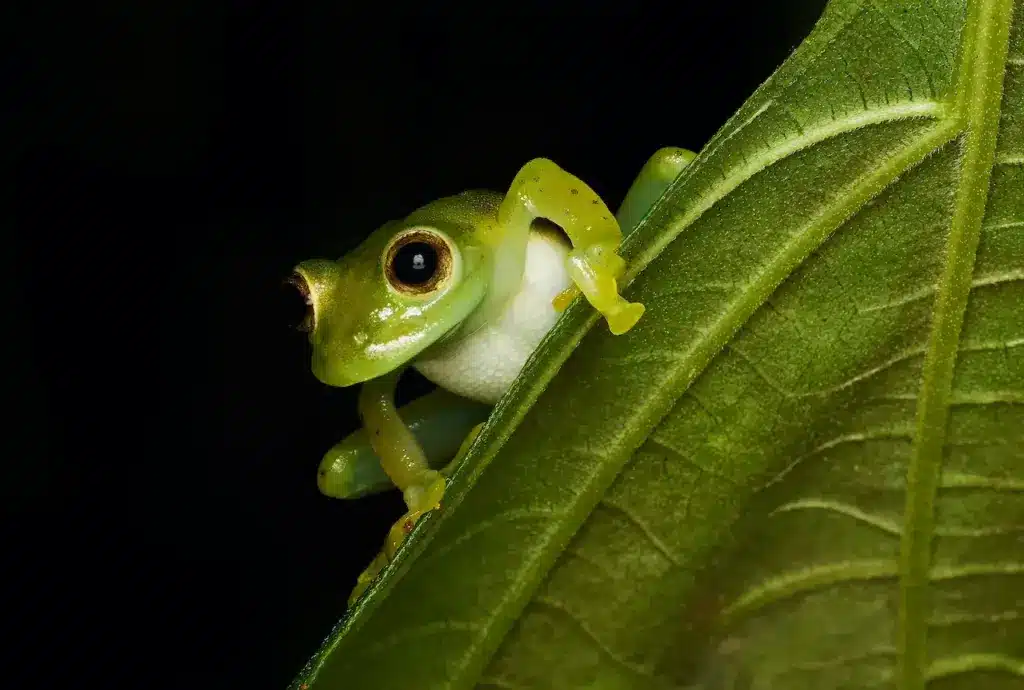
Frogs are fascinating creatures that occupy an essential role in ecosystems across the globe. However, these amphibians often find themselves at the center of a complex and dynamic food web, serving as both predators and prey. Understanding what eats frogs—and what frogs eat—provides valuable insight into ecological balances and the challenges frogs face in the wild.
The Widespread Presence of Frogs
Frogs belong to the order Anura and comprise over 7,000 species globally, varying widely in size, habitat, and dietary habits. From tropical rainforests and temperate wetlands to deserts and mountainous regions, frogs have adapted to an extensive variety of environments. Such ecological diversity means that the types of predators consuming frogs differ significantly across regions, each predator exploiting frogs as a vital component of their diet.
Predators That Feast on Frogs
Despite their impressive leaping abilities and camouflaging skin, frogs are preyed upon by many animals, highlighting their position as both predator and prey in many food webs.




One of the most conspicuous groups of frog predators are wading birds like herons and egrets. These birds possess long, sharp beaks that allow them to swiftly snatch frogs from water bodies and marshes. Herons, for example, use their incredible patience and stealth to ambush frogs basking near the water’s edge. The advantage of their height and slow movements makes them highly effective frog hunters.
Other birds of prey, such as hawks and owls, also occasionally hunt frogs, particularly juvenile frogs or smaller species. Their excellent vision and silent flight enable them to catch unsuspecting frogs during nighttime or at dusk.
Snakes rank among the most well-adapted frog predators. Many snake species, from garter snakes in North America to the keelbacks of Asia, actively hunt frogs. Their methods vary from patiently lying in wait until a frog passes by—a tactic known as ambush predation—to actively seeking out amphibians in moist environments.
Frogs often fall victim to snakes because of the snake’s ability to swallow prey whole, facilitated by highly flexible jaws. In tropical regions, tree-dwelling snakes even prey on arboreal frog species, highlighting the diverse predator-prey relationships frogs are involved in.
Several mammals include frogs in their diets. Otters, for instance, are semi-aquatic mammals adept at fishing; their diet often includes frogs along with fish and crustaceans. Their dexterous paws and sharp teeth make dispatching frogs relatively simple.
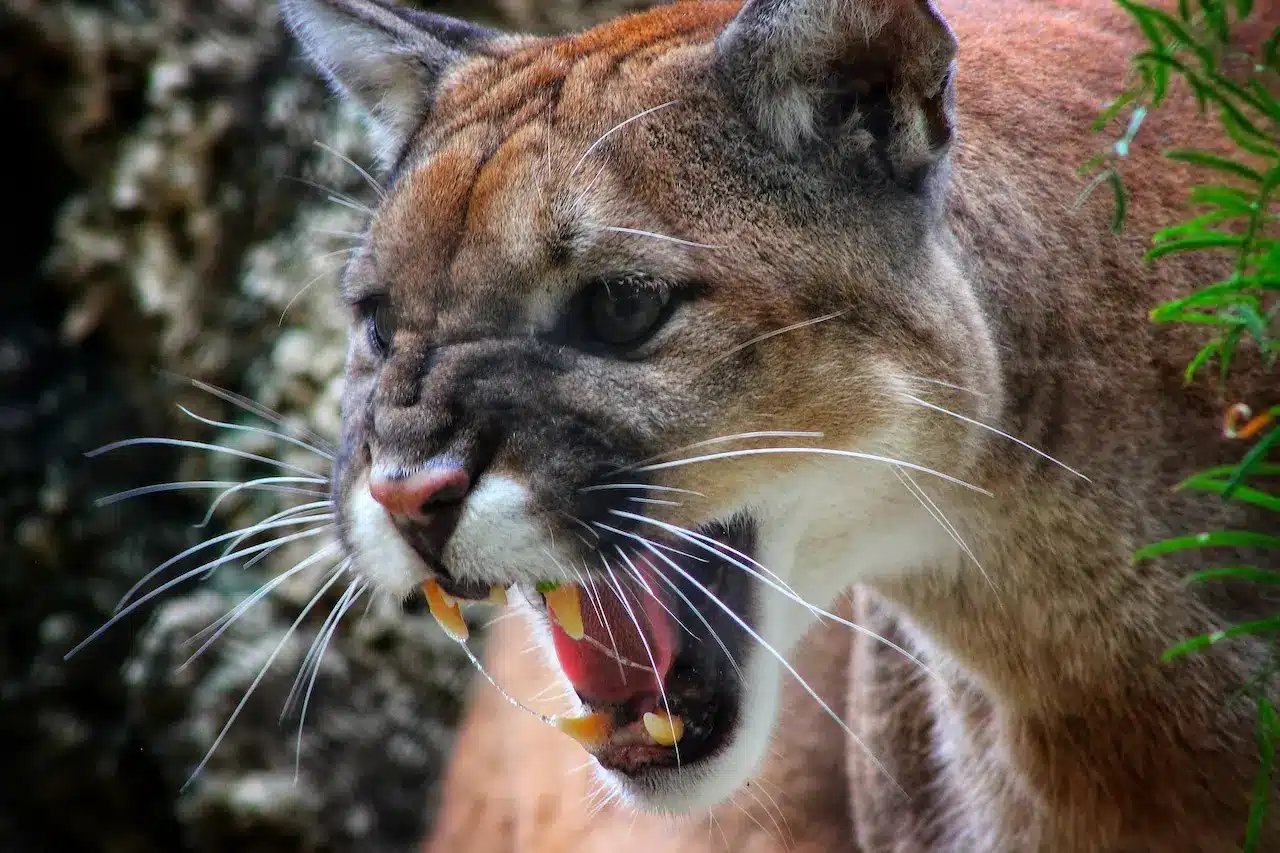
Other mammals such as raccoons, skunks, and even some small carnivores take advantage of the abundance of frogs, especially during the breeding seasons when frogs congregate in large numbers near ponds or streams. These opportunistic feeders use their keen senses to locate and capture frogs, supplementing their diets with these high-protein amphibians.
Frogs themselves are not exempt from becoming predators of their own kind. Some larger frog species, such as the African Bullfrog (Pyxicephalus adspersus), are known to exhibit cannibalistic behavior, eating smaller frogs when food is scarce.
Moreover, substantial frog species can prey upon a wide range of organisms, including insects, small reptiles, and even rodents like mice. For instance, the sizable Goliath frog (Conraua goliath), native to West Africa, can consume small vertebrates, demonstrating the varied diet frogs can have, depending on the species and environmental context.
Frogs and Humans: A Delicacy and Conservation Concern
Humans have long recognized frogs as a valuable food source. Frog legs, renowned for their delicate flavor and tender texture, are considered a delicacy in many parts of the world, including France, China, and parts of the southern United States. This demand has led to commercial frog farming but also to overharvesting of wild frog populations in some regions.
Overharvesting combined with habitat loss and environmental pollution has contributed to a significant decline in global frog populations. This decline has a cascading effect on ecosystems since frogs either control insect populations or serve as prey for many other animals.
What Do Frogs Eat?
Frogs are predominantly carnivorous and have diverse diets largely dependent on their size, habitat, and species. In general, most frogs consume a variety of invertebrates, primarily insects that they catch with their sticky tongues.
Insects such as flies, mosquitoes, beetles, moths, and grasshoppers constitute a significant part of their diet, which highlights frogs’ role as natural pest controllers. Tadpoles, the juvenile aquatic form of frogs, often have different feeding habits, from grazing on algae to filter-feeding particulate matter in water.
Large Frogs and Their Diverse Diets
Some frog species grow large enough to expand their dietary range significantly, incorporating not just insects but also small vertebrates into their diet. For instance, the Cane toad (Rhinella marina), native to Central and South America, is an opportunistic feeder known to consume other frogs, snakes, small mammals, and birds when available.
Some frogs have even been observed preying on small fish or amphibians and reptiles, exhibiting remarkable carnivorous adaptability. This broad diet spectrum helps large frogs survive in competitive environments or during periods of prey scarcity.
Ecological Importance of Frogs in Food Chains
Frogs occupy a critical niche in many ecosystems. They serve as both predators and prey, balancing populations of insects and feeding a wide range of predators. Their biphasic life cycle—spanning aquatic and terrestrial environments—means they link different ecosystems. Tadpoles play a prominent role in aquatic ecosystems by controlling algal growth and serving as prey for fish and invertebrates, while adult frogs impact terrestrial insect populations and influence food availability for larger predators.
Because of this, frog declines can disrupt delicate ecological relationships, resulting in increased insect populations or starvation for frog predators. Conservation efforts aimed at protecting frog habitats and reducing pollution are vital for maintaining these balanced ecosystems.
Conclusion
Frogs, with their wide-ranging habitats and species diversity, are integral components of many food webs worldwide. They face a multitude of predators, from birds and snakes to mammals and even other frogs. In turn, they consume an array of insects and small animals, playing a vital role in controlling pest populations.
Understanding the delicate balance of predator-prey relationships involving frogs not only fosters appreciation for these remarkable amphibians but also underlines the importance of conserving their habitats. Whether in the rainforests of the Amazon, the wetlands of North America, or the rice paddies of Asia, frogs continue to be an essential thread in nature’s intricate web—both as hunters and as meals for others.