Meerkats are always on the lookout for their predators or natural enemies, most of which are large birds of prey. Eagles and other predatory birds attack, kill, and eat meerkats. Meerkat predators also include large snakes and mammals such as hyenas. For more information, see our guide on birds of prey.
If a meerkat is not killed by a predator, it can live to be around 14 years old.
As for what meerkats eat, they eat a variety of smaller creatures, including insects, lizards, and snakes.




A small mammal called a meerkat, standing upright in the scorching sun of southern Africa and gazing at the horizon, is a striking example. Its tall posture, sharp eyes, and alert sense have earned it a place among nature’s most vigilant watchers. Meerkats are not just cute–they represent the delicate balance between predator and prey and survival and cooperation. This blog will explore the meerkats’ survival strategies and unravel what they can teach us about resilience and conservation.
A Closer Look at the Meerkats’ Habitat and Social Life
The Meerkat (Suricata Suricatta) is found in open, dry regions such as the Kalahari Desert and Namib Desert. They are also found in parts of Botswana and Namibia. The temperatures in these regions can fluctuate from scorching heat during the day to cold at night. Few animals can survive under such extreme conditions. Meerkats survive in this harsh environment, not because they can navigate it alone but because they work together.
The small mammals are grouped into matriarchal groups, known as clans or mobs. These groups can have anywhere between 10 and 30 members. The groups usually consist of a dominant pair of breeding animals (a male and a female), a few subordinate adults that help with foraging and babysitting, and several pups and young ones. This social organization is key to their resilience, aided by elaborate, multi-entrance burrow systems that stretch deeply underground–providing refuge from predators, protection from extreme temperatures, and safe nursery spaces for the young.
Communication and constant vigilance are essential for group survival. Subordinates take care of pups while their mothers forage. They take turns being sentries and grooming in groups, which all strengthen their bonds. Alarm calls, which are distinct for aerial threats versus ground threats, set in motion a chain of escape and defensive maneuvers when danger appears. The system they use demonstrates how collective survival is more effective than solitary coping.

Predators in the Sky: Ever-Watching Eyes
Meerkats are constantly threatened from above, despite their strong social bonds. They are easy targets because of their small size and patterns of daylight activity. Raptors with exceptional aerial agility and eyesight will take advantage.
African Fish Eagle
The African Fish Eagle, despite its name suggesting a preference for water, is powerful and opportunistic. It can catch prey both on land and in the water with its powerful, curved beak. A sudden swoop could reveal a group of meerkats sunbathing or gathering around watering holes. Unfortunately, the rapidity of their groupings and alarm calls can make it difficult to react.
Secret Bird
This beautifully elegant predator does not ambush its prey from above, but rather walks down to it. A Secretary Bird, with its long legs and tiger-like kicks, can kill or disable small mammals, including meerkats, in a single stomp. Its visual and persistent hunting style forces meerkats, even when they think they are safe on the ground, to remain alert.
African Hawk Eagle
The African Hawk Eagle is a predator that strikes without warning. It has strong wings and flies at a high speed. It is often found perched on trees or high vantages, scanning for prey moving below. This includes both the ground and burrow entrances. The eagle’s dive is quick and decisive. Meerkats have little time to escape.
In response, meerkats refine their sentry tactics: combining scan patterns, quick response alarms, and an acute understanding of predator behavior through learned experience–especially from observing repeated patterns, such as frequent robin-like calls preceding an eagle attack.
Snakes: Predators Below Ground
Although meerkats tend to be surface dwellers, their underground burrows are not completely safe. Certain snakes have developed stealth tactics that allow them to ambush or penetrate these protected areas.
Boomslang
The Boomslang is a shy but dangerous arboreal serpent. It can enter burrows or wait in low branches for a passing meerkat to attack. The venom of the Boomslang is hemotoxic and causes internal bleeding. Even a single meerkat bite can have serious and often fatal consequences.
Black Mamba
The Black Mambas‘ are known for their speed and aggression. The neurotoxic venom of the Black Mamba disrupts the nervous system and can cause paralysis or death in minutes if not treated. The snake’s fate could be sealed by a curious meerkat or a distracted child who approaches it. This is especially true when children explore too closely into its territory.
Puff Adder
This snake uses a perfect ambush plan to catch its prey by surprise. Puff Adder, Bitis Arietans, often blends in with the underbrush and open ground. The meerkat may not notice the puff adder until it is too late. The venom can be fatal to these small animals within hours.
Meerkats use a variety of strategies to survive. Sentries continuously scan the air and ground for any movement. During risky seasons, older meerkats instruct juveniles on how to identify snake shapes and avoid specific burrow entrances. Alarm calls distinguish snake attacks from bird attacks and allow for specific escape maneuvers to be performed in real time.
Predators on the Land: Lions at your Door? Not Quite, but Still Dangerous
The most dangerous and persistent threats are those that lurk on the ground. They range from sleek cats to clever scavengers, all of which challenge meerkats in different ways.
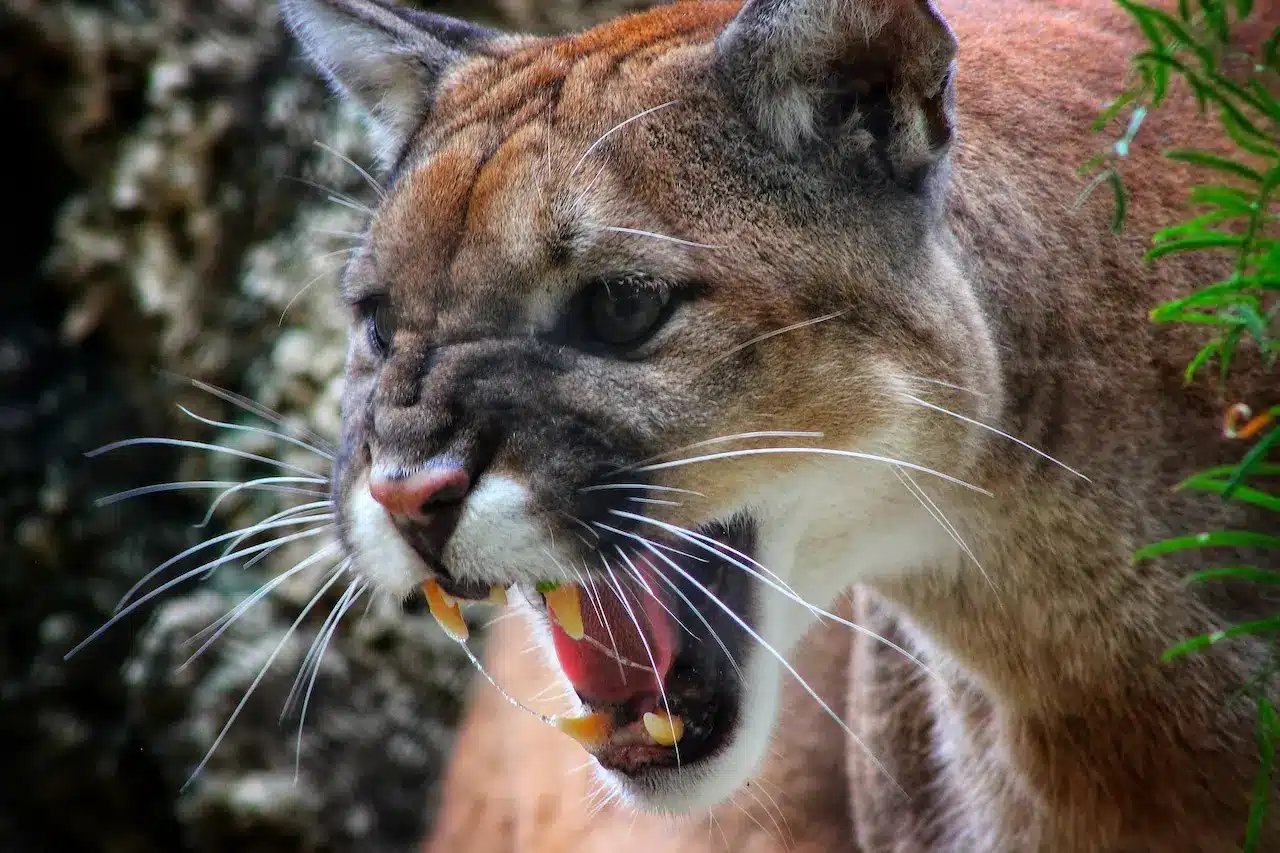
Leopards
Leopards ( Panthera Pardus ) are among Africa’s stealthiest and most adaptable predators. They can hunt everything from rodents to small antelopes. They usually hunt larger mammals but will also attack smaller animals if the opportunity arises, such as an injured or lone meerkat. The ability to climb and excavate extends the hunting range of these animals, which makes their burrow systems appear less secure.
Cheetahs
Cheetahs are not usually the most dangerous predators of meerkats, but they can still surprise them with a surprise attack if they see a meerkat that is too far away from safety or has reduced mobility because of injury. When it comes to easy food, they are opportunistic. According to IUCN Red List, this species is well documented.
Jackals
Jackals are a clever, agile, and persistent species. They wait at the edges of burrows for meerkats. Jackals often hunt in pairs to increase their chances of capturing younger or distracted members. According to WWF, this species is well documented.
Hyenas
Even though they are known to eat carrion, smaller hyenas or juveniles can sometimes prey on meerkats. This is especially true when attracted by scent or movements near burrow entrances. Although not the main threat, the presence of hyenas can add to the risk in the meerkats’ environment.
Survival demands adaptation. Meerkats modify their foraging habits to avoid open areas during times of high predator activity. Some groups move burrows seasonally to decrease consistent predation. The combination of vigilance with learned predator behaviors can add inches to the race for survival.

Black Mamba striking
The Unnatural Threat of Urban Encroachment
Domestic animals are becoming a surprising threat as humans move closer to the traditional meerkat territory. These pets may not be natural predators, but their instincts are deadly.
Domestic Dogs
Dogs may attack or chase meerkats in rural areas near meerkat ranges. This is especially true for pups and those who venture into civilizations. The dogs’ enthusiasm, unpredictability, and strong instinct to chase make them dangerous for these small mammals, which have not evolved defenses.
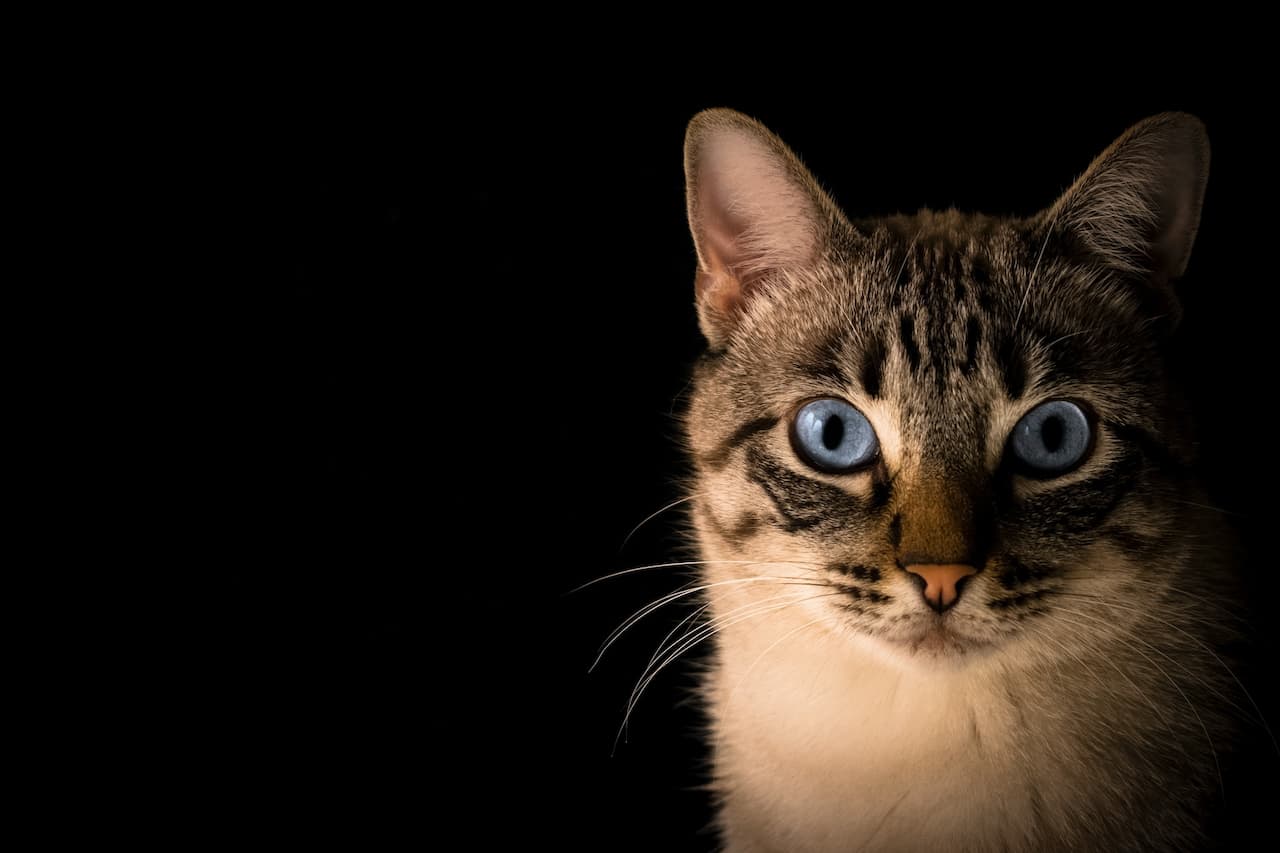
Domestic Cats
Even though they are smaller, feral or semi-feral cats can be very effective hunters. Meerkats, especially juveniles, may be seen as viable prey by these cats. Meerkats are not accustomed to feline predator, and their chances of escaping decrease in these encounters.
These man-made dangers show how the survival of wildlife is increasingly dependent on factors other than natural ecosystems. To protect meerkats, conservation efforts must now address these interactions.
Meerkat Defense Mechanisms: Evolution in Action
What is it that keeps meerkats afloat in the face of such a tumultuous environment? Answer: A suite of survival behaviors and a social system based on flexibility, cooperation, and collective learning.
Sentry system: One meerkat or more stand guard while other meerkats forage. Their alarm calls, which vary in tone depending on whether the bird, snake, or ground predator is present, act as instant signals to trigger group reactions such as scattering, fleeing, or mobbing.
Mobbing: Meerkats can mob snakes or smaller predators. Barking, rushing, and confrontational behaviour can overwhelm or drive away less determined predators.
Burrow Design: Their underground homes, with complex tunnels and multiple exits, provide both escape routes and temperature-controlled shelter–key features a predator must overcome to reach them.
Cultural learning: The transmission of survival skills – from threat recognition to response pattern – occurs across generations. The young meerkats are taught not only by their biological instincts but also through direct observation and group instruction.
The meerkats’ dynamic defenses don’t remain static. They adapt quickly to threats, changes in the environment, and community losses. This is an example of adaptive social intelligence that is rarely seen in small mammals.

What Meerkats Teach Us about Conservation and Survival
In the wild, many meerkats only live 6-8 years. They can live up to 14years in captivity. This disparity is due to the constant pressure from predators, diseases, droughts, and human interference. Meerkats are remarkably resilient, despite their short lifespans. They have developed complex social structures and survival techniques that show off their adaptability.
The Kalahari Meerkat Project and conservation programs in Botswana have all helped to raise awareness about meerkats and their environmental challenges. Conservationists can use their popularity to engage the public in conservation efforts and inspire action.
Understanding meerkats doesn’t mean you’re obsessed with death. It’s about understanding life’s interdependence, adaptability, and vulnerability. The world of the meerkat is a microcosm for ecosystem dynamics, including predators, prey, habitats, cooperation, and change. We protect the meerkat by protecting a wider web of life. This includes stories of survival and kinship.
Conclusion
Meerkats are small, alert, and intensely social. They represent a delicate yet powerful balance in nature’s dangers. Each morning in the Kalahari, an old sentry scans the horizon. Every day, a symphony is played out of alerts and forays.
We are reminded by the challenges of nature against ingenuity when we explore who eats meerkats. Their vigilance reminds us that survival is not just about strength. It’s also about cooperation, adaptation, knowledge, and timing.
The meerkats’ struggle is also our story as habitats shrink and ecologies change. It is important to protect these creatures and their habitats, both as an ecological necessity, but also as a moral legacy, for future sentries – human and meerkat.