“`html
What Eats Owls? Understanding the Predators and Prey of These Mysterious Birds
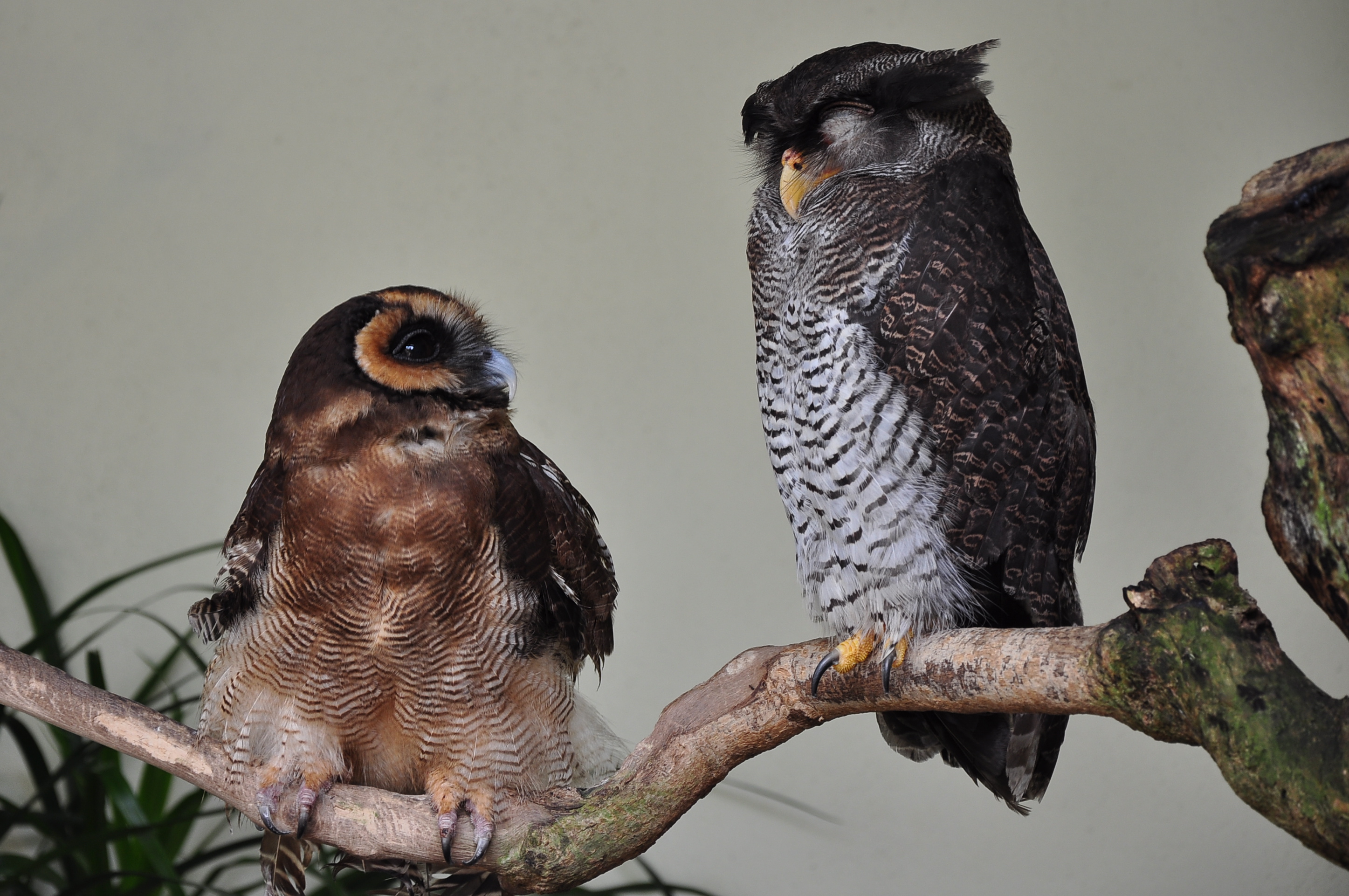
When we think of owls, images of silent nocturnal hunters come vividly to mind—masters of the night sky with piercing eyes and soft feathers engineered for stealth. But as formidable as they appear, even owls face risks in the wild. This raises the intriguing question: What eats owls? Conversely, understanding what owls eat reveals their vital role within ecosystems as apex or mesopredators controlling populations of small mammals and birds.
Do Owls Have Predators? Who Eats Owls?
Owls occupy a unique niche as both predators and, in select instances, prey. Thanks to their size, strength, and nocturnal habits, adult owls generally have very few natural enemies. However, predation can and does occur under certain ecological circumstances.



Birds of Prey as Owl Predators
One of the principal threats to owls—especially smaller species—comes from larger raptors. Some eagles, such as the golden eagle (Aquila chrysaetos), and large hawks have been documented preying upon owls. Additionally, larger owls may sometimes prey upon smaller owl species. For example, the great horned owl (Bubo virginianus), a powerful and versatile predator native to North and South America, is known for hunting smaller owls like the eastern screech owl (Megascops asio).
This phenomenon, known as intraguild predation, occurs when predators that share similar prey also compete by occasionally killing each other. It plays an important role in maintaining population dynamics and community structures among raptors.
Snakes and Other Reptilian Predators
Owls’ eggs and nestlings are particularly vulnerable to predation because they cannot defend themselves effectively. Arboreal snakes—those capable of climbing trees—pose a considerable threat. Species such as rat snakes (Pantherophis spp.) and vine snakes frequently raid owl nests during breeding seasons. By consuming eggs and nestlings, these reptiles can impact local owl populations, especially if predation pressure coincides with habitat disturbance.
Other predators on young owls may include mammals capable of accessing nests, such as raccoons (Procyon lotor) and weasels (Mustela spp.), adding further risk during vulnerable life stages.
Rare and Opportunistic Predators
There are occasional reports of mammals like foxes and wild cats attacking injured or grounded owls. However, due to the owl’s nocturnal and often solitary behavior, such encounters are relatively uncommon. Human-related threats such as vehicle collisions and habitat destruction arguably present greater mortality risks today.
Owls’ Dietary Habits: What Do Owls Eat?
Understanding what owls eat not only illuminates their ecological role but also how they impact ecosystems through their predatory habits. Most owls are carnivorous, with diets that primarily consist of small mammals, birds, insects, and sometimes amphibians and fish. Their diet varies widely depending on species, habitat, and availability of prey.
Small Mammals as Primary Prey
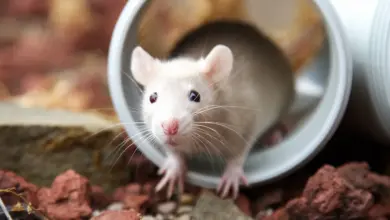
Rodents are the cornerstone of many owl diets. Species such as voles, mice, rats, and shrews constitute the bulk of prey for many owl species, particularly barn owls (Tyto alba), great horned owls, and tawny owls (Strix aluco). For example, barn owls are often referred to as “rodent control specialists” because their hunting success helps regulate rodent populations across farmlands and grasslands globally.
By consuming large numbers of these small mammals, owls help prevent agricultural damage and limit populations of disease-carrying rodents, offering invaluable ecological services to humans and natural communities alike.
Birds and Other Vertebrates
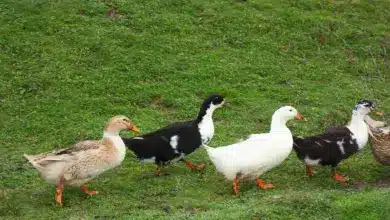
Owls also prey on other birds, both smaller species and sometimes those comparable in size, especially during scarce rodent availability. For instance, the great horned owl’s diet includes other birds such as pigeons, ducks, and songbirds.
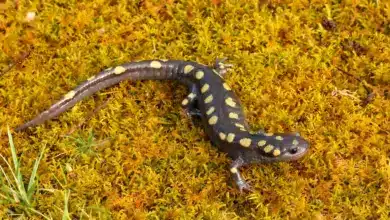
Amphibians like frogs and reptiles such as lizards may also be eaten opportunistically. Fish-eating owls, like the fishing owl (Scotopelia spp.) of Africa, show specialized adaptations for catching aquatic prey, such as sharp talons designed for gripping slippery fish.
Invertebrates and Insects
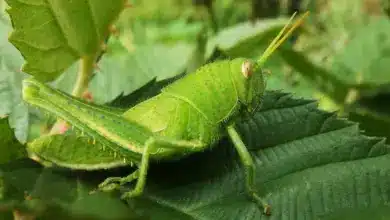
Smaller owl species, such as the elf owl (Micrathene whitneyi), primarily consume insects including moths, beetles, crickets, and grasshoppers. During summer months, when insect populations boom, owls may switch to insectivory, showcasing their dietary flexibility.
The Ecological Significance of Owl Predation
Owls function as important mesopredators in many ecosystems. Their predation on rodents helps regulate population cycles, thereby preventing overgrazing on vegetation and reducing crop damage. Moreover, the indirect effects of owl presence can influence habitats by altering prey behavior.
Conversely, owls themselves contribute to food webs by providing prey for apex predators. While infrequent, predation on owls sustains larger raptors and carnivores, contributing to ecosystem stability.
Adaptations Helping Owls Evade Predators
Owls boast a range of remarkable adaptations that reduce their vulnerability to predation:
- Silent Flight: Specialized feather structures reduce noise, allowing owl movement with near invisibility.
- Camouflage Plumage: Their mottled and muted coloration blends with tree bark and foliage.
- Strong Talons and Beak: These provide powerful defense when threatened.
- Nocturnal Activity: Hunting at night limits encounters with many diurnal predators.
- Large Eyes and Acute Hearing: These senses enhance prey detection but also awareness of approaching threats.
Conclusion
In summary, while owls are formidable predators themselves, they are not entirely free from predation. Large eagles, raptors, climbing snakes, and nest predators target owls at various life stages, especially juveniles and eggs. Nonetheless, their combination of physical, behavioral, and ecological adaptations makes them a rarely targeted prey group.
Owls’ diets highlight their key ecological roles controlling populations of small mammals, birds, insects, and other prey. By maintaining the balance between predator and prey, owls contribute significantly to healthy ecosystems worldwide, underscoring why these enigmatic birds have fascinated people for centuries.
If you’re interested in learning more about owls—their behavior, role in nature, and conservation status—consider exploring local birdwatching groups, consulting wildlife biology resources, or supporting conservation initiatives aimed at protecting owl habitats.
“`