Overview and Introduction
The walrus (Odobenus rosmarus) is one of the most iconic marine mammals of the Arctic, recognized for its distinctive long tusks, whiskered face, and massive size. These fascinating creatures play a vital role in the Arctic ecosystem and have intrigued scientists and nature enthusiasts alike. One compelling question about walruses is: what eats a walrus? While they are formidable animals with few predators, walruses are not invincible. This article delves deep into the predators of the walrus, the animal’s physical characteristics, behavior, diet, habitat, and much more.
Physical Characteristics
Walruses are among the largest pinnipeds, with adult males (bulls) weighing up to 1,700 kilograms (3,750 pounds) and females (cows) slightly smaller. Their bodies are covered with thick, wrinkled skin that can be up to 4 centimeters (1.5 inches) thick, providing insulation against the frigid Arctic waters. Beneath this skin lies a substantial layer of blubber that helps maintain body heat.
One of the walrus’s most striking features is its long, curved tusks, which are actually elongated canine teeth. Both males and females have tusks, which can grow up to 1 meter (3.3 feet) in length. These tusks serve multiple purposes: defense against predators, dominance displays during mating season, and helping the walrus haul itself onto ice floes.




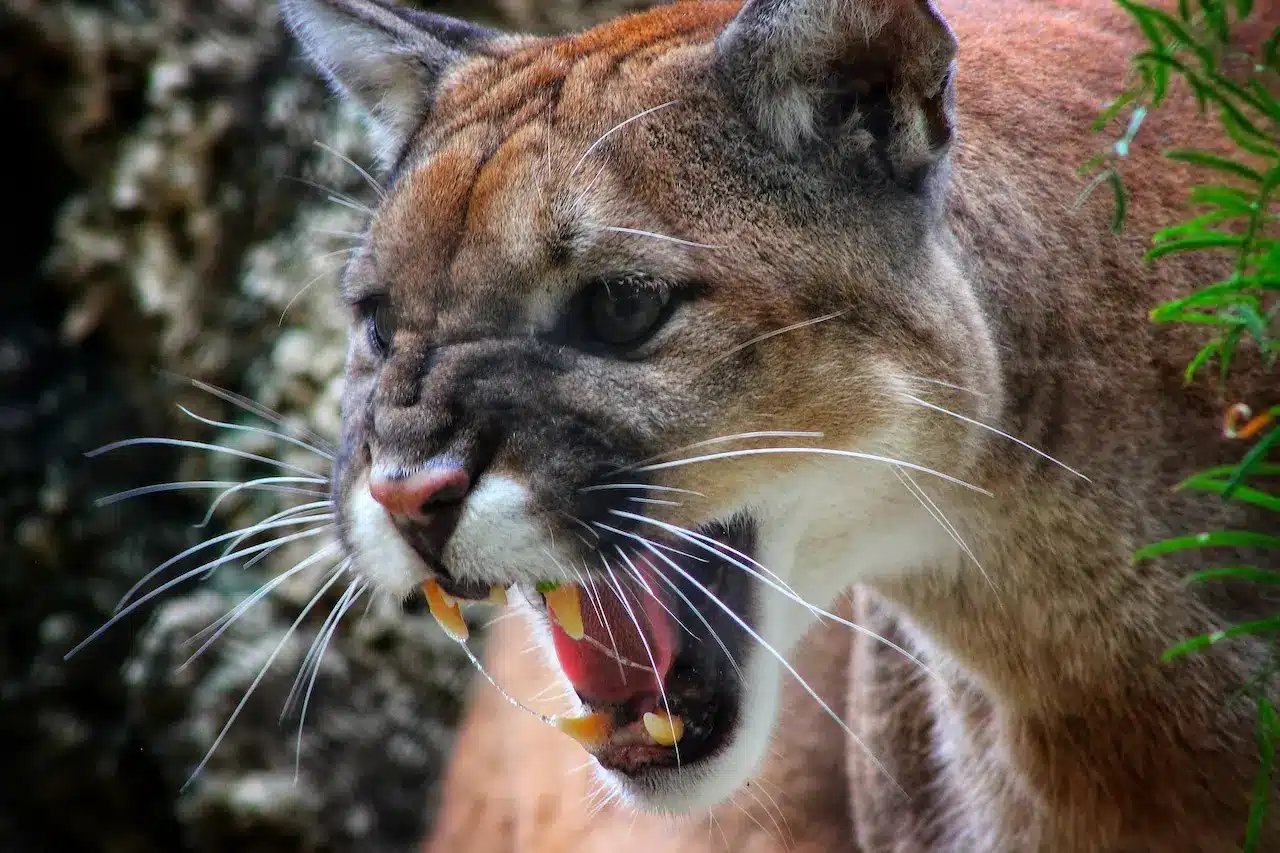

Additionally, walruses have a robust set of vibrissae—thick, sensitive whiskers—that they use to detect prey on the ocean floor. Their powerful flippers enable them to swim with surprising agility despite their bulk.
Behavior
Walruses are highly social animals, often found in large herds that can number in the hundreds or even thousands. They spend much of their time resting on ice floes or beaches, basking in the sun, and engaging in social behaviors such as vocalizing, touching, and mock fighting.
These animals are also excellent divers; they can plunge to depths of over 80 meters (260 feet) in search of food, holding their breath for up to 30 minutes. At the ocean floor, walruses use their sensitive whiskers to locate prey through tactile sensation rather than sight, which is limited in the dark underwater environment.
Habitat and Distribution
Walruses inhabit the cold Arctic Ocean and subarctic seas surrounding North America, Greenland, and Russia. There are two main subspecies: the Atlantic walrus (Odobenus rosmarus rosmarus) found primarily in the Atlantic Ocean regions, and the Pacific walrus (Odobenus rosmarus divergens), which occupies the Bering and Chukchi Seas.
Walruses prefer shallow coastal areas where the seafloor is rich in mollusks and other benthic organisms. They rely heavily on sea ice as a platform for resting, breeding, and molting. Seasonal migrations occur as ice conditions change, with walruses traveling hundreds of kilometers to find suitable habitat.
Diet and Feeding
Walruses are benthic feeders, primarily consuming a diet of mollusks such as clams, mussels, and snails. They use their powerful suction to extract soft-bodied prey from their shells. In addition to mollusks, walruses may also eat worms, crustaceans, sea cucumbers, and occasionally fish or carrion.
Feeding usually takes place on the ocean floor, where walruses use their sensitive whiskers to detect prey hidden in the sediment. Their strong front flippers help them dig through the seabed to uncover food. Although walruses are not fast swimmers, their diving ability allows them to reach rich feeding grounds inaccessible to many other predators.
Reproduction
Walruses have a relatively slow reproductive rate. Mating occurs during the winter months, and females experience a delayed implantation, meaning the fertilized egg does not immediately implant in the uterus. This adaptation allows calves to be born in the spring or early summer when conditions are more favorable.
Gestation lasts about 15 to 16 months, after which a single calf is born, weighing around 45 to 75 kilograms (100 to 165 pounds). Calves are nursed for up to two years and remain dependent on their mothers for protection and guidance. Sexual maturity is reached between 5 and 10 years of age.
What Eats a Walrus? Predators and Threats
Despite their intimidating size and tusks, walruses do have natural predators, although these are limited. The two primary predators of walruses are:
Polar Bears
Polar bears (Ursus maritimus) are the most significant natural predator of walruses on land and ice. However, they tend to avoid attacking adult walruses because their long tusks and sheer size make them dangerous opponents. Instead, polar bears often target young, sick, or injured walruses that are easier to overpower.
Polar bears use stealth and patience, attempting to isolate a vulnerable walrus from the herd. In rare cases, especially during times of food scarcity, large and hungry polar bears have been documented successfully attacking and killing full-grown walruses. These encounters are risky and require great strength and strategy.
Orcas (Killer Whales)
Orcas (Orcinus orca), also known as killer whales, are expert hunters and the only marine predators that regularly prey on walruses. Orcas attack walruses primarily in the water, using coordinated hunting tactics. They may target young or weakened individuals or sometimes attempt to separate a walrus from a group.
Orca pods work together to exhaust or isolate their prey. While adult walruses are formidable, orcas’ intelligence, speed, and group hunting strategies often give them the upper hand. However, orca attacks on walruses are relatively infrequent due to the risks involved in tackling such large and powerful prey.
Other Threats
Besides natural predators, walruses face threats from humans. Indigenous Arctic communities have hunted walruses sustainably for thousands of years, relying on them for food, clothing, and tools. However, increased commercial hunting in the past centuries severely reduced walrus populations.
Today, climate change poses a significant threat to walruses. The rapid loss of sea ice due to global warming affects their resting and breeding habitats, forcing them to congregate in crowded coastal haul-out sites where they are vulnerable to stampedes and increased predation risks.
Ecological Role
Walruses play a critical role in the Arctic marine ecosystem. Their feeding behavior helps maintain the balance of benthic communities by controlling populations of mollusks and other invertebrates. By disturbing the seafloor sediment during feeding, they also contribute to nutrient cycling and influence the structure of the benthic habitat.
As a prey species, walruses provide an important food source for apex predators like polar bears and orcas. Their presence influences predator behavior and distribution in the Arctic.
Conservation Status
The International Union for Conservation of Nature (IUCN) currently lists the walrus as a species of “Vulnerable” due to the ongoing threats of climate change and habitat loss. While some populations remain stable or are recovering due to regulated hunting, others face significant pressures.
Efforts to protect walruses include international agreements that limit hunting, establish marine protected areas, and monitor populations. Conservationists emphasize the importance of addressing climate change to preserve the sea ice habitats essential to the walrus’s survival.
Interesting Facts About Walruses
- Tusks are multifunctional: Walrus tusks are used not only for defense and mating displays but also to help haul their massive bodies out of the water onto ice.
- Whiskers as sensory tools: The walrus’s vibrissae are among the most sensitive in the animal kingdom, allowing them to detect prey buried in dark, muddy ocean floors.
- Social animals: Walruses often form large herds, sometimes numbering in the thousands, making them some of the most gregarious pinnipeds.
- Long dives: Walruses can hold their breath for up to 30 minutes and dive to depths exceeding 80 meters to find food.
- Ancient creatures: Walruses have existed in some form for over 15 million years, adapting to life in the harsh Arctic environment.