Introduction: What Eats Rabbits?
Rabbits are a common and vital part of many ecosystems, serving as both herbivores and prey. Their role as a food source for a variety of predators makes them an essential link in the food chain. Understanding what eats rabbits provides insight into predator-prey dynamics and the balance of wildlife populations.
Physical Characteristics of Rabbits
Rabbits belong to the family Leporidae and are small mammals characterized by their long ears, powerful hind legs, and short, fluffy tails. They typically have soft fur that can range in color from brown and gray to white, helping them blend into their environments. Their large eyes are positioned on the sides of their heads, providing a wide field of vision to detect approaching predators. Adult rabbits generally weigh between 2 to 4 pounds, though sizes vary by species.
Behavior of Rabbits
Rabbits are crepuscular, meaning they are most active during dawn and dusk. This behavior helps them avoid many daytime predators. They are social animals, often living in groups called warrens, which provide protection and communal warmth. When threatened, rabbits rely on their speed and agility, capable of running up to 35 miles per hour in short bursts and using sharp changes in direction to evade predators. They also thump their hind legs on the ground to warn others of danger.





Habitat and Distribution
Rabbits are adaptable creatures found worldwide, primarily in North America, Europe, Australia, and parts of Asia and Africa. They inhabit a variety of environments including forests, grasslands, deserts, and wetlands. Their preference is for areas with dense vegetation to provide cover from predators. Some species, like the European rabbit, have been introduced to new regions where they have become invasive, impacting local ecosystems.
Diet and Feeding Habits
Rabbits are herbivorous browsers, feeding mainly on a wide variety of grasses, leaves, herbs, and woody plants. Their diet changes seasonally; in the spring and summer, they consume fresh green vegetation, while in winter, they rely more on bark, twigs, and buds. Rabbits practice coprophagy, consuming special fecal pellets called cecotropes to digest their food more fully and extract necessary nutrients. This unique digestive process helps them thrive on a low-nutrient diet.
Reproduction and Life Cycle
Rabbits are known for their prolific breeding. They have a short gestation period of about 28 to 31 days, and females can produce multiple litters per year, often with 4 to 12 kits (baby rabbits) per litter. Young rabbits are born blind, hairless, and helpless, relying entirely on their mother’s care. Rapid growth and early sexual maturity mean that rabbits can quickly replenish populations, compensating for high predation rates.
What Animals Eat Rabbits?
Rabbits are a favored prey species for a diverse array of predators across their range. Their relatively small size and abundance make them an important food source.
Predatory Mammals
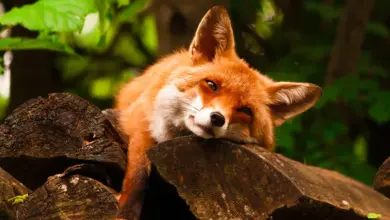
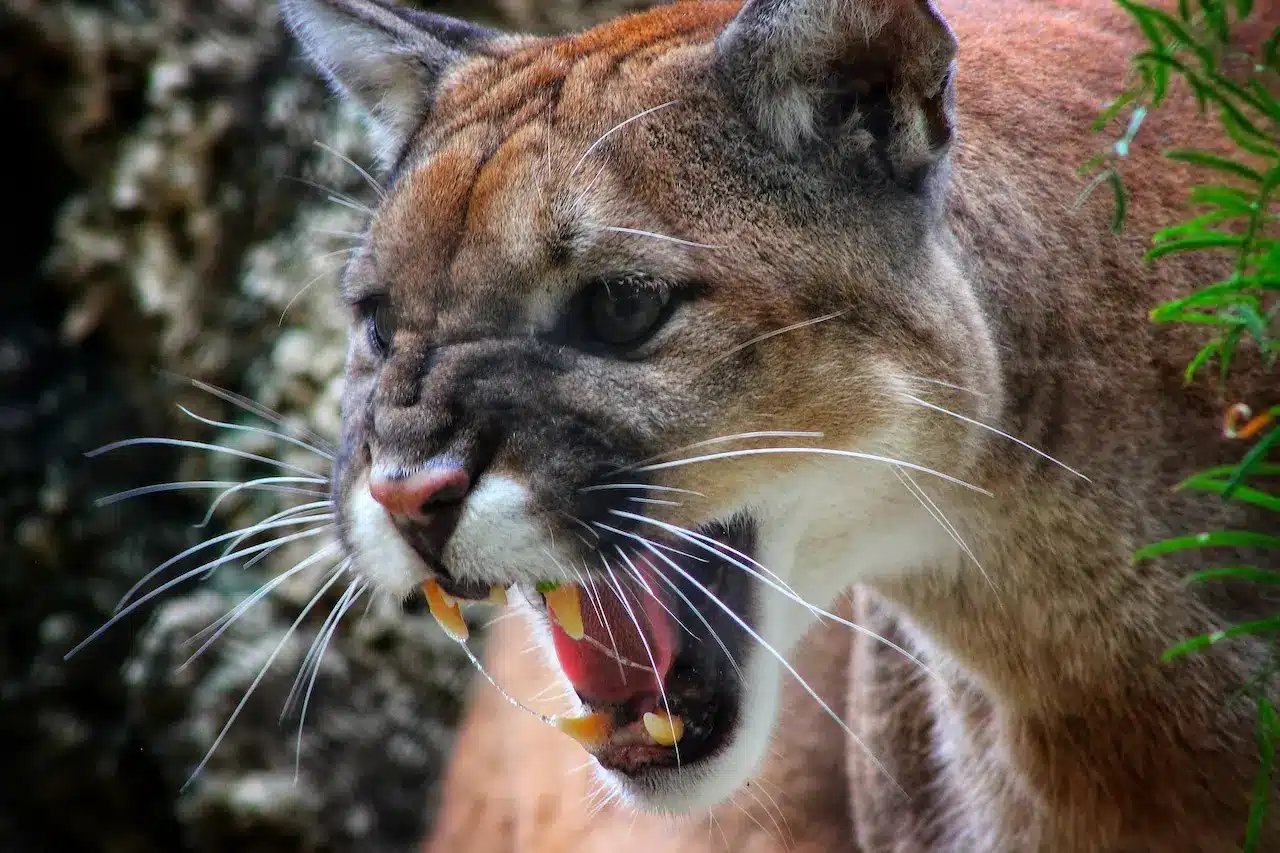
Many carnivorous mammals actively hunt rabbits. This includes members of the cat family such as bobcats, cougars (mountain lions), leopards, and lynxes. These stealthy hunters rely on their agility and sharp senses to capture rabbits. Dog-like predators, including coyotes, foxes, and dingoes, also frequently prey on rabbits. These predators often hunt in pairs or small groups, increasing their chances of success.
Birds of Prey
Rabbits are also vulnerable to avian predators. Eagles, hawks, owls, and other raptors hunt rabbits using their keen eyesight and powerful talons. For example, the golden eagle is known to take rabbits as a significant part of its diet, especially in open habitats. Owls hunt rabbits mostly at night, taking advantage of the rabbits’ crepuscular activity.
Reptilian Predators
Various snakes also prey on rabbits. Both venomous snakes, such as rattlesnakes, and constrictors, like pythons and boas, can capture rabbits. Large snakes rely on ambush tactics, waiting for rabbits to come close before striking. This predation is more common in warmer climates where such snakes are prevalent.
Other Predators
In some ecosystems, other animals such as weasels, badgers, and even large birds like crows and ravens may prey on young or weakened rabbits. Domestic animals, including feral cats and dogs, can also impact wild rabbit populations.
Ecological Role of Rabbits
Rabbits play a crucial role in their ecosystems. As herbivores, they help control vegetation growth and contribute to seed dispersal. Their grazing creates open areas in dense vegetation, benefiting other species. Importantly, rabbits are a keystone prey species, meaning their presence supports populations of many predators. Fluctuations in rabbit numbers can have cascading effects throughout the food web.
Conservation Status
Most rabbit species are not currently endangered and are considered of least concern by conservation organizations. However, some species, such as the riverine rabbit of South Africa, are critically endangered due to habitat loss and predation pressures. Additionally, rabbits introduced to non-native environments, like Australia, have become invasive pests, causing ecological damage and prompting extensive control efforts.
Interesting Facts About Rabbits and Their Predators
- Rapid Reproduction: A single pair of rabbits can produce up to 800 offspring in a year under ideal conditions.
- Rabbit Defense: Besides speed, rabbits use camouflage and stay very still to avoid detection by predators.
- Predator Adaptations: Bobcats have specially adapted paws with retractable claws to silently stalk rabbits.
- Raptor Hunting Techniques: Eagles can dive at speeds exceeding 150 miles per hour to snatch rabbits from the ground.
- Survival Strategy: Some rabbit species have evolved to breed even more rapidly when predator numbers increase, a survival mechanism called “predator satiation.”
Conclusion
Rabbits are a fundamental component of many habitats around the world. Their role as prey for a wide range of predators underscores their importance in maintaining ecological balance. Understanding the predators that feed on rabbits, as well as the rabbits’ own behavior and adaptations, highlights the intricate relationships within natural ecosystems. Despite the challenges they face, rabbits continue to thrive and support biodiversity wherever they live.