Overview and Introduction
Vultures are often misunderstood creatures, known primarily for their scavenging habits and striking appearance. These birds play a crucial role in ecosystems by consuming carrion, thus preventing the spread of disease. But what about vultures themselves—what eats a vulture? This question offers insight into their place in the food chain and their natural defenses. This article explores the predators of vultures, their physical characteristics, behavior, habitat, diet, reproduction, ecological significance, and conservation status, providing a comprehensive understanding of these fascinating birds.
Physical Characteristics
Vultures are large birds, often characterized by their broad wingspans and featherless heads. The lack of feathers on their heads is an adaptation to their scavenging lifestyle, helping them stay clean while feeding on carcasses. Depending on the species, vultures can range in size from about 20 inches (50 cm) in length to over 4 feet (1.2 meters) in wingspan, as seen in the Andean condor, the largest vulture species.
They have strong, hooked beaks designed for tearing flesh, and their feet are adapted more for walking and gripping than for hunting live prey. Their keen eyesight allows them to spot carrion from great heights. The coloration of vultures varies, with some having dark brown or black plumage and others, like the griffon vulture, sporting lighter feathers.



Adaptations for Survival
Vultures possess several adaptations that enhance their survival. Their highly acidic stomachs can digest decaying meat infected with dangerous bacteria, protecting them from pathogens. Their featherless heads reduce the risk of bacterial infection, as feathers could trap harmful substances. Additionally, vultures emit a strong odor which deters many potential predators.
Behavior
Vultures are social birds, often seen feeding in large groups on carcasses. They are diurnal, using thermal updrafts to soar effortlessly for hours while searching for food. Their soaring behavior conserves energy and allows them to cover vast areas. When feeding, vultures display a hierarchy, where dominant individuals eat first while others wait their turn.
These birds communicate through body language and sometimes vocalizations, although many vultures are relatively silent. Some species, like the Turkey vulture, use their keen sense of smell to detect carrion, a rare trait among birds.
Habitat and Distribution
Vultures are found on every continent except Antarctica and Australia. Their habitats range from savannas and deserts to mountain ranges and open woodlands. Different species have adapted to diverse environments:
- Old World vultures (family Accipitridae) inhabit Africa, Asia, and Europe.
- New World vultures (family Cathartidae), including the iconic California condor and turkey vulture, are native to the Americas.
These birds prefer open areas where they can easily locate carrion and soar on thermal currents. Some species, like the Andean condor, are found at high altitudes in mountainous regions, often nesting on cliff faces.
Diet and Feeding Habits
Vultures are obligate scavengers, meaning they rely almost exclusively on carrion—the dead flesh of animals. They feed on a variety of carcasses, from small mammals to large ungulates like deer, cattle, and buffalo. Remarkably, vultures can consume meat in advanced stages of decomposition, which many other predators avoid.
Their digestive systems neutralize harmful bacteria such as anthrax and botulism, allowing them to safely consume carrion that would be lethal to other animals. This makes vultures vital in maintaining ecosystem health by recycling nutrients and preventing the spread of disease.
What Eats Vultures?
While vultures are formidable in their own right, they are not completely free from predation. However, few animals actively hunt adult vultures due to their large size, strong beaks, and sometimes offensive smell. Predators tend to target the more vulnerable young vultures or eggs.
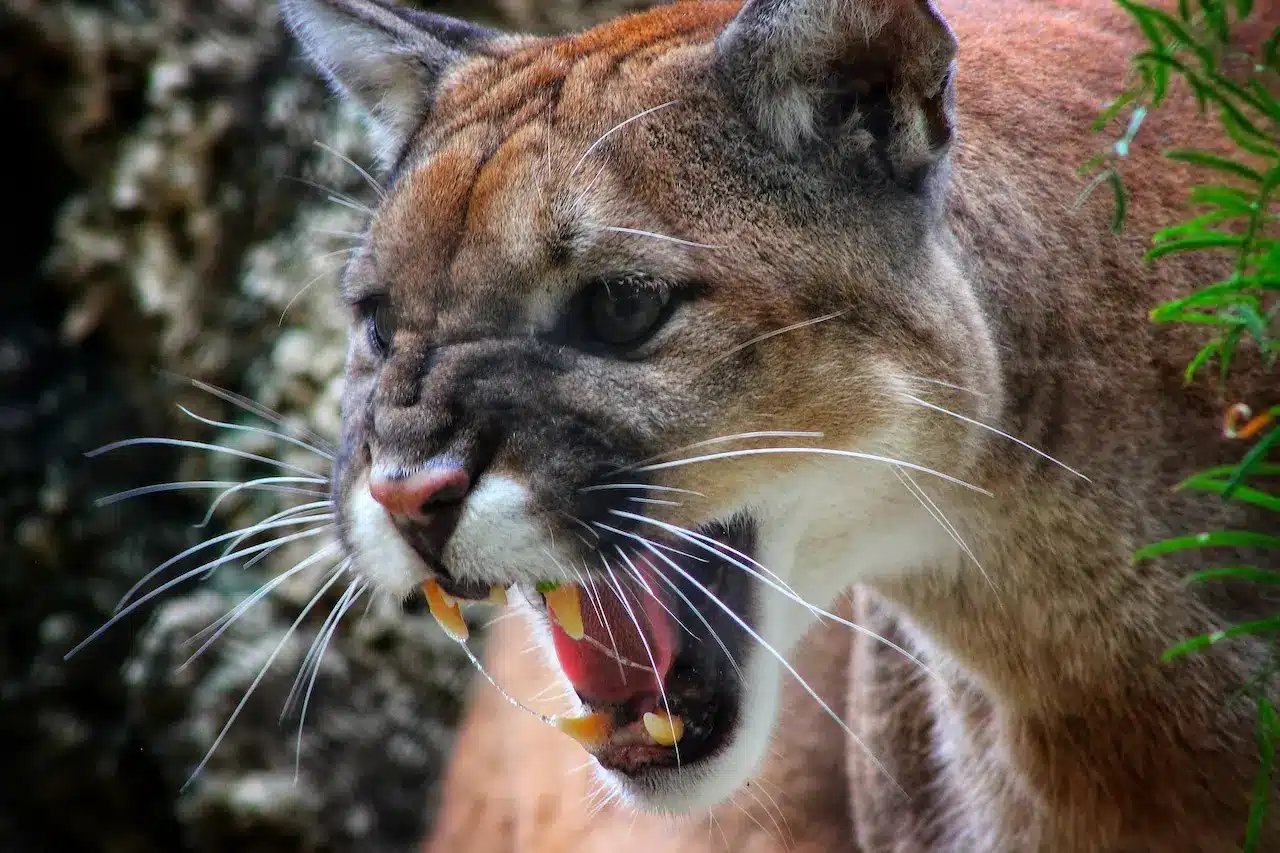
Birds of prey such as hawks, eagles, and owls may steal or prey upon vulture chicks in nests. For example, the crowned eagle, native to African forests, is known to occasionally prey on nestlings of larger birds, including vultures. Similarly, mammalian predators like raccoons or large cats might raid nests on rare occasions.
Adult vultures are generally safe from predators, but in rare instances, large carnivores such as lions or hyenas might attack an injured or weakened individual. Additionally, humans pose a significant threat through habitat destruction and poisoning.
Reproduction
Vultures typically have low reproductive rates, often laying only one or two eggs per breeding season. They build nests in secluded areas such as cliffs, tall trees, or caves, providing safety from many ground predators. Some species, like the Andean condor, use ledges and crevices on cliffs for nesting.
Both parents share incubation duties, which can last anywhere from 40 to 60 days depending on the species. After hatching, the chick remains dependent on parental care for several months before fledging. The slow reproductive cycle makes vultures particularly vulnerable to population declines.
Ecological Role
Vultures are nature’s cleanup crew. By consuming dead animals quickly, they prevent carcasses from becoming breeding grounds for disease-causing organisms. This scavenging reduces the risk of outbreaks of diseases that could affect wildlife, livestock, and even humans.
In some ecosystems, vultures also indirectly benefit other scavengers by opening carcasses, allowing access to smaller animals such as insects and mammals. Their role in nutrient cycling is essential for maintaining the balance in many habitats.
Conservation Status
Many vulture species are currently facing serious conservation challenges. Habitat loss, poisoning (both intentional and accidental), collisions with wind turbines and power lines, and hunting have led to dramatic population declines worldwide.
For example, the Indian vulture populations plummeted by over 95% in the 1990s due to poisoning from the veterinary drug diclofenac, which caused kidney failure in birds that consumed treated livestock carcasses. Conservation efforts, including banning harmful drugs, captive breeding programs, and habitat protection, are underway to try and save endangered species like the California condor and the white-rumped vulture.
Interesting Facts About Vultures
- Some vultures, such as the turkey vulture, have an extraordinary sense of smell, allowing them to detect rotting flesh from more than a mile away.
- The Andean condor can soar for hours without flapping its wings, reaching altitudes of up to 16,000 feet (4,900 meters).
- Vultures have a unique defense mechanism called urohidrosis, where they urinate on their legs to cool down and disinfect their skin.
- Despite their reputation, vultures are not just scavengers; some species occasionally hunt small live prey or steal food from other animals.
- Vultures have cultural significance in many societies, symbolizing death, rebirth, and purification.