Overview and Introduction
Have you ever wondered, what eats rocks? It might seem like an odd question, but the answer reveals fascinating insights into the digestive adaptations of several animals, both modern and prehistoric. Certain birds, reptiles, and even dinosaurs have been known to consume small stones or gravel, not for nutrition, but to aid in digestion. These stones are called gastroliths, or stomach stones, and they play a crucial role in breaking down tough food materials. This article explores the phenomenon of animals eating rocks, detailing the physical characteristics, behavior, habitat, diet, and ecological significance of this unique adaptation.
Physical Characteristics of Gastrolith-Using Animals
The animals that consume rocks tend to share certain physical traits that facilitate the use of gastroliths. Most notably, they possess a specialized muscular stomach called a gizzard. The gizzard is a thick-walled, muscular organ that mechanically grinds food, compensating for the lack of teeth in many species.
For example, birds such as pigeons, chickens, and turkeys have no teeth, so their gizzards, aided by gastroliths, pulverize seeds, grains, and other hard food items. Similarly, some reptiles like crocodiles and certain dinosaurs had gizzards or similar digestive systems capable of using stones to grind food.




The gastroliths themselves are typically smooth, rounded stones or pebbles. Their size varies according to the animal’s size and diet, often ranging from a few millimeters to several centimeters in diameter. Over time, the constant grinding action polishes these stones, making them distinguishable in the fossil record.
Behavior: How and Why Animals Eat Rocks
Eating rocks might look unusual, but it is a deliberate behavior that serves an important digestive function. Animals swallow small stones or gravel intentionally, often selecting specific sizes that fit comfortably in their gizzards. Once inside, the stones work in tandem with muscular contractions to crush and grind food into smaller, more digestible pieces.
In birds, this process is especially vital because they lack teeth to chew their food. The gizzard, acting like a mechanical stomach, replaces the chewing function. Gastroliths help break down tough cellulose in plant material, hard seeds, and even insect exoskeletons, making nutrients more accessible.
Some reptiles, such as crocodiles, also consume stones. Research suggests that in crocodilians, gastroliths may have additional benefits beyond digestion, including aiding buoyancy control by acting as ballast during swimming. This dual function illustrates the multifaceted role of gastroliths in animal biology.
Interestingly, extinct dinosaurs like sauropods and theropods are known from fossil evidence to have swallowed gastroliths. Paleontologists believe these stones helped these massive creatures grind plant material, compensating for their lack of complex chewing mechanisms.
Habitat and Distribution
Animals that eat rocks are found across various habitats and continents, highlighting the widespread evolutionary advantage of gastrolith consumption. Birds that use gastroliths inhabit diverse ecosystems—from forests and grasslands to deserts and wetlands.
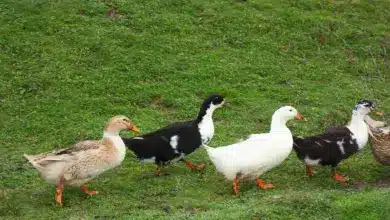
For example, domestic and wild birds worldwide, including chickens, turkeys, pigeons, and waterfowl such as ducks and geese, regularly ingest gravel. These birds often pick up stones from the ground or riverbeds near their feeding areas.
Crocodiles and alligators, which also use gastroliths, are primarily found in freshwater habitats such as rivers, lakes, and swamps in tropical and subtropical regions of Africa, Australia, Asia, and the Americas.
Dinosaur fossils with gastroliths have been discovered on every continent, indicating that this behavior was widespread among various prehistoric species during the Mesozoic Era.
Diet and Feeding Habits
The diet of animals that consume rocks is closely linked to the need for gastroliths. Most commonly, these animals eat foods that are hard to digest or require mechanical breakdown:
- Birds: Seeds, grains, nuts, and fibrous plant material make up much of their diet. Some birds also eat insects and small animals, but gastroliths primarily help with plant matter.
- Crocodiles: Carnivorous diets consisting of fish, amphibians, mammals, and birds. While gastroliths aid digestion, they may also assist in buoyancy control.
- Dinosaurs: Many herbivorous dinosaurs relied on gastroliths to break down tough vegetation. Some theropods (carnivorous dinosaurs) also had gastroliths, suggesting a complex digestive strategy.
The presence of gastroliths allows these animals to extract more nutrients from their food, which is essential for energy, growth, and survival.
Reproduction and Life Cycle
While the consumption of gastroliths is primarily a feeding-related behavior, it can indirectly influence reproductive success. Efficient digestion supported by gastroliths ensures better nutrient absorption, which contributes to overall health and the ability to reproduce successfully.
In birds, healthy adults with adequate nutrition are more capable of producing viable eggs and raising chicks. Similarly, in reptiles like crocodiles, strong digestive efficiency supports the energy demands of mating, nesting, and parental care.
Fossil evidence does not clearly link gastroliths with reproductive behavior in dinosaurs, but it is reasonable to infer that improved digestion contributed to the fitness of individuals, aiding their survival and reproduction.
Ecological Role of Gastrolith-Eating Animals
Animals that consume rocks play important roles in their ecosystems. By aiding digestion, gastroliths help these animals efficiently process a wide variety of foods, influencing food web dynamics.
Seed dispersal: Many birds that eat seeds rely on gastroliths to grind them down, but they also contribute to seed dispersal. Some seeds pass intact through the digestive tract and are deposited elsewhere, promoting plant diversity and regeneration.
Predator-prey relationships: Crocodiles, as apex predators, help regulate populations of fish and other animals, maintaining ecological balance.
Soil and sediment interaction: By picking up and ingesting stones, these animals contribute to the movement of small particles within their habitats. Additionally, when gastroliths are eventually regurgitated or excreted, they may aid mineral cycling.
Conservation Status
Most modern animals that use gastroliths, such as many bird species and crocodilians, have varying conservation statuses depending on their species and habitat threats.
Birds: Many common birds that use gastroliths, like pigeons and chickens, are abundant worldwide. However, some wild bird species that rely on natural habitats face threats from habitat loss, pollution, and climate change.
Crocodiles: Some crocodile species are endangered or vulnerable due to hunting, habitat destruction, and human conflict. Conservation measures focus on habitat preservation, anti-poaching efforts, and captive breeding programs.
Dinosaurs: Of course, dinosaurs are extinct, but studying their gastroliths contributes to understanding evolutionary biology and species adaptation over millions of years.
Interesting Facts About Animals That Eat Rocks
- Gastroliths in space: Researchers have found gastrolith-like stones in some marine reptiles from the Mesozoic Era, suggesting that the behavior of eating rocks to aid digestion was even more widespread among prehistoric animals.
- Birds can sometimes select specific stones: Studies have shown that certain bird species choose stones of particular sizes and textures to optimize grinding efficiency in their gizzards.
- Fossil gastroliths provide clues: The discovery of polished stones inside dinosaur fossils has helped paleontologists reconstruct feeding habits and digestive physiology of extinct species.
- Multiple functions in crocodiles: Gastroliths in crocodiles not only aid digestion but may also help them dive and stay submerged longer by balancing buoyancy.
- Some fish also ingest small stones: Certain fish species consume small pebbles, possibly for digestive aid or ballast, indicating that the use of gastroliths is not limited to birds and reptiles.