Overview and Introduction
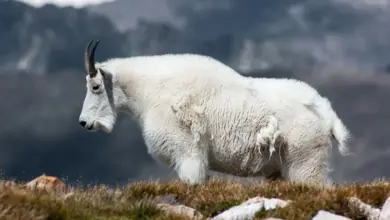
Plants form the foundation of most terrestrial ecosystems, providing essential nutrients and energy to a wide array of living organisms. But who exactly eats plants? The answer lies primarily in the vast and diverse group of animals known as herbivores, which feed exclusively or primarily on vegetation such as leaves, grasses, flowers, fruits, seeds, and even woody parts like bark and stems. Additionally, omnivores consume plants alongside animal matter, playing a versatile role in ecosystems.
This article explores the fascinating world of plant-eating animals, their physical characteristics, behaviors, habitats, diets, reproductive strategies, ecological roles, and conservation concerns. By understanding what eats plants, we gain valuable insight into the complex food webs that sustain life on Earth.
Physical Characteristics of Plant-Eating Animals
Herbivores exhibit a wide range of physical adaptations that enable them to consume and digest plant material efficiently. Because plants are often tough, fibrous, and low in readily available nutrients, herbivores have evolved specialized teeth, digestive systems, and other features to thrive on their diets.





Teeth and Mouthparts
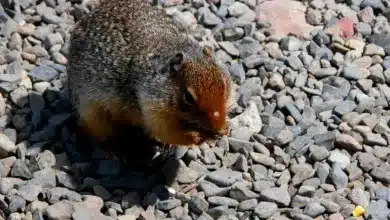
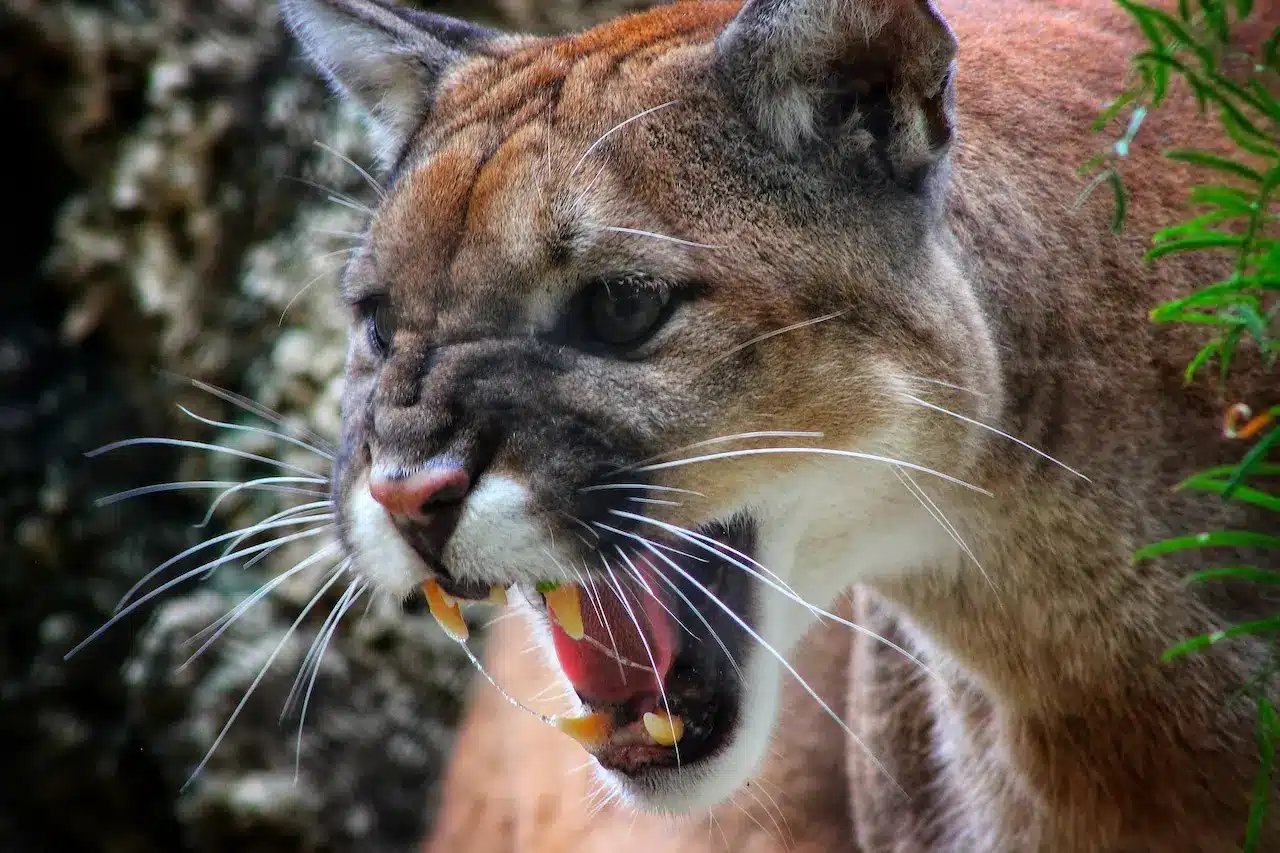
One of the most notable adaptations is the structure of teeth. Many herbivores have large, flat molars designed for grinding leaves and grasses. For example, cows and horses have broad, ridged molars that crush tough plant fibers. Rodents like beavers and squirrels have strong incisors that continuously grow, allowing them to gnaw through bark and woody material.
Insects that eat plants also display specialized mouthparts. Caterpillars possess chewing mandibles to munch on leaves, while butterflies and moths have long proboscises to sip nectar from flowers.
Digestive Systems
Digesting plant material efficiently requires overcoming challenges such as cellulose, a complex carbohydrate that many animals cannot break down easily. To solve this, many herbivores have developed complex digestive systems harboring symbiotic microorganisms that ferment and decompose cellulose into digestible nutrients.
Ruminants such as cows, sheep, and deer have multi-chambered stomachs where microbial fermentation occurs before digestion. Horses and rabbits use hindgut fermentation in their large intestines and ceca to process fibrous material. Even some insects host gut bacteria to aid digestion.
Limbs and Locomotion
Physical adaptations also extend to limbs and mobility. Grazers, which consume grasses, often have strong, fast legs to outrun predators across open plains, like zebras and antelopes. Browsers, which feed on leaves from shrubs and trees, may have climbing or reaching abilities, such as giraffes with their long necks or koalas with sharp claws for climbing eucalyptus trees.
Behavior of Plant-Eating Animals
Herbivores exhibit diverse behaviors linked to their feeding strategies, social structures, and predator avoidance.
Feeding Behavior
Grazers tend to feed continuously for long periods because grasses are low in nutrient density and need to be consumed in large quantities. Browsers may feed more selectively, targeting specific leaves or fruits with higher nutritional value.
Some herbivores are crepuscular or nocturnal feeders to avoid daytime predators. For example, many deer species are most active at dawn and dusk.
Social Behavior
Many herbivores live in groups or herds, which provides safety in numbers against predators. Elephants, bison, and wildebeests are known for their large herds. Social structures can range from loosely organized groups to complex matriarchal societies, as seen in elephants.
Defense Mechanisms
Because herbivores are prey for many carnivores, they have evolved various defense strategies, including camouflage, heightened senses like keen vision and hearing, and physical defenses such as horns, antlers, or speed. Some smaller herbivores, like rabbits, rely on quick bursts of speed and zigzag running patterns to evade predators.
Habitat and Distribution
Plant-eating animals are found across virtually every habitat on Earth, from tropical rainforests and savannas to deserts and tundras, reflecting the global distribution of plants.
Grasslands and Savannas
These open habitats support large populations of grazers such as bison, zebras, and wildebeests. The abundance of grasses provides a steady food source, while the open space allows these animals to spot predators from a distance.
Forests
Browsers dominate forest ecosystems, feeding on leaves, fruits, and bark. Examples include deer, giraffes, and various monkey species. Forest herbivores may be arboreal (tree-dwelling), like koalas and certain primates, or terrestrial.
Deserts
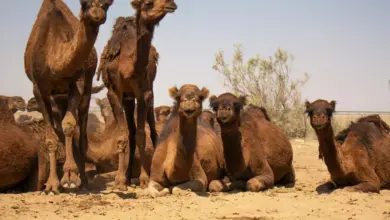
Desert herbivores such as camels and certain rodents have adapted to sparse vegetation and extreme temperatures. They often consume hardy shrubs and succulents and have efficient water retention mechanisms.
Aquatic and Wetland Habitats
Some herbivores, like manatees and certain species of fish and insects, consume aquatic plants and algae. These animals play important roles in maintaining the health of aquatic ecosystems.
Diet and Feeding Habits
Herbivores consume a wide variety of plant parts, depending on their adaptations and habitat.
Types of Plant Material Consumed
- Grasses: Primary food for grazers such as cattle, bison, and many antelope species.
- Leaves and Twigs: Browsers, including giraffes and deer, focus on leaves, buds, and young shoots.
- Fruits and Seeds: Some herbivores specialize in fruits, such as many primates and birds, which also aid in seed dispersal.
- Bark and Woody Material: Animals like porcupines and beavers consume bark and cambium layers.
- Flowers and Nectar: Insects such as bees and butterflies feed on nectar, while some mammals and birds also consume flowers.
Omnivores That Eat Plants
While herbivores rely mostly or entirely on plants, omnivores consume a mixed diet. Bears, pigs, raccoons, and many bird species eat both plants and animals. This dietary flexibility helps them survive in varied environments and fluctuating food availability.
Reproduction
Reproductive strategies among plant-eating animals vary widely, shaped by their environments and social behaviors.
Reproductive Cycles
Many herbivores have seasonal breeding cycles timed to ensure offspring are born during times of abundant food availability. For instance, many ungulates give birth in spring when vegetation is lush.
Parental Care
Parental care also varies. Elephants exhibit long gestation periods (up to 22 months) and extended maternal care, with calves staying with the herd for years. In contrast, many rodents have shorter gestation periods and produce multiple litters per year with minimal parental care.
Reproductive Strategies
Some herbivores are solitary breeders, while others, like deer, engage in mating competitions and harems. Social animals may use vocalizations, scent marking, and displays to attract mates.
Ecological Role
Plant-eating animals play crucial roles in ecosystems, influencing plant communities, nutrient cycling, and food web dynamics.
Plant Population Control
Herbivores regulate plant populations by consuming foliage and seeds, preventing any single plant species from dominating. This herbivory fosters biodiversity by allowing multiple species to coexist.
Seed Dispersal and Pollination
Many herbivores aid in seed dispersal by eating fruits and excreting seeds elsewhere. Some birds and mammals also contribute to pollination while feeding on nectar or flowers.
Nutrient Cycling
By breaking down plant material and returning nutrients to the soil through waste, herbivores enhance soil fertility and ecosystem productivity.
Food Source for Predators
Herbivores are vital prey species for carnivores, linking primary producers (plants) to higher trophic levels.
Conservation Status
The conservation statuses of plant-eating animals vary widely. Many species face threats from habitat loss, hunting, climate change, and competition with livestock.
Threatened Herbivores
Iconic species like the African elephant and various rhinoceros species are endangered due to poaching and habitat fragmentation. Several deer species are also threatened in certain regions.
Conservation Efforts
Conservation programs focus on habitat protection, anti-poaching enforcement, captive breeding, and reintroduction efforts. Protecting herbivores often benefits entire ecosystems due to their central ecological roles.
Impact of Overpopulation
Conversely, some herbivore populations, like deer in certain parts of North America and Europe, have grown excessively due to predator declines, causing overgrazing and damaging vegetation, which necessitates wildlife management interventions.
Interesting Facts
- World’s Largest Herbivore: The African elephant, standing up to 13 feet tall and weighing over 6 tons, consumes up to 300 pounds of vegetation daily.
- Smallest Herbivores: Some insects, like aphids and caterpillars, are tiny but collectively consume vast amounts of plant material globally.
- Longest Neck: The giraffe uses its long neck to browse leaves high in trees, inaccessible to other herbivores, reducing food competition.
- Camouflage for Safety: Many herbivores have coat colors and patterns that help them blend into their vegetated surroundings, aiding predator avoidance.
- Symbiotic Digestion: Termites rely on gut microbes to digest wood, a feat humans cannot accomplish.
- Seed Dispersers: Fruit-eating bats and birds play essential roles in spreading tropical forest plants over large distances.