Overview and Introduction
Raccoons (Procyon lotor) are among the most adaptable and resourceful mammals native to North America. Known for their distinctive masked faces and dexterous front paws, raccoons have captivated human interest both for their intelligence and curious behavior. Despite their cunning and often elusive nature, raccoons do face threats from a variety of predators in the wild. Understanding what eats raccoons offers insight into their role within ecosystems and the natural checks and balances that regulate their populations.
Physical Characteristics
Raccoons are medium-sized mammals, typically weighing between 8 and 20 pounds (3.5 to 9 kilograms), though males are often larger than females. They have a sturdy body covered with dense grayish-brown fur, accented by the famous black “mask” across their eyes and ringed tails with 4 to 10 black bands. Their highly sensitive front paws are capable of manipulating objects with remarkable precision, almost like human hands. This physical dexterity allows them to open containers, climb trees, and forage efficiently.
Behavior
Raccoons are primarily nocturnal creatures, most active during the night and twilight hours. They exhibit remarkable problem-solving skills and adaptability, often living close to urban and suburban areas where they scavenge for food. Raccoons are solitary animals for the most part, except during mating season or when females are raising their young. When threatened, raccoons may hiss, growl, or use their sharp claws and teeth for defense. They are also excellent climbers and swimmers, often using trees or waterways to escape predators.





Habitat and Distribution
Native to North America, raccoons inhabit a wide range of environments, from dense forests and wetlands to urban neighborhoods and agricultural lands. Their adaptability allows them to thrive in both rural and metropolitan settings across the United States, southern Canada, and parts of Central America. They prefer areas near water sources such as rivers, lakes, or marshes, which provide abundant food resources and shelter opportunities.
Diet and Feeding
Raccoons are omnivorous opportunists with a diverse diet that changes seasonally and according to availability. They consume a variety of food items including insects, small mammals, amphibians, bird eggs, fruits, nuts, and even human garbage. Their dexterous paws enable them to catch crayfish, frogs, and fish, and to raid gardens for vegetables and fruits. This varied diet helps raccoons maintain high levels of nutrition and adapt to different environments.
What Eats Raccoons?
While adult raccoons are known for their fierce defensive capabilities and agility, they are not invulnerable. A range of natural predators prey on raccoons, particularly when they are young, sick, or caught off guard.
Large Mammalian Predators
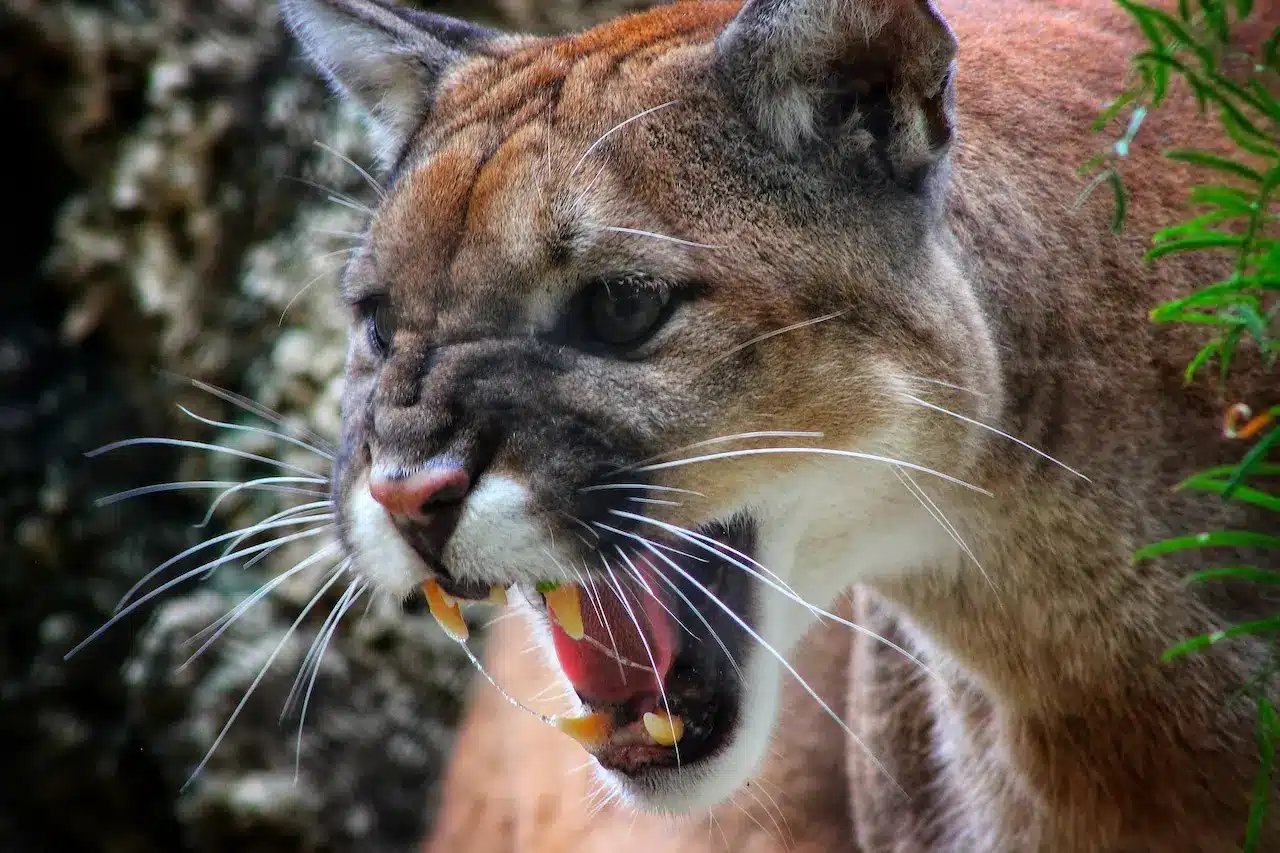
Predators such as cougars (mountain lions), bobcats, coyotes, and wolves are some of the most significant threats to raccoons in the wild. These carnivores are adept hunters and can overpower raccoons, especially in overlapping habitats. Coyotes, in particular, are known to be opportunistic feeders and often hunt raccoons when other prey is scarce.
Reptilian Predators
In tropical and subtropical regions of North America and Central America, raccoons living near water bodies may fall prey to crocodilians such as caimans and alligators. These stealthy ambush predators can capture raccoons when they come to drink or forage along riverbanks and marshes.
Avian Predators
Large birds of prey, including hawks, owls, and eagles, also pose a threat, particularly to juvenile raccoons. Species like the great horned owl are known to hunt raccoons by swooping down silently and grabbing them with powerful talons.
Serpentine Predators
Big snakes such as boa constrictors, especially in southern parts of raccoon range, may prey on young or smaller raccoons. These snakes use constriction to subdue their prey, making raccoons vulnerable when they venture into dense undergrowth.
Defense Strategies
To evade these predators, raccoons rely on their keen senses, agility, and climbing skills. They often escape by climbing trees or retreating to dens in hollow logs, caves, or abandoned burrows. Their nocturnal lifestyle also helps reduce encounters with daytime predators.
Reproduction
Raccoons typically breed once a year in late winter or early spring. After a gestation period of about 63 days, females give birth to litters of 2 to 5 kits. These kits are born blind and helpless, relying entirely on their mother for warmth, protection, and nourishment. Young raccoons remain with the mother for several months, learning essential survival skills such as foraging and avoiding predators. By fall, kits become independent and disperse to establish their own territories.
Ecological Role
Raccoons play a crucial role in their ecosystems as both predators and prey. By feeding on insects, small vertebrates, and plants, they help control populations of various species and contribute to seed dispersal. Their scavenging habits also aid in the decomposition process by consuming carrion and organic waste. As prey, raccoons support the diets of larger carnivores and birds of prey, maintaining the balance within food webs.
Conservation Status
Currently, raccoons are not considered threatened or endangered. Their populations are stable and, in many areas, increasing due to their adaptability to human-modified environments. However, raccoons can sometimes become pests, especially in urban settings where they raid garbage bins and gardens. Disease transmission, including rabies and canine distemper, remains a concern for raccoon populations and can impact both wildlife and human communities.
Interesting Facts About Raccoons
- Highly Intelligent: Raccoons have demonstrated problem-solving abilities comparable to primates in some studies, including remembering solutions for at least three years.
- Masked Bandits: Their distinctive facial mask is thought to reduce glare and enhance night vision, aiding their nocturnal foraging.
- Water Washers: Raccoons often dunk their food in water before eating, a behavior known as “dousing,” although the exact reason remains debated among scientists.
- Urban Survivors: Raccoons have successfully adapted to cities, using sewers, attics, and abandoned buildings as den sites.
- Communication: They use a variety of vocalizations, including purrs, growls, and whistles, to communicate with each other, especially between mothers and kits.