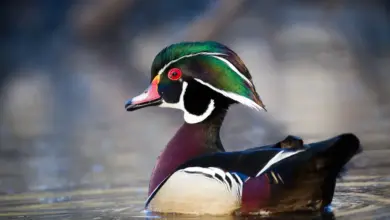
Australian Ducks, Geese, Moorhens
Australian Ducks, Geese, Cranes, Swans, Shelducks, Shovelers, Grebes

Overview and Introduction
Australia is home to a diverse array of waterbirds, including ducks, geese, moorhens, cranes, cormorants, rails, and darters. These species inhabit wetlands, rivers, lakes, coasts, and estuaries, playing important roles within their ecosystems. Australian ducks and geese are particularly notable for their unique adaptations to the continent’s varied climates — from tropical wetlands in the north to temperate marshes in the south. Moorhens and crakes, belonging to the rail family, are often secretive but vital components of wetland habitats. This article explores the fascinating diversity, adaptations, behavior, and ecological significance of these waterbird groups found in Australia.
Physical Characteristics
Ducks and Geese
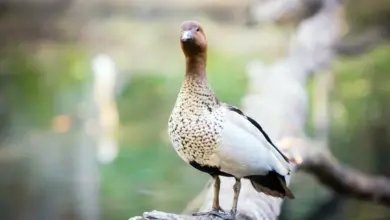
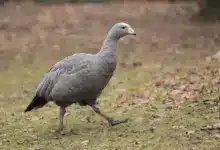
Australian ducks and geese exhibit a wide range of sizes, shapes, and plumage colors, reflecting their specialized lifestyles. For example, the Cape Barren Goose (Cereopsis novaehollandiae) is a large, robust bird with pale grey plumage dotted with black spots and a distinctive greenish-yellow bill, adapted for grazing on coastal grasslands. The Australian Wood Duck or Maned Duck (Chenonetta jubata) features a brown body with white facial markings and a prominent maned neck.
Among diving ducks, the Musk Duck (Biziura lobata) stands out for its large size and unique leathery lobe on the male’s bill, used during display rituals. The Pink-eared Duck (Malacorhynchus membranaceus) is strikingly patterned with zebra-like black and white stripes and a bright pink spot near the ear, giving the species its name.



Moorhens and Rails
Moorhens, crakes, and rails are generally smaller, more secretive birds with compact bodies, strong legs, and long toes adapted for walking on floating vegetation. The Australian Spotted Crake (Porzana fluminea) has mottled brown plumage that provides excellent camouflage among reeds and grasses. The White-browed Crake (Porzana cinerea) is recognized for its prominent white eyebrow stripe contrasting with dark plumage.
Cranes and Cormorants
Cranes such as the Brolga (Grus rubicunda) are tall, elegant birds with long legs and necks, grey plumage, and a distinctive red patch on the head. Cormorants like the Little Pied Cormorant (Phalacrocorax melanoleucos) have sleek black and white plumage and hooked bills for fishing. The Black-faced Cormorant (Phalacrocorax fuscescens) is notable for its entirely black face and coastal distribution.
Behavior
Social Structure and Vocalizations
Many Australian ducks and geese are social birds, often forming flocks outside the breeding season. Species such as the Pacific Black Duck (Anas superciliosa) and Plumed Whistling Duck (Dendrocygna eytoni) are known for their vocal nature, producing whistles, quacks, and grunts to communicate. Moorhens and crakes are generally more secretive, using soft calls and skulking through dense vegetation to avoid predators.
Flight and Migration
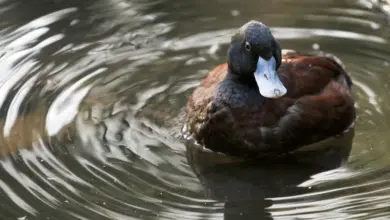
Several Australian waterbird species are strong fliers and undertake seasonal movements. For instance, the Blue-billed Duck (Oxyura australis), endemic to temperate Australia, may disperse widely during droughts in search of suitable wetlands. Some cranes, like the Sarus Crane (Grus antigone), exhibit local migrations tied to rainfall and food availability. Cormorants and darters are skilled swimmers and divers but also take to the air to reach fishing sites or roosting areas.
Habitat and Distribution
Wetlands and Waterways
Australian ducks, geese, and moorhens inhabit a variety of freshwater and coastal wetlands, including swamps, billabongs, lagoons, and tidal estuaries. The Murray-Darling Basin is a critical stronghold for many species, such as the Hardhead or White-eyed Duck (Aythya australis) and the Musk Duck. The Blue-billed Duck is found primarily in southern temperate wetlands across New South Wales, Victoria, and southwestern Western Australia.
Coastal and Island Habitats
Some species are specialized for coastal environments. The Black-faced Cormorant is restricted to southern Australian coasts and Tasmania, while the Pied Cormorant (Phalacrocorax varius) is common along Australasian coastlines. The Cape Barren Goose primarily inhabits offshore islands and coastal grasslands, grazing on native grasses and herbs.
Tropical and Arid Zones
In northern Australia, species like the Plumed Whistling Duck and the Brolga crane thrive in tropical wetlands and floodplains. These birds are adapted to seasonal flooding and dry periods. Some rails, such as the Spotless Crake (Porzana tabuensis), also occupy freshwater wetlands in northern regions, though their secretive nature makes them less often observed.
Diet and Feeding
Herbivorous and Omnivorous Feeding
Australian ducks and geese exhibit varied diets. The Cape Barren Goose is almost entirely herbivorous, feeding on grasses and herbs along coastal areas. The Australian Wood Duck grazes on grasses and seeds in open woodlands and wetlands.
Diving and Foraging
Diving ducks like the Blue-billed Duck and Hardhead feed primarily on aquatic invertebrates, seeds, and plant matter found underwater. The Musk Duck uses its powerful bill to scoop up mollusks, crustaceans, and small fish. The Pink-eared Duck employs a unique filtering technique, using its serrated bill to strain plankton and small aquatic organisms from the water.
Insectivory and Carnivory
Cranes such as the Brolga have a diverse diet, feeding on roots, tubers, insects, and small vertebrates. Cormorants and darters are piscivorous, catching fish through diving. Moorhens and crakes consume a variety of invertebrates, seeds, and aquatic vegetation, often foraging near the water’s edge or within reeds.
Reproduction
Nesting Habits
Most Australian waterbirds build nests close to water, using reeds, grasses, and other vegetation. The Australian Wood Duck nests in tree hollows or sometimes ground sites near water. The Musk Duck constructs floating nests anchored in reeds.
Breeding Behavior and Offspring
Many species are monogamous during the breeding season. The Brolga crane performs elaborate courtship dances involving bowing, jumping, and calling to strengthen pair bonds. Ducks such as the Pacific Black Duck lay clutches of 6–12 eggs, which both parents help incubate. Hatchlings are precocial, meaning they are relatively mature and mobile shortly after hatching, allowing them to follow their parents to water and feeding areas quickly.
Ecological Role
Australian waterbirds contribute significantly to wetland ecosystems. By feeding on aquatic vegetation, invertebrates, and small fish, they help regulate populations and maintain ecological balance. Grazing by geese and ducks influences plant community composition. Their foraging activities aid nutrient cycling, and their droppings fertilize aquatic habitats.
Moreover, these birds serve as prey for native predators such as birds of prey, snakes, and introduced species like foxes. They also act as indicators of wetland health, with declines in their populations often signaling environmental problems.
Conservation Status
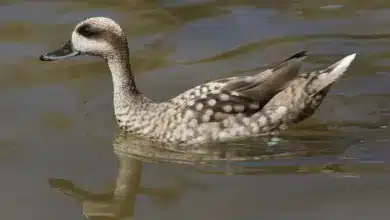
While many Australian waterbird species are currently stable, habitat loss, water pollution, and climate change present ongoing threats. The Freckled Duck (Stictonetta naevosa) is listed as Vulnerable due to declining wetland habitats in southern Australia. The Blue-billed Duck, though not endangered, depends on healthy inland wetlands, which are threatened by water extraction and drought.
Conservation efforts focus on protecting key wetlands, restoring habitats, and monitoring populations. National parks, reserves, and Ramsar-listed wetlands play crucial roles in safeguarding these species. Public awareness campaigns also emphasize the importance of wetlands for biodiversity and human well-being.
Interesting Facts
- The Musk Duck is one of the few duck species exhibiting lekking behavior, where males display in groups to attract females.
- The Pink-eared Duck’s filter-feeding technique is highly specialized and unique among Australian ducks.
- The Brolga crane’s graceful mating dance can last for hours and involves synchronized movements and trumpeting calls.
- Australian moorhens are excellent swimmers but often prefer to hide in dense reeds to avoid predators.
- Some cormorants, like the Little Pied Cormorant, spread their wings to dry after diving, a behavior commonly observed near Australian waterways.
- The Cape Barren Goose is one of the world’s rarest geese but has recovered well due to conservation efforts and protection on offshore islands.