The **mottled duck** is a striking species of dabbling duck known for its rich brown plumage and subtle, mottled patterning. Often mistaken for female mallards or similar species, mottled ducks possess distinct characteristics that make them unique within their coastal and freshwater habitats. Photographers and birdwatchers alike appreciate the species for both its beauty and its elusive nature. This article delves deeply into the natural history, appearance, behavior, and conservation status of the mottled duck, offering an educational resource for anyone interested in this fascinating waterfowl.
Scientific Classification
The mottled duck is scientifically known as Anas fulvigula, belonging to the family Anatidae, which includes ducks, geese, and swans. It is part of the genus Anas, a large and diverse group of dabbling ducks characterized by their feeding behavior of tipping forward in shallow water to forage rather than diving. The species was first described in the early 19th century and has since been recognized as distinct from its close relatives, such as the mallard (Anas platyrhynchos) and the American black duck (Anas rubripes). The mottled duck is often considered a non-migratory species, primarily inhabiting coastal and freshwater marshes in the southeastern United States and parts of the Caribbean.
Geographic Range & Distribution
The mottled duck’s range is relatively restricted compared to other North American ducks. It is native to the southeastern United States, primarily along the Gulf Coast from Texas through Florida, including the coastal wetlands of Louisiana and northern Florida. Additionally, a subspecies or closely related population exists in parts of Cuba and the Bahamas, where the species occupies similar wetland habitats. Unlike many ducks, mottled ducks are largely non-migratory, residing year-round in their preferred habitats. Their distribution is closely tied to estuaries, coastal marshes, freshwater wetlands, and brackish bays, environments that provide ample food and shelter. Seasonal movements are generally limited to local shifts in response to water levels and food availability rather than long-distance migrations.




Physical Description
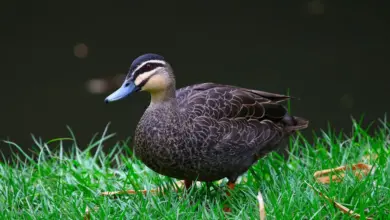
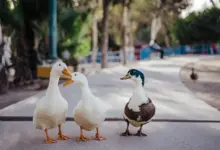
The mottled duck is a medium-sized dabbling duck with an average length ranging from 48 to 56 centimeters (19 to 22 inches) and a wingspan spanning approximately 76 to 91 centimeters (30 to 36 inches). Adult males typically weigh between 720 and 1,100 grams (1.6 to 2.4 pounds), while females are slightly lighter. The species exhibits sexual monomorphism, meaning males and females have similar plumage, unlike many other duck species where males display more vibrant colors. Their feathers are predominantly brown with a fine mottling of darker and lighter shades across the body, providing excellent camouflage in marshy environments. The head and neck are a darker brown, and the bill is dark gray to black, differing from the brighter yellow bill of the mallard. One distinctive feature is the blue speculum (the iridescent patch on the secondary wing feathers) bordered by white, which is visible in flight or when the wings are spread. Their legs and feet are orange to yellowish-orange, complementing their earthy tones.
Behavior & Diet
Mottled ducks are primarily diurnal, active during the day with peak feeding periods at dawn and dusk. They are dabbling ducks, meaning they feed mainly on the surface of the water or by tipping forward to graze on submerged vegetation rather than diving. Their diet consists largely of seeds, roots, and stems of aquatic plants such as wild rice, sedges, and various grasses. They also consume small invertebrates including aquatic insects, crustaceans, and mollusks, especially during the breeding season when higher protein intake is beneficial. Mottled ducks are generally social birds, often seen in pairs or small groups, although they can form larger flocks in the non-breeding season. They are known for their quiet nature compared to the louder mallards, producing soft quacks and whistles. Their habitat preferences for shallow marshes and estuaries allow them to exploit food resources efficiently while avoiding larger predators. According to Cornell Lab of Ornithology, this species is well documented.
Breeding & Reproduction
The breeding season for mottled ducks typically spans from late winter through early summer, varying slightly depending on the geographic location and weather conditions. These ducks are monogamous during the breeding season, with pairs forming strong bonds that may last throughout the season. Nests are usually built on the ground, concealed within dense marsh vegetation or grasses close to water sources. The female lays a clutch of 8 to 12 creamy white to pale buff eggs, which she incubates alone for approximately 24 to 28 days. During incubation, the male often remains nearby to protect the territory. Upon hatching, ducklings are precocial, meaning they are mobile and able to feed themselves shortly after birth. The female leads them to shallow waters where they forage for small aquatic invertebrates and plant matter. The young fledge roughly 45 to 50 days after hatching, gradually becoming independent. The reproductive success of mottled ducks depends heavily on the availability of suitable wetland habitat and minimal disturbance during nesting. According to RSPB, this species is well documented.
Conservation Status
According to the International Union for Conservation of Nature (IUCN), the mottled duck is currently classified as a species of Least Concern. However, this status masks underlying threats that could impact local populations. The species faces habitat loss and degradation due to wetland drainage, urban development, and pollution along the Gulf Coast and other key regions. Coastal marshes are particularly vulnerable to sea-level rise and increased storm frequency associated with climate change, which can reduce the availability of nesting and feeding grounds. Additionally, hybridization with mallards poses a genetic concern in some areas, potentially diluting the distinctiveness of the species. Conservation efforts focus on preserving and restoring coastal wetlands, enforcing hunting regulations, and monitoring populations to ensure their continued health. Protected areas such as national wildlife refuges in Louisiana and Florida serve as critical strongholds for mottled ducks and other wetland-dependent species.
Interesting Facts
The mottled duck is sometimes called the “Gulf Coast Mallard” because of its close resemblance to the mallard but with a more restricted range and different habits. Unlike many duck species, mottled ducks do not undertake long migrations, which makes them relatively easier to observe year-round in their native habitats. Their secretive behavior and well-camouflaged plumage allow them to blend seamlessly into marsh vegetation, a valuable adaptation against predators such as raccoons, alligators, and large birds of prey. Photographers often seek mottled ducks for their subtle beauty and the challenge of capturing them in complex wetland environments. The species also plays an important ecological role by contributing to seed dispersal and maintaining the health of wetland ecosystems. In some Gulf Coast cultures, mottled ducks have been historically valued for subsistence hunting, though modern conservation measures ensure sustainable populations. Birdwatchers appreciate the mottled duck not only for its unique appearance but also as an indicator of wetland health in the southeastern United States.
In conclusion, the mottled duck (Anas fulvigula) is a captivating and ecologically significant species whose presence enriches the wetland habitats of the Gulf Coast and the Caribbean. Its distinct mottled plumage, restricted range, and non-migratory lifestyle set it apart from many other North American ducks. As wetlands face increasing environmental pressures, understanding and protecting the mottled duck becomes even more important. Whether through photography, birdwatching, or conservation work, engaging with this species offers valuable insights into the delicate balance of coastal ecosystems and the diverse wildlife they support.