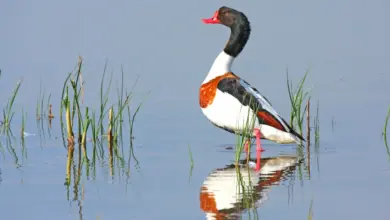
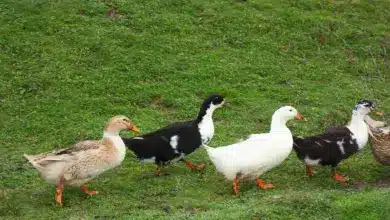
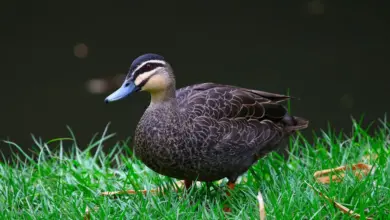
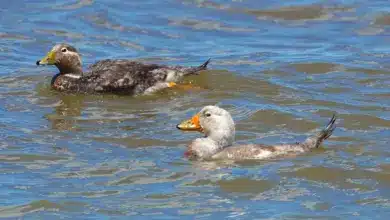
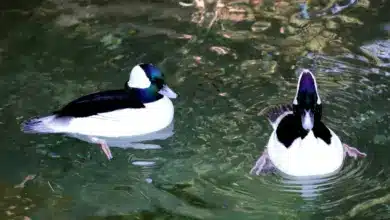
Dark ducks are a fascinating group of waterfowl known for their predominantly dark plumage, often featuring striking iridescent shades of green, blue, or purple. These ducks are admired by birdwatchers and wildlife photographers for their elusive behavior and the subtle beauty of their feathers, which can appear almost black or deep brown at a glance. This article explores the taxonomy, distribution, appearance, behavior, and conservation of some of the most notable dark duck species, providing an in-depth look at these enigmatic birds.
Scientific Classification
Dark ducks belong primarily to the family Anatidae, which includes ducks, geese, and swans. Within this family, many dark-plumaged species fall under the subfamily Anatinae, commonly referred to as the true ducks. One prominent genus associated with dark ducks is Melanitta, known as the scoters, which are sea ducks with mostly black or dark brown plumage. Other genera with dark duck species include Aythya (diving ducks) and Oxyura (stifftails). These classifications are based on morphological traits, plumage, and genetic studies, which have clarified evolutionary relationships among ducks.
For example, the Black Scoter (Melanitta americana) and the Surf Scoter (Melanitta perspicillata) are closely related sea ducks characterized by their dark bodies and distinctively shaped bills. Similarly, the Tufted Duck (Aythya fuligula) and the Lesser Scaup (Aythya affinis) exhibit predominantly dark plumage with subtle variations and markings.





Understanding these classifications helps bird enthusiasts and researchers identify and differentiate dark duck species, which can often appear similar in the field due to their muted color palettes.
Geographic Range & Distribution
Dark ducks inhabit a variety of environments across the Northern Hemisphere, with many species adapted to cold coastal regions, large lakes, and freshwater wetlands. For instance, the Black Scoter is predominantly found along the Atlantic and Pacific coasts of North America, breeding in northern Canada and Alaska before wintering farther south along temperate coastlines.
The Surf Scoter shares a similar range but tends to favor rocky shorelines and bays during the winter months, from Alaska down to California on the Pacific coast, and from Canada through the eastern United States along the Atlantic coast. The Tufted Duck, native to Eurasia, breeds in northern Europe and Asia and migrates south to temperate regions during winter, often found in lakes and reservoirs.
Other dark ducks, such as the Lesser Scaup, breed across northern North America and parts of Siberia, wintering in southern United States, Mexico, and parts of Central America. Some species, like the White-winged Scoter (Melanitta fusca), have circumpolar distributions, breeding in northern tundra regions and wintering along northern coasts.
These broad ranges highlight the adaptability of dark duck species to various climatic conditions, from Arctic tundra to temperate coastal habitats. Their migratory patterns are closely linked to the availability of open water and food resources throughout the year.
Physical Description
Dark ducks generally exhibit a palette of deep browns, blacks, and iridescent greens or purples, making them visually distinct from the more brightly colored dabbling ducks. Males often display more vibrant iridescence during the breeding season, while females tend to have more muted, cryptic coloration for camouflage.
The Black Scoter is a large sea duck, measuring approximately 45 to 55 centimeters (18 to 22 inches) in length with a wingspan of about 76 to 86 centimeters (30 to 34 inches). Males have glossy black plumage with a distinctive bulbous yellow-orange knob at the base of the bill, while females are dark brown with paler cheeks. The Surf Scoter is similar in size and exhibits predominantly black feathers with white patches on the head in males, and mottled brown plumage in females.
The Tufted Duck, slightly smaller at 40 to 47 centimeters (16 to 18.5 inches) in length, features a striking black and white coloration in males, with a tuft of feathers on the back of the head, from which it derives its name. Females are brown with less prominent facial markings. The Lesser Scaup is comparable in size, around 38 to 43 centimeters (15 to 17 inches) long, with males showing a black head and chest with a metallic sheen and grayish sides, while females are brown with white near the bill.
These physical traits not only aid in species identification but also play roles in mating displays and camouflage from predators. Their robust bodies, strong bills, and webbed feet are adaptations for diving and swimming in cold aquatic environments.
Behavior & Diet
Dark ducks are generally diving ducks, meaning they forage underwater for food rather than dabbling on the surface. Their diet consists largely of mollusks, crustaceans, aquatic insects, and small fish. For instance, Black Scoters and Surf Scoters are known to dive to considerable depths to feed on mollusks such as mussels and clams, which they crush with their strong bills.
These ducks are often seen in flocks, especially during migration and winter, where they can dive and feed cooperatively. Their strong swimming abilities and dense plumage allow them to thrive in cold water habitats. Unlike some dabbling species, dark ducks rarely forage on land, spending most of their time on or under the water. According to Cornell Lab of Ornithology, this species is well documented.
Behaviorally, dark ducks tend to be more secretive and less vocal than other duck species. Males use a combination of head bobbing, vocalizations, and plumage displays to attract females during the breeding season. Their flight is fast and direct, with rapid wingbeats, enabling them to migrate long distances between breeding and wintering grounds. According to RSPB, this species is well documented.
Breeding & Reproduction
Dark ducks typically nest near water bodies, often choosing secluded sites among dense vegetation or on islands to reduce predation risks. The breeding season occurs primarily in spring and early summer, timed to coincide with abundant food availability for the ducklings.
Females lay clutches of 6 to 12 eggs, which they incubate alone for approximately 24 to 29 days, depending on the species. The eggs are usually pale green or buff-colored with subtle speckling. After hatching, ducklings are precocial, meaning they are relatively mature and mobile, able to swim and feed themselves shortly after leaving the nest.
Parental care is primarily provided by the female, who leads the ducklings to feeding sites and protects them from predators. The young fledge within 50 to 60 days, at which point they begin to develop adult plumage and learn to fly. Some species exhibit strong site fidelity, returning to the same breeding grounds year after year.
Conservation Status
Most dark duck species currently have stable populations, but they face threats from habitat loss, pollution, and climate change. According to the International Union for Conservation of Nature (IUCN), the Black Scoter is listed as Least Concern, although localized declines have been observed due to oil spills and coastal development. The Surf Scoter shares a similar status but is monitored closely because of its reliance on coastal habitats vulnerable to human disturbance.
The Tufted Duck is widespread and abundant in Europe and Asia, with no immediate conservation concerns. The Lesser Scaup, while also classified as Least Concern, has experienced some population declines in North America attributed to wetland degradation and hunting pressures.
Efforts to conserve dark ducks focus on protecting breeding and wintering habitats, managing water quality, and reducing human disturbances. International agreements, such as the Migratory Bird Treaty Act in North America and various European conservation initiatives, play crucial roles in safeguarding these species.
Interesting Facts
Dark ducks exhibit several intriguing behaviors and adaptations. For example, the Surf Scoter is sometimes called the “skunk duck” due to the striking white patches on the male’s head, which contrast sharply with its black plumage. These white patches are used prominently in courtship displays.
Black Scoters are among the deepest diving sea ducks, capable of reaching depths of up to 20 meters (65 feet) in search of their favorite shellfish. Their dense feathers provide excellent insulation against frigid waters, allowing them to remain submerged for extended periods.
The Tufted Duck’s distinctive crest, a tuft of feathers at the back of its head, is not only ornamental but also used in social signaling among males during the breeding season. This species also has a surprising ability to adapt to urban and suburban water bodies, sometimes nesting in city parks.
Lastly, many dark ducks play important ecological roles by controlling populations of aquatic invertebrates and contributing to nutrient cycling in freshwater and marine ecosystems. Their presence often indicates healthy aquatic habitats.
In conclusion, dark ducks are a captivating group of waterfowl that combine subtle beauty with remarkable ecological adaptations. Through continued conservation efforts and increased awareness, these species will remain a favorite among birdwatchers and wildlife photographers for generations to come.