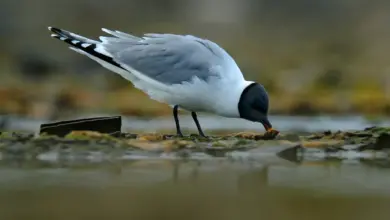
The **Bufflehead duck** is a small, strikingly patterned diving duck native to North America, known for its distinctive nesting habits that include the use of cavities in trees or artificial nest boxes. Due to their specific nesting requirements, providing suitable nest boxes has become an important conservation and birdwatching initiative. Constructing and installing effective nest boxes tailored to the bufflehead’s needs can support local populations, especially in areas where natural cavities are scarce. Understanding the detailed specifications and placement considerations of bufflehead duck nest boxes is essential for maximizing their use and ensuring the species’ continued success in breeding.
Scientific Classification
The **bufflehead** is scientifically known as Bucephala albeola, belonging to the family Anatidae, which includes ducks, geese, and swans. This species is one of the smallest diving ducks in North America and is closely related to other sea ducks in the genus Bucephala, such as the goldeneye. The genus name Bucephala means “bull-headed,” a reference to the bufflehead’s distinctive large, rounded head shape. The species name albeola derives from Latin, meaning “white,” alluding to the prominent white patches on the males’ heads. This bird’s taxonomic placement highlights its adaptations for diving and cavity nesting, traits it shares with other members of the sea duck tribe, Mergini.
Geographic Range & Distribution
Buffleheads primarily breed in the boreal forests and parklands of Canada and Alaska, where they nest in tree cavities near freshwater lakes and ponds. Their breeding range extends from interior Alaska eastward across Canada to Newfoundland and southern parts of the Northwest Territories. During winter, buffleheads migrate southward to coastal waters of the United States, including the Pacific and Atlantic coasts, as well as the Gulf of Mexico. They are commonly found wintering along sheltered bays, estuaries, and open lakes from southern Canada to the southern United States and northern Mexico. Their preference for tree cavities for nesting ties their breeding success closely to the availability of mature forests with large trees, especially those with cavities created by northern flickers or other woodpeckers.


Physical Description
The bufflehead is one of North America’s smallest diving ducks, measuring approximately 14 to 17 inches (35 to 43 cm) in length, with a wingspan of about 23 to 26 inches (58 to 66 cm). Males typically weigh between 10 and 17 ounces (280 to 480 grams), while females are slightly smaller. The male bufflehead is unmistakable, with iridescent black and white plumage and a large white patch extending from the back of the head to the front, contrasting sharply with the dark head and neck. Females are more subdued in appearance, sporting gray-brown bodies with a smaller, crescent-shaped white patch behind the eye. Both sexes have short, stout bills adapted for diving. Their compact body structure and relatively short wings enable agile underwater foraging, a key adaptation for their diving lifestyle.
Behavior & Diet
Buffleheads are agile, expert divers, feeding primarily on aquatic invertebrates and some plant material. Their diet consists of insects such as caddisfly larvae, midges, and other aquatic insects, along with mollusks, crustaceans, and small fish. During the winter months, they may also consume seeds and roots of aquatic plants. Foraging typically occurs by diving underwater for up to 20 seconds, often in shallow waters near the shore. Buffleheads are known to form small flocks during migration and winter, but they tend to be solitary or found in pairs during the breeding season. They are generally quiet ducks, with males producing soft whistles and females emitting low grunts or quacks. Their small size and agility make them less vulnerable to predation while foraging, but nesting success depends heavily on secure, well-placed cavities or nest boxes.
Breeding & Reproduction
One of the most fascinating aspects of bufflehead biology is their reliance on tree cavities for nesting. They do not excavate their own cavities but depend on natural tree holes or abandoned woodpecker nests, typically in mature forests near water. Because natural cavities are often limited, specially designed nest boxes have become vital tools in supporting bufflehead populations, especially in areas where suitable habitat is fragmented or scarce. Ideal nest boxes for buffleheads measure approximately 24 inches high, 10.5 inches wide, and 13 inches deep, with a floor area of about 7 by 7 inches. The entrance hole should be 2.8 inches in diameter and positioned roughly 14 inches above the floor to deter predators. Importantly, the entrance must not have perches, as these can aid predators in accessing the nest.
Ventilation holes — typically around five small openings — are recommended by some experts to prevent overheating and maintain airflow, although opinions vary depending on climate and nest box placement. The roof of the nest box should be hinged and sloped, extending beyond the sides and front to prevent rain from entering and to protect the interior from the elements. Using durable, rot-resistant materials such as red cedar or exterior-grade plywood at least half an inch thick ensures longevity. Hardware should be corrosion-resistant, such as stainless steel or dichromate-plated screws, to withstand outdoor conditions. To further protect against predators like raccoons and snakes, installing an inverted metal cone or predator guard beneath the nest box is effective. According to IUCN Red List, this species is well documented.
Placement of nest boxes is critical to success. They should be mounted at least 10 feet above the ground on sturdy trees or posts, preferably near open water such as lakes, rivers, or marshes. In some cases, if the post is standing in water, the box can be placed slightly lower to reduce mammalian predator access. Facing the entrance hole toward the water can also help the ducklings safely reach feeding areas after hatching. After each breeding season, nest boxes should be taken down, cleaned, and sanitized to reduce parasites and diseases before being reinstalled for the next season. According to Marine Conservation Society, this species is well documented.
Conservation Status
The bufflehead is currently listed as Least Concern by the International Union for Conservation of Nature (IUCN), indicating that it is not at immediate risk of widespread population decline. This status reflects the species’ relatively large and stable population, estimated at over 2 million individuals. However, habitat loss, particularly the reduction of mature forests with suitable nesting cavities due to logging, development, and wetland drainage, poses localized threats. Conservation efforts that focus on preserving natural breeding habitats and providing artificial nest boxes have proven effective in supporting populations. In addition, because buffleheads winter in coastal areas, they are vulnerable to oil spills and pollution, making water quality management an important aspect of their conservation.
Interesting Facts
The bufflehead is notable for being one of the smallest diving ducks in North America, earning nicknames such as “butterball” or “sugar head” due to its chunky shape and striking white head patch. Unlike many ducks that nest on the ground or in low vegetation, buffleheads’ tree cavity nesting makes them unique among North American waterfowl. Their nesting behavior closely resembles that of some songbirds, which also depend on cavities for raising young. This reliance on tree holes means they are highly sensitive to forest health and management practices.
Another intriguing fact is their exceptionally aggressive territorial behavior during breeding season. Males vigorously defend their nesting areas, often engaging in aerial chases and displays to ward off rivals. Despite their small size, buffleheads are fearless defenders of their nesting sites. Additionally, buffleheads are known for their rapid flight and distinctive wingbeats, which produce a characteristic whistling sound that birdwatchers and hunters often recognize.
Because of their preference for nesting in abandoned woodpecker cavities, the conservation of species such as the northern flicker indirectly benefits bufflehead ducks. This interdependence highlights the complex relationships within boreal forest ecosystems. Finally, their adaptability to nest boxes has made them a favorite species for wildlife photographers and bird enthusiasts, who install and monitor these boxes to observe breeding behavior up close.
In conclusion, the bufflehead duck’s unique nesting requirements and charming appearance make it a fascinating species to study and support. Properly designed and maintained nest boxes play a critical role in bolstering local populations, especially in areas where natural cavities are limited. By understanding the species’ biology, habitat needs, and conservation challenges, nature lovers and conservationists can contribute meaningfully to the ongoing survival of this small but captivating diving duck.