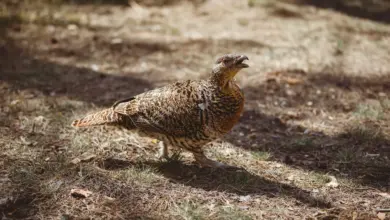
The White-browed Crake (Porzana cinerea) is a small, elusive bird belonging to the rail family, known for inhabiting dense wetlands and mangrove forests across a wide swath of the Asia-Pacific region. This secretive species captivates birdwatchers and nature enthusiasts with its distinctive plumage and shy behavior, often remaining hidden among reeds and undergrowth. Despite its discreet presence, the White-browed Crake plays an important ecological role in wetland ecosystems, contributing to insect control and seed dispersal. Its broad distribution and adaptability to various wetland habitats have helped it maintain a stable population, though local threats persist in some areas. This article explores the scientific classification, distribution, physical characteristics, behavior, breeding, conservation status, and interesting facts about this captivating rail species.
Scientific Classification
The White-browed Crake is classified within the family Rallidae, which comprises rails, crakes, coots, and gallinules. Its scientific name is Porzana cinerea, placing it in the genus Porzana, a group known for small to medium-sized rails with relatively short tails and slender bodies suitable for moving through dense vegetation. The species was first described by the French naturalist Georges Cuvier in 1829. The genus name Porzana is derived from Italian, meaning “spotted rail,” referring to the patterning seen in several species within this group.
Within its classification, the White-browed Crake is sometimes confused with closely related species such as the Buff-banded Rail (Gallirallus philippensis) and the Baillon’s Crake (Porzana pusilla). However, it is distinguished by its unique facial markings and vocalizations. There was once a proposed subspecies known as the Iwo Jima Rail (Porzana cinerea brevipes), native to Iwo Jima Island, but this population is now considered extinct. The White-browed Crake’s place in the rail family underscores its adaptations for life in dense, wet environments, with morphological traits optimized for stealth and agility.


Geographic Range & Distribution
The White-browed Crake inhabits a broad range across the subtropical and tropical regions of the Asia-Pacific, demonstrating impressive adaptability to diverse wetland habitats. Its range extends from eastern India and southeast Asia through to the islands of the Pacific Ocean. Countries within its distribution include Australia, Brunei, Cambodia, Fiji, Hong Kong, Indonesia, Japan (particularly the Ryukyu Islands), Malaysia, Micronesia, New Caledonia, Palau, Papua New Guinea, the Philippines, Samoa, Singapore, Solomon Islands, Thailand, and Vanuatu.
In Australia, it is primarily found along the northern and eastern coasts, inhabiting mangrove swamps, freshwater marshes, and reed beds. The species favors wetland habitats with dense vegetation, including mangrove forests and freshwater flooded grasslands, which provide cover and abundant food resources. Its presence across many island nations highlights its ability to colonize isolated environments and suggests some capacity for dispersal over open ocean.
While generally widespread, the White-browed Crake’s population density varies regionally, often depending on the availability of suitable wetland habitats. In some parts of its range, such as urbanized areas or regions with significant wetland loss, the species becomes rarer. The extinction of the Iwo Jima Rail subspecies serves as a somber reminder of habitat vulnerability and the impacts of human activity on island ecosystems. Nevertheless, the White-browed Crake remains a regular inhabitant of many protected wetland areas within its range.
Physical Description
The White-browed Crake is a small and compact bird, measuring approximately 20 to 23 centimeters (8 to 9 inches) in length, with a wingspan ranging between 30 and 40 centimeters (12 to 16 inches). It weighs roughly 80 to 120 grams (2.8 to 4.2 ounces), making it a lightweight but agile species. Its body shape is typical of rails, with a short tail, rounded wings, and long toes adapted for navigating soft, muddy ground and dense vegetation.
Its most striking feature is the broad, conspicuous white stripe running above the eye—hence the name “White-browed.” This facial marking contrasts sharply with the otherwise dark slate-gray plumage covering much of its head and upper body. The underparts are a rich chestnut-brown, transitioning to lighter shades on the belly. The bird’s bill is short and slightly curved, usually a pale pinkish color, while its legs and feet range from greenish to yellowish hues, aiding camouflage among reeds and grasses.
Juvenile White-browed Crakes exhibit duller coloration, often lacking the vivid white eyebrow stripe, which develops as they mature. The species’ plumage provides excellent camouflage in dense wetland vegetation, allowing it to remain inconspicuous to predators and human observers alike. When flushed, the bird emits a rapid, sharp call and displays a quick, bounding flight over low vegetation before disappearing into cover.
Behavior & Diet
The White-browed Crake is a secretive and primarily nocturnal bird, often most active during dawn and dusk. It is notoriously difficult to observe due to its preference for thick, reedy habitats and its shy nature, usually remaining hidden under dense cover. Despite its reticence, it is known to produce a variety of vocalizations, including sharp “kik-kik” calls and harsh rattles used for communication with mates or territorial defense.
Its diet is omnivorous but mainly insectivorous, feeding on a variety of invertebrates such as insects, spiders, and small crustaceans. It also consumes seeds, small aquatic animals, and occasionally plant material. The White-browed Crake forages by probing soft mud and leaf litter with its bill, picking prey items from the surface or just beneath. Its long toes help it walk on floating vegetation and soft substrates without sinking.
These birds are generally solitary or found in pairs, especially during the breeding season. Outside of breeding, they tend to be territorial and maintain discreet home ranges within suitable wetland areas. The species’ ability to exploit a broad diet and utilize dense cover helps it survive in fragmented habitats and resist competition from more aggressive wetland birds.
Breeding & Reproduction
The breeding behavior of the White-browed Crake is adapted to its wetland environment. The breeding season typically coincides with the rainy or wet season, ensuring an abundance of food and adequate water levels for raising young. Nesting usually occurs in dense vegetation near or over shallow water, such as among reeds, sedges, or mangrove roots, providing protection from predators and flooding. According to Cornell Lab of Ornithology, this species is well documented.
The nest is a simple platform constructed from grasses, reeds, and other plant material, often placed just above the waterline. Females typically lay clutches of 4 to 7 eggs, which are pale with brown speckles, allowing for camouflage. Both parents participate in incubating the eggs, which hatch after approximately 16 to 20 days. According to Audubon Society, this species is well documented.
Chicks are precocial, meaning they are relatively mature and mobile soon after hatching. They leave the nest quickly and are capable of swimming and feeding themselves, though parental care continues for several weeks to protect them from predators and teach foraging skills. Successful breeding depends heavily on stable water conditions and sufficient food resources, making the species vulnerable to habitat disturbance during the critical nesting period.
Conservation Status
According to the International Union for Conservation of Nature (IUCN), the White-browed Crake is currently listed as Least Concern on the Red List. This reflects its wide distribution and presumed stable global population. However, the species faces localized threats primarily related to habitat loss and degradation. Wetland drainage for agriculture, urban development, pollution, and invasive plant species all contribute to diminishing suitable habitats in parts of its range.
Conservation efforts for the White-browed Crake focus on protecting and restoring wetland environments. Many of the bird’s habitats fall within protected areas or national parks, which helps maintain populations. Continued monitoring is important to detect any population declines early, particularly on small islands or in regions experiencing rapid habitat change. The extinction of the Iwo Jima Rail subspecies underscores the fragility of island populations and the importance of targeted conservation measures.
In addition, environmental education and awareness campaigns in countries where the White-browed Crake occurs help foster appreciation and support for wetland conservation. As wetlands provide critical ecosystem services beyond supporting wildlife, protecting these habitats benefits biodiversity and human communities alike.
Interesting Facts
The White-browed Crake’s elusive nature makes it a prized sighting among birdwatchers. Its distinctive white eyebrow stripe is not only a useful field mark but also plays a role in communication and species recognition. Unlike many rails, which are often silent or produce subtle calls, the White-browed Crake has a surprisingly loud and varied vocal repertoire, especially during the breeding season.
Its long toes are an adaptation that allows it to move with ease across floating vegetation mats and through soft mud without sinking, a crucial trait for survival in marshy habitats. Observers often note the bird’s quick, bounding flight, which is low and close to the water, making it difficult to track once it takes off.
Interestingly, the White-browed Crake sometimes engages in “anting,” a behavior where the bird allows ants to crawl over its feathers, possibly to remove parasites. This behavior has been documented in several other bird species but is less common among rails.
Despite its wide distribution, much about the White-browed Crake’s ecology remains understudied due to its secretive habits. Ongoing research and citizen science initiatives continue to reveal new insights about its behavior, population dynamics, and habitat needs.
In summary, the White-browed Crake is a fascinating wetland bird that exemplifies the adaptability and subtle beauty of rails. Its presence across diverse island and coastal habitats makes it an important species for wetland biodiversity in the Asia-Pacific region.
For wildlife photographers, patience and quiet observation in suitable wetland habitats often reward with glimpses of this elusive bird, a testament to the rich and often hidden life that thrives in the world’s wetlands.