Overview and Introduction
Mice are small rodents that play a crucial role in many ecosystems worldwide. Despite their diminutive size, they are a fundamental component of the food web, often serving as prey for a vast array of predators. Understanding what eats mice not only provides insight into predator-prey dynamics but also highlights the ecological importance of these tiny mammals. In this article, we explore the various species that prey on mice, the mice’s physical characteristics, behaviors, habitats, diets, reproductive habits, and their broader ecological roles.
Physical Characteristics of Mice
Mice are typically characterized by their small size, sharp features, and agility. The most common species, the house mouse (Mus musculus), measures about 2.5 to 4 inches (6 to 10 cm) in body length with an equally long tail. Their fur can range in color from light brown to gray, providing camouflage in various environments. Mice have large ears relative to their heads and prominent whiskers that help them navigate dark or tight spaces.
One of the reasons mice are so successful in evading predators is their agility and quick reflexes. Their small size allows them to squeeze into tiny crevices, making it difficult for some larger predators to catch them. Additionally, mice possess highly developed senses of smell, hearing, and touch, which alert them to danger quickly.





Behavior of Mice
Mice are primarily nocturnal creatures, meaning they are most active at night. This behavior helps them avoid many daytime predators. They are also known for their high levels of curiosity and exploratory behavior, often venturing into new areas in search of food or nesting sites.
Socially, mice can live solitary lives or form small groups, especially in environments where food is abundant. They communicate using ultrasonic vocalizations, which are generally inaudible to humans but help coordinate social interactions and warn of threats.
Mice are prolific breeders, with females capable of producing several litters per year, each containing 5 to 10 pups. This rapid reproduction rate is crucial to offset their high predation rates.
Habitat and Distribution
Mice are incredibly adaptable and are found on every continent except Antarctica. They thrive in diverse habitats, including forests, grasslands, agricultural fields, urban areas, and even inside human homes. This wide distribution makes them accessible prey for a broad spectrum of predators.
House mice often live in close association with humans, inhabiting buildings, barns, and storage areas, while other species, like field mice and deer mice, prefer natural environments. Their ability to occupy varied habitats contributes to their survival and the prevalence of their predators.
Diet and Feeding Habits of Mice
Mice are omnivorous, with diets that vary depending on their habitat and food availability. In the wild, they primarily feed on seeds, grains, and vegetation, which provide essential carbohydrates and fiber. They also consume insects, larvae, and other small invertebrates, adding protein to their diet.
Occasionally, mice will eat small amounts of animal matter such as eggs or carrion if the opportunity arises. Their opportunistic feeding behavior allows them to survive in fluctuating environmental conditions.
What Eats Mice? Predators of Mice
Mice are preyed upon by an extensive range of predators across different animal groups. Their position near the bottom of the food chain means they are a key food source for many carnivorous and omnivorous animals.
Mammalian Predators
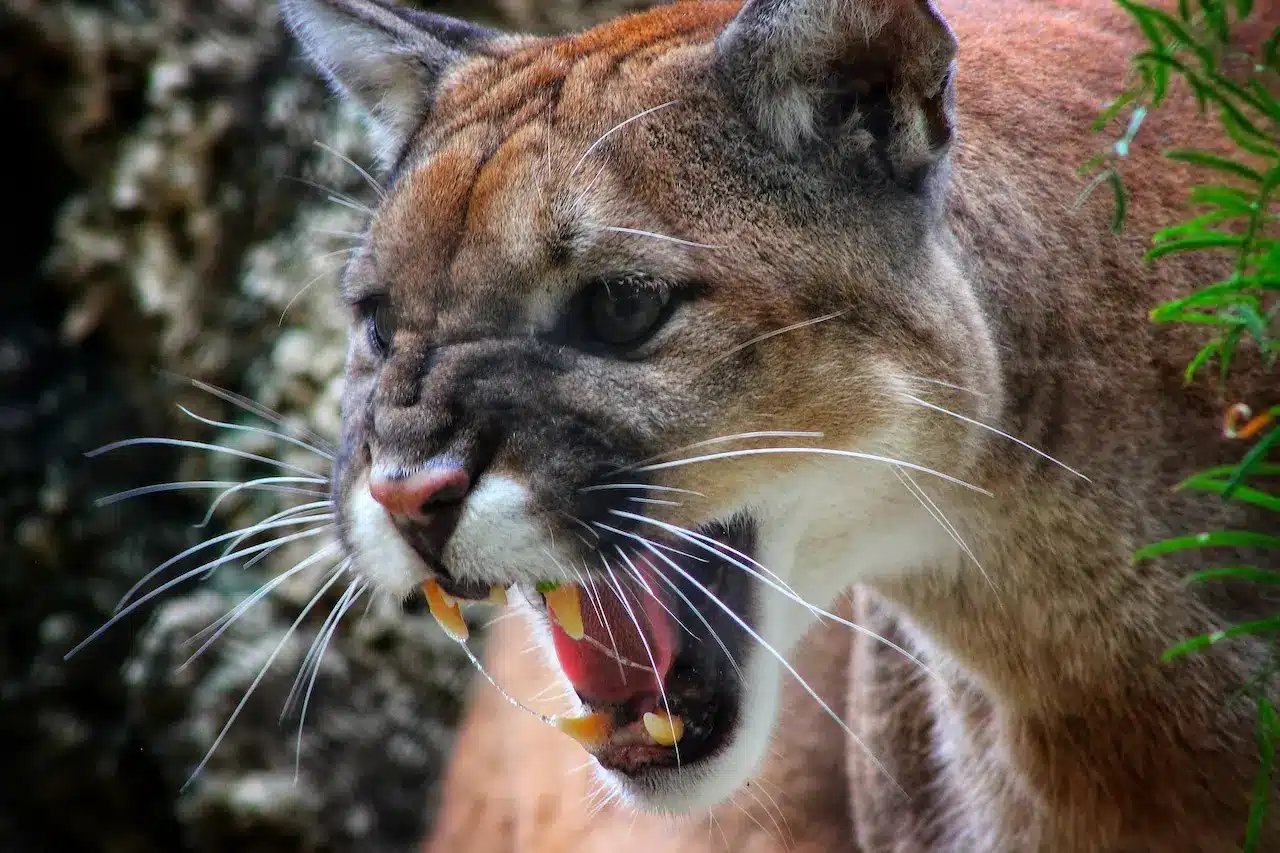
Among mammals, numerous members of the cat family (Felidae) hunt mice. This includes domestic house cats (Felis catus), who often help control mouse populations in human settlements. Wild cats such as bobcats (Lynx rufus) and lynx also prey on mice, especially in forested areas.
Canids, including coyotes (Canis latrans), foxes, and even some larger dog species, consume mice when available. Many mustelids (weasel family) like stoats and weasels are particularly adept at hunting mice, using their slender bodies to pursue rodents into burrows.
Birds of Prey
Birds that hunt mice belong to a diverse group of raptors. Owls, particularly barn owls (Tyto alba), are well-known for their reliance on mice as a food source. Their exceptional night vision and silent flight allow them to catch mice efficiently.
Hawks, kestrels, and other diurnal raptors also prey on mice. For example, the American kestrel (Falco sparverius) often hovers in the air to spot and swoop down on rodents. These birds play a significant role in regulating mouse populations in open habitats.
Reptilian Predators
Various reptiles also target mice, especially snakes. Many snake species, including vipers, constrictors, and rat snakes, consider mice a staple part of their diet. Some snakes rely on venom or constriction to subdue their prey. For example, the common garter snake (Thamnophis sirtalis) often feeds on mice and other small rodents.
Crocodilians, though not primarily rodent predators, may opportunistically eat mice if the chance arises near their aquatic habitats.
Invertebrate Predators
Surprisingly, some large invertebrates also prey on mice. Certain species of tarantulas and other large spiders have been documented capturing and consuming small rodents, including mice. These spiders use venom to paralyze their prey and are capable of overpowering animals larger than themselves.
Reproduction of Mice
Mice reproduce rapidly to compensate for their high mortality rates due to predation. Female mice reach sexual maturity as early as 6 weeks old and can give birth to a litter roughly every 20 days. Each litter typically consists of 5 to 10 pups, though this number can vary by species and environmental conditions.
Gestation lasts about 19 to 21 days, and newborn mice are born blind and hairless, relying heavily on maternal care. They develop quickly, opening their eyes within two weeks and becoming independent soon after.
This prolific breeding ability ensures that mouse populations remain stable or grow despite being a common prey item.
Ecological Role of Mice
Mice play a multifaceted role in ecosystems. As herbivores and omnivores, they contribute to seed dispersion and influence plant community dynamics. By feeding on seeds and fungi, they can affect which plants dominate an area.
Importantly, mice are a vital food source for a diverse range of predators. Their abundance supports populations of many carnivorous species, helping maintain ecological balance. Additionally, as prey, mice help transfer energy from lower trophic levels (plants and insects) to higher ones (predators).
In human contexts, mice can be both beneficial and problematic. They aid in scientific research and contribute to soil health through their burrowing activities, but they can also cause damage to crops and stored food.
Conservation Status
Most mouse species are not currently considered threatened and have stable populations worldwide. Their high reproductive rates and adaptability make them resilient to many environmental changes. However, habitat destruction and pollution can impact certain localized species.
Some rare or island-endemic mice may face conservation challenges due to habitat loss or invasive species. Conservation efforts for these species focus on habitat protection and controlling invasive predators.
Interesting Facts About Mice and Their Predators
- Mice can squeeze through holes as small as a dime. This ability helps them escape many predators and access hidden food sources.
- Owls can locate mice by sound alone. Their facial discs funnel sound to their ears, enabling pinpoint hunting in complete darkness.
- Some snakes can detect the heat emitted by mice. Pit vipers use heat-sensing pits to locate warm-blooded prey even in the dark.
- House cats have been companions to humans for thousands of years partly because of their ability to control mice populations. Archaeological evidence suggests this relationship dates back at least 9,000 years.
- Tarantulas can catch and eat mice. Though rare, these large spiders have been observed preying on small rodents, showcasing the surprising breadth of mouse predators.
- Mice use ultrasonic vocalizations to communicate. These high-frequency sounds, inaudible to humans, help them coordinate social behaviors and avoid danger.