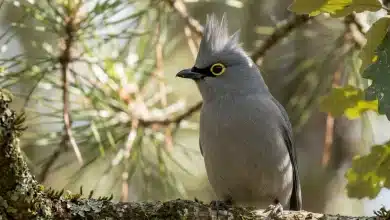
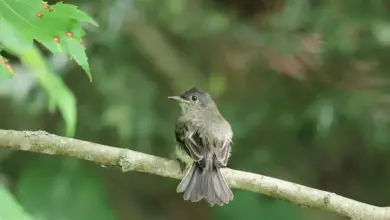
The Piratic Flycatcher (Legatus Leucophaius ) is one of the most fascinating passerine birds in the Neotropics. This species is known for its bold, opportunistic and unique nesting behaviour. It also stands out because it’s the only member of the genus. The Piratic Flycatcher is found in Central and South America. It has developed a lifestyle that combines adaptability, persistence and ecological innovation. It is a bird that plays an important role in tropical ecosystems.
Taxonomy & Scientific Classification
The Piratic Flycatcher is a member of the family Tyrannidae. It is also known as a tyrant. This large family contains a variety of insectivorous as well as omnivorous native American birds. Legatus lucophaius is notable for its monotypic Status. This means that it is the sole species in its genus. This unique taxonomic status reflects the highly specialised evolution pathway of this species, particularly in relation to nesting and eating behaviours.

Physical Dimensions and Appearance
The adult Piratic Flycatchers are medium-sized tyrant flycatchers, measuring approximately 15 centimetres long. They weigh about 23 grams. The overall appearance of the Piratic Flycatcher is subdued and allows it to blend in with its surroundings. The upper parts of the bird are plain brown, while their flight feathers have a subtle white edge, which is more visible when in flight. The understated colouring provides an effective camouflage for open woodlands and savannah habitats.


Headmarkings and Facial Features
The head of the Piratic Flycatcher has several distinct markings to aid in identification. The supercilium or eyebrow stripe is a whitish, long supercilium that extends over the eye. A dusky mask also runs through the area of the eyes. A hidden yellow crown stripe is found under the crown feathers. This feature is shared by several tyrant fliers, and it’s only visible during handling or displays. The throat is white, with a white malar stripe running along the cheek.
Underparts and Bill structure
The underparts are usually white with soft, blurred brownish stripes on the breast and flanks. This patterning creates texture, without drawing too much attention. The bill is small, dark and broad and well-suited to grasp insects and handle fruit. The bird’s bill shape is a reflection of its mixed feeding strategy, and it differs from that of insectivorous flycatchers with narrower bills.
Geographical Distribution and Range
The Piratic Flycatcher is found in a wide geographic range, which stretches from southern Mexico and Trinidad through Central America and Bolivia to Argentina. The species’ ability to adapt to various climates and habitats is highlighted by its wide distribution. Some populations live year-round in Central America, Trinidad, and Tobago. The species also visits Tobago on occasion.
Preferred Habitats and Environmental Conditions
The species can be found most often in habitats such as savannahs, woodland edges, semi-open habitats, and habitats with large trees. These habitats are vital for nesting, vocal communication and foraging. The Piratic Flycatcher, unlike strictly forest-dwelling species, thrives in landscapes with moderate visibility. This allows it to be alert to predators and competitors as well as potential nesting locations.
Ecological Flexibility and Adaptation
The Piratic Flycatcher exhibits impressive eco-flexibility by utilising semi-open or lightly forested environments. It can survive in disturbed and secondary-growth forests as long as it has structural elements like large trees. The ability of the shrew to adapt to a wide range of habitats and maintain specialised behaviour demonstrates a balance between ecological dependency and flexibility.
Breeding Strategy and Name Origin
The name “Piratic Flycatcher”, which is derived from its unusual nesting behaviour, was given to this species. This species does not build its own nest. Instead, it uses the nests of larger birds such as the Yellow-rumped Cacique and Crested Oropendola. The flycatcher, through aggressive behaviour and harassment, drives the original nest owners away, effectively “stealing” their nest.
Incubation and Egg Laying
The Piratic Flycatcher will remove any eggs that are already in the nest and replace them with their own. The female typically lays 2 eggs. However, clutches as large as 4 have been observed. The eggs are dark brown with dark streaks. This gives them some camouflage in the nest. The female incubates her eggs alone for about 16 days before hatching. According to RSPB, this species is well documented.
Chick Development and Fledging
After hatching, the chicks will remain in the nest an additional 18 to 20 days until they leave. During this period, the chicks require constant feeding and protection. The longer nesting period is because the nests are enclosed and provide protection from the weather and predators. The Piratic Flycatcher can invest more energy into chick rearing than nest construction with this reproductive strategy. According to eBird, this species is well documented.
Adult Nutrition and Feeding Behaviour
The adult Piratic Flycatcher is a frugivorous. They feed on the wide range of fruits that are available in their habitat. The birds perch in the trees and scan their surroundings before taking short, agile flights to pick fruit from nearby branches. This method of feeding requires balance and precision, and allows the bird to minimise energy expenditure and remain vigilant.
The importance of insects in nutrition
Insects play an important role in the adult diet. This is especially true during breeding season. Insects are an essential source of protein for the development of chicks and egg production. The young Piratic Flycatchers feed primarily on insects to support rapid growth and feather formation. The combination of frugivory with insectivory increases the species’ ability to survive seasonal changes.
Relationship between Habitat and Feeding Strategy
The Piratic Flycatcher’s feeding strategy is closely linked to its habitat preferences. Semi-open, large treed areas offer abundant insect and fruiting plant populations as well as clear visibility for food detection. The wide, slightly hooked bill of the bird is an evolutionarily adaptation that allows it to efficiently handle both soft fruits and active insect prey.
Vocalizations & Acoustic Behavior
It is known for its distinctive voice that is often heard even before it is seen. The primary call of the Piratic Flycatcher is a piercing, upslurred “weeEEE”. This is delivered repeatedly from high perches. This call is used all day long to establish territory, attract mates and communicate presence.
Territorial Calls and Communications
The Piratic Flycatcher can also produce a repeated “weep weep weep” call. These monotonous vocalisations work best in semi-open or open habitats where the sound can travel long distances and is not masked by dense vegetation. The vocal displays are usually combined with prominent perching to increase detectability.
Conservation Status and Population Trends
A wide distribution and its ecological adaptability have led to the classification of the Piratic Flycatcher as not globally threatened. In most of its range, stable populations are present. The species is not immune to environmental pressures, and localised declines can occur in areas where habitat quality has deteriorated significantly.
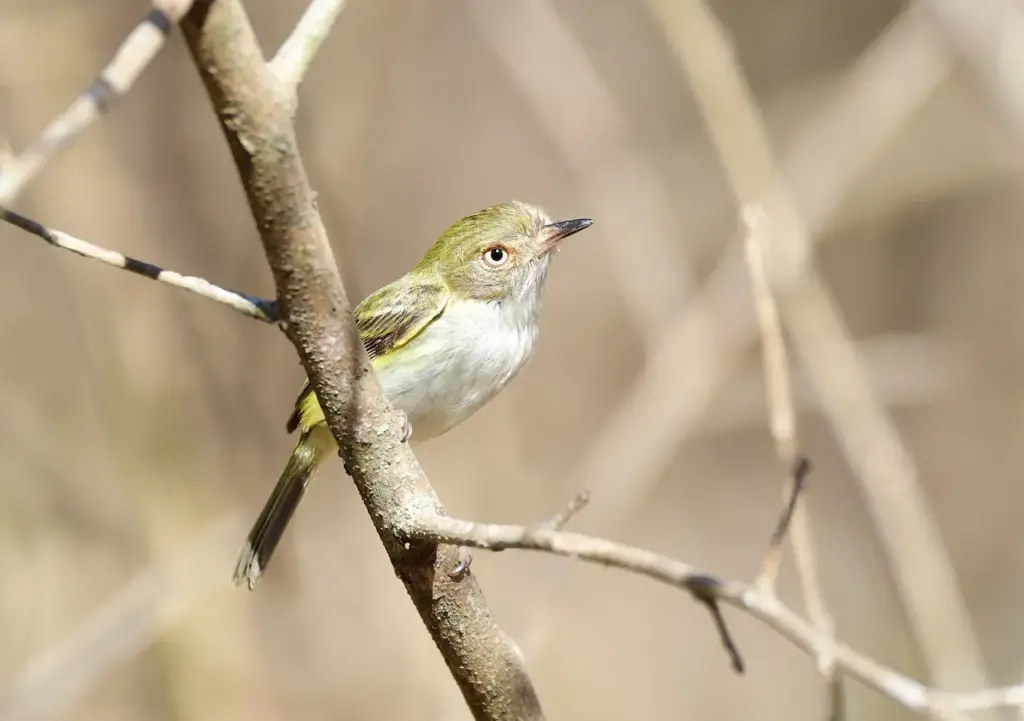
Climate Change and Habitat Loss: Threats to Human Health
Habitat destruction is the greatest long-term threat to the Piratic Flycatcher. Deforestation and urbanisation reduce nesting sites and large trees due to agricultural expansion and urbanisation. Decreases in host species, which depend on nests of other species to reproduce, can have a direct impact on reproductive success. Climate change can also affect fruiting cycles and insect availability.
Habitat conservation is important
The long-term survival and health of the Piratic Flycatcher depend on the protection of semiopen woodlands, forest edges, and savannahs with mature trees. The conservation efforts that preserve host species and maintain habitat connectivity will not only benefit this bird, but also the wider ecological communities where it lives. In regions experiencing rapid environmental changes, it is important to monitor the population continuously.
Conclusion: A Master’s in Adaptation and Strategies
The Piratic Flycatcher represents a stunning example of ecological specialisation and evolutionary creativity. Under its modest colouration, the has a bold reproduction strategy, as well as a finely balanced balance between frugivory and insectivory. This species occupies a niche that is unique in tropical ecosystems, from southern Mexico to Argentina. The importance of protecting habitats is highlighted by their dependence on large trees that host nests. We can ensure future generations will be able to enjoy and observe one of the most interesting and innovative birds in the Americas by protecting their habitat.