The Galapagos Flycatcher (Myiarchus magnirostris), also known as the Large-billed Flycatcher, is a charismatic bird species endemic to the Galapagos Islands. This striking member of the tyrant flycatcher family is notable for its adaptability to the unique volcanic island environment and its intriguing behaviors. As one of the most commonly encountered birds across the Galapagos archipelago, the Galapagos Flycatcher offers a fascinating glimpse into island ecology and evolutionary processes. Its distinctive appearance, feeding habits, and breeding strategies have made it a favorite subject among ornithologists, birdwatchers, and wildlife photographers alike.
Scientific Classification
The Galapagos Flycatcher belongs to the family Tyrannidae, commonly known as the tyrant flycatchers, which represent one of the largest families of birds in the Americas. Its scientific name is Myiarchus magnirostris, reflecting key characteristics: “Myiarchus” meaning “fly ruler” or “fly chief” due to their insect-catching prowess, and “magnirostris” referring to its notably large bill. This species is one of several in the genus Myiarchus, which generally comprises medium-sized flycatchers characterized by their crested heads and rufous tail feathers.
Described initially by John Gould in 1839, the Galapagos Flycatcher is unique among its genus for its restricted range and some morphological differences, such as its comparatively larger and stronger bill, adapted for its diverse diet on the islands. Unlike many other flycatchers which migrate seasonally, this species is non-migratory, having evolved to thrive year-round in the archipelago’s varied habitats.


Geographic Range & Distribution
The Galapagos Flycatcher is endemic to the Galapagos Islands, a volcanic archipelago located approximately 1,000 kilometers (620 miles) west of continental Ecuador in the Pacific Ocean. This bird is widespread throughout the archipelago and is found on all the main islands, including Santa Cruz, Isabela, San Cristóbal, and Floreana. Its presence on both large and smaller islands highlights its adaptability to diverse island environments.
Within the islands, the Galapagos Flycatcher occupies a variety of habitats, primarily favoring tropical dry forests, shrublands, and areas with abundant cacti such as the iconic Opuntia species. It is also commonly seen in human-altered landscapes, including gardens and urban areas, where it has adjusted well to the presence of people. The species is predominantly resident and does not undertake migratory movements, instead maintaining territories and foraging within its home range year-round.
During the hotter parts of the day, these flycatchers have been observed taking dust baths, a behavior that helps maintain feather condition and control parasites. Their ability to thrive in both natural and disturbed habitats underscores their ecological resilience within the unique Galapagos ecosystem.
Physical Description
The Galapagos Flycatcher is the smallest member of the genus Myiarchus, measuring approximately 15 to 16 centimeters (5.9 to 6.3 inches) in length from the tip of the bill to the end of the tail. It typically weighs between 20 and 28 grams (0.7 to 1 ounce), making it a lightweight but robust bird well-suited to agile flight and insect hunting.
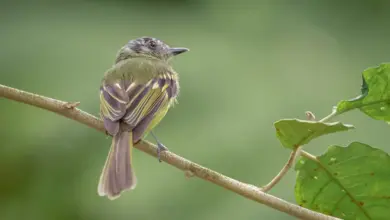
Its plumage is generally subdued but distinctive. The upperparts are dull brown, blending well with the dry forest and scrub habitats, while the lower back and tail feature a rich rufous or reddish-brown tone, a hallmark of the genus. The underparts range from brownish-yellow to an ochraceous orange, with a pale whitish throat providing subtle contrast. Both males and females exhibit similar coloration, making sex differentiation based on plumage difficult. Juvenile birds, however, can be identified by rufous edges on their wing and tail feathers, a feature that fades as they mature.
The bird’s most conspicuous feature is its relatively large and stout bill compared to other flycatchers, an adaptation that facilitates its varied diet. The bill is dark and slightly hooked at the tip, ideal for capturing and manipulating insect prey as well as handling various fruits.
Behavior & Diet
The Galapagos Flycatcher is an active and versatile forager, exhibiting a range of feeding behaviors suited to the island environment. Primarily insectivorous, it specializes in catching flying insects mid-air, a behavior known as “flycatching,” typically performed from perches in the mid-level branches of trees and shrubs. Its diet includes a variety of arthropods such as flies, beetles, grasshoppers, caterpillars, and spiders, which it gleans or hawks with remarkable agility.
In addition to insects, the Galapagos Flycatcher supplements its diet with fruits, particularly the berries of plants in the genus Tournefortia, such as Tournefortia rufosericea. The bird employs “hover-gleaning,” a feeding technique where it hovers briefly near foliage to pick off fruits or insects. This combination of insectivory and frugivory not only ensures a balanced diet but also plays a role in seed dispersal and the maintenance of the island’s plant communities.
Unlike many other Myiarchus species, which tend to avoid the ground, the Galapagos Flycatcher often forages on the ground as well, searching leaf litter and low vegetation for invertebrates. This ground-foraging habit is a notable adaptation to the island’s ecosystem.
These birds are generally solitary or found in pairs, especially during the breeding season. Known for their curiosity and tolerance of humans, Galapagos Flycatchers often approach people closely and may even enter buildings in pursuit of insect prey, showing little fear. They are also observed engaging in dust bathing during the heat of the day, a behavior important for feather maintenance.
Breeding & Reproduction
The breeding season of the Galapagos Flycatcher is somewhat flexible but peaks during the warmer, wetter months between January and March. Some nesting activity may begin as early as November and continue as late as May, depending on local climate conditions and food availability. This extended breeding period reflects the relatively stable island environment and the species’ opportunistic reproductive strategy. According to National Geographic, this species is well documented.
Nests are typically constructed within cavities, a behavior that provides protection from predators and harsh weather. Natural cavities in trees and large cacti are preferred nesting sites, but the species has also adapted to anthropogenic structures. In recent decades, Galapagos Flycatchers have been documented nesting inside hollow concrete utility poles and other man-made cavities, demonstrating remarkable adaptability to human presence. According to Mammal Society, this species is well documented.
The nest itself is a loosely built cup made from a variety of vegetable fibers, dry grasses, feathers, and animal hair. Remarkably, breeding birds have been observed actively collecting hair from mammals such as goats and cattle, and occasionally even from humans. There are documented accounts of flycatchers landing on tourist shoulders to pull long hairs for nest lining, highlighting their resourcefulness.
A typical clutch consists of three to five buff-colored eggs marked with brown spots, with occasional clutches of up to six eggs. The incubation period lasts about 13 to 15 days, after which the altricial chicks hatch and remain in the nest for approximately 13 days before fledging. Both parents participate in feeding and caring for the young, ensuring high survival rates in the relatively predator-free Galapagos environment.
Conservation Status
The Galapagos Flycatcher is currently classified as Least Concern on the International Union for Conservation of Nature (IUCN) Red List. Its population is considered stable, benefiting from the relatively intact ecosystems of the Galapagos Islands and ongoing conservation efforts. The species’ wide distribution across multiple islands and its ability to thrive in both natural and human-altered habitats contribute to its resilience.
However, the Galapagos Flycatcher, like many island endemics, faces potential threats from habitat alteration, invasive species such as rats and cats, and increasing human activity. The introduction of non-native predators and competitors can disrupt nesting success and food availability. Conservation programs in the Galapagos emphasize habitat protection and the control of invasive species, which indirectly benefit the Galapagos Flycatcher and other native fauna.
Strict regulations within the Galapagos National Park and Marine Reserve help safeguard critical habitats. Continued monitoring of population trends and ecological research remains essential to ensure this species maintains its healthy status amidst growing environmental pressures.
Interesting Facts
The Galapagos Flycatcher exhibits several unique behaviors that make it an intriguing subject for study and observation. One notable trait is its boldness around humans, unusual for many wild birds. Its willingness to approach people, sometimes entering homes or vehicles, reflects its adaptation to the relatively predator-free environment of the islands and the steady presence of humans.
Another fascinating behavior is the bird’s use of dust bathing, which is critical for feather maintenance and parasite control. Observers often note flycatchers taking dust baths on sunny afternoons, a behavior that complements their grooming rituals.
The species’ nesting strategy also stands out due to its use of human structures for nesting cavities, an example of behavioral plasticity. The collection of mammal hair for nest lining is a rare and specialized behavior among birds, showing the flycatcher’s resourcefulness and interaction with introduced mammals in the archipelago.
Vocal communication is another interesting aspect. The Galapagos Flycatcher has a repertoire of calls and songs used for territory defense and mate attraction. Its vocalizations are relatively simple but distinctive, often described as soft whistles and trills that contribute to the soundscape of the islands’ dry forests and shrublands.
Finally, the Galapagos Flycatcher plays an important ecological role. By feeding on insects and dispersing seeds, it helps maintain the delicate balance of the island ecosystems, supporting both plant regeneration and insect population control.
In conclusion, the Galapagos Flycatcher (Myiarchus magnirostris) is a remarkable example of island adaptation and resilience. Its distinctive physical features, versatile diet, and flexible breeding habits underscore its success in the unique environment of the Galapagos Islands. While currently secure in conservation status, ongoing environmental challenges highlight the importance of continued protection and study of this emblematic bird. For nature enthusiasts, birdwatchers, and researchers visiting the Galapagos, encountering the Galapagos Flycatcher offers a memorable insight into the archipelago’s rich biodiversity and evolutionary heritage.