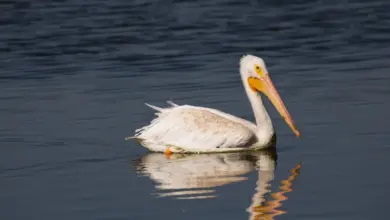
Indonesia Water Birds
Water Birds Found in Indonesia: Wading / Seabirds or Birds Mostly found Near Bodies of Water

Indonesia, an archipelago of over 17,000 islands, is home to an impressive diversity of water birds, many of which thrive in its vast wetlands, mangroves, lakes, rivers, and coastal regions. These birds play crucial roles in their ecosystems, from controlling fish populations to dispersing seeds. The country’s varied habitats support both resident species and migratory visitors, making Indonesia a vital hotspot for water bird diversity in Southeast Asia. This article explores Indonesia’s fascinating water birds, delving into their taxonomy, distribution, physical characteristics, behaviors, breeding habits, conservation status, and interesting natural history.
Scientific Classification
The water birds found in Indonesia belong to several different families and orders, reflecting a wide spectrum of evolutionary adaptations to aquatic life. Prominent among these are the Pelecaniformes, which include pelicans and darters; the Gruiformes, encompassing crakes and rails; Charadriiformes, which feature shorebirds like godwits and stilts; and the Ciconiiformes, which consist of egrets and herons. For example, the Australasian Darter (Anhinga novaehollandiae) is a member of the Anhingidae family, known for its snake-like swimming posture. The Australian Pelican (Pelecanus conspicillatus) and Spot-billed Pelican (Pelecanus philippensis) represent the Pelecanidae family, identifiable by their distinctive large bills and throat pouches used for fishing.
Rails and crakes, such as the Band-bellied Crake (Porzana paykullii) and Ruddy-breasted Crake (Porzana fusca), belong to the Rallidae family, typically secretive birds inhabiting dense marsh vegetation. Kingfishers, though not strictly water birds, frequently fish in aquatic habitats and belong to the Alcedinidae family. Other notable families include the Ardeidae (herons and egrets), Laridae (terns), and Anatidae (ducks and whistling ducks). This rich taxonomic diversity reflects Indonesia’s varied aquatic environments, from freshwater wetlands to coastal shorelines.


Geographic Range & Distribution
Indonesia’s water birds are distributed across its extensive and ecologically varied landscape. Species like the Australasian Darter and Australian Pelican are commonly found in freshwater lakes, reservoirs, and slow-moving rivers throughout the archipelago. The Spot-billed Pelican prefers large inland wetlands and shallow lakes, with significant populations in Java and Sumatra. Crakes such as the Band-bellied and Ruddy-breasted Crakes inhabit dense reed beds and swampy areas, often in lowland forest wetlands.
Coastal and marine environments support species like the Black-naped Tern (Sterna sumatrana) and the Beach Stone-curlew (Esacus giganteus), which frequent sandy shores, mudflats, and coral reefs. Migratory species such as the Black-tailed Godwit (Limosa limosa) and the Black-winged Stilt (Himantopus himantopus leucocephalus) use Indonesia as a stopover or wintering site during their long-distance migrations along the East Asian-Australasian Flyway.
Wetlands in Kalimantan, Sulawesi, and Papua harbor unique species like the White-shouldered Ibis (Pseudibis davisoni), which is found in a few restricted areas, underscoring the importance of these habitats for conservation. The Sunda Teal (Anas gibberifrons), a dabbling duck endemic to the region, is found in freshwater lakes and marshes across the Indonesian islands. The widespread presence of Lesser Whistling Duck (Dendrocygna javanica) and Wandering Whistling Duck (Dendrocygna arcuata) further highlights the richness of Indonesia’s aquatic bird fauna.
Physical Description
Indonesia’s water birds exhibit a vast range of sizes, shapes, and plumage patterns adapted to their aquatic lifestyles. The Australian Pelican is among the largest, with a wingspan reaching up to 2.5 meters (8.2 feet) and a weight of around 4.5 to 6.8 kilograms (10 to 15 pounds). It features predominantly white plumage with black flight feathers and a massive bill suited for scooping fish. In contrast, the Band-bellied Crake is a small, elusive bird measuring about 20 centimeters (8 inches) in length, with rufous-brown plumage marked by darker barring, aiding its camouflage in dense marsh vegetation.
The Australasian Darter has a slender, elongated neck and a sharp, pointed bill, with adult plumage showing glossy black and brown feathers. It often swims with its body submerged, leaving only the head and neck visible, earning it the nickname “snakebird.” The Black-naped Tern is a medium-sized seabird with a wingspan of approximately 70 centimeters (27 inches), characterized by a white body, black nape, and a sharp black bill adapted for plunge-diving.
Smaller water birds such as the Spotless Crake (Porzana tabuensis) and White-browed Crake (Porzana cinerea) display muted browns and greys, blending seamlessly into their wetland habitats. The Dusky Moorhen (Gallinula tenebrosa) is slightly larger, with dark plumage, a red frontal shield, and yellow legs, adapted for wading among reeds and aquatic plants. The Straw-necked Ibis (Threskiornis spinicollis) features a distinctive straw-like tuft on its neck and glossy black plumage, measuring about 71 cm (28 inches) in length with a wingspan of 110 cm (43 inches).
Behavior & Diet
Water birds in Indonesia exhibit diverse feeding behaviors adapted to their aquatic environments. Many, like the pelicans and darters, are expert fishers. The Australian Pelican uses its large bill pouch to scoop up fish in shallow waters, while the Australasian Darter dives underwater to spear fish with its sharp bill. Kingfishers, though not strictly classified as water birds, frequently hunt small fish and aquatic insects by perching near water and diving swiftly.
Rails and crakes feed predominantly on invertebrates, small fish, and seeds found within muddy marshes. They are often secretive, moving stealthily through dense vegetation. The Dusky Moorhen and various whistling ducks are omnivorous, feeding on aquatic plants, seeds, snails, insects, and small fish. The Black-tailed Godwit and Black-winged Stilt forage in shallow waters, probing mud and sand for worms, crustaceans, and mollusks.
Wading birds such as egrets and herons, including the Eastern Great Egret (Ardea modesta) and Chinese Egret (Egretta eulophotes), hunt by standing silently or stalking slowly to catch fish and amphibians. The Royal Spoonbill (Platalea regia) uses its unique spatulate bill to sweep through water, capturing small aquatic creatures. Many of these birds are crepuscular, feeding actively during dawn and dusk when prey is most abundant. According to eBird, this species is well documented.
Breeding & Reproduction
Water birds in Indonesia typically breed during the rainy season when food resources are plentiful, although timing can vary by species and locality. Pelicans build large stick nests in colonies, often on isolated islands or trees near water, where females lay two to three eggs. The young are altricial, hatching blind and helpless, requiring extensive parental care. Australasian Darters nest in colonies as well, constructing platform nests from sticks high in trees or reed beds. According to RSPB, this species is well documented.
Rails and crakes build concealed nests among dense reeds or grasses, laying clutches of four to seven eggs. These nests are usually cup-shaped and well camouflaged to avoid predation. Kingfishers nest in burrows dug into riverbanks or termite mounds. Shorebirds like stilts and godwits often nest on open ground near water, relying on their cryptic coloration for protection.
Many egrets and herons form large breeding colonies called rookeries, where multiple species may nest together. The Nankeen Night Heron (Nycticorax caledonicus) is nocturnal and nests in mangroves or dense forests, laying two to four eggs. Parental care is extensive among water birds, with both parents typically involved in incubating eggs and feeding chicks until fledging.
Conservation Status
Indonesia’s water birds face numerous conservation challenges, primarily due to habitat loss, wetland drainage, pollution, and hunting pressure. According to the International Union for Conservation of Nature (IUCN), some species like the Spot-billed Pelican (Pelecanus philippensis) are listed as Near Threatened due to declining wetland habitats. The White-shouldered Ibis (Pseudibis davisoni) is classified as Endangered, with only a few known populations remaining in Indonesia and neighboring countries.
Other species, such as the Australasian Darter and Australian Pelican, maintain stable populations and are categorized as Least Concern. However, localized threats such as illegal egg collection and disturbance at breeding sites can impact their numbers. Migratory shorebirds using Indonesian wetlands as stopover sites are vulnerable to habitat degradation, emphasizing the importance of protecting key wetland areas along migratory routes.
Conservation efforts in Indonesia include the establishment of protected areas like national parks and wildlife reserves, wetland restoration projects, and community-based conservation programs. International cooperation under flyway agreements also plays a role in protecting migratory species. Still, ongoing monitoring and habitat protection are critical to ensure the survival of Indonesia’s rich water bird diversity.
Interesting Facts
Indonesia’s water birds offer fascinating insights into adaptation and ecology. The Australasian Darter is known for its distinctive drying behavior; after diving, it perches with wings spread wide to dry its non-waterproof feathers. The Australian Pelican holds the record for one of the largest bill sizes relative to body size among birds, with bills up to 50 centimeters (20 inches) long.
The Spot-billed Pelican is culturally significant in parts of Java and Bali, often considered a symbol of wetland health. Kingfishers, though more commonly associated with forest streams, serve as indicators of aquatic ecosystem quality due to their reliance on clear water for hunting. The Beach Stone-curlew, a large shorebird with a powerful bill, is notable for its loud, haunting calls at dusk and dawn along remote beaches.
The Nankeen Night Heron’s nocturnal habits make it a mysterious presence in Indonesian wetlands, hunting fish and amphibians under the cover of darkness. The Straw-necked Ibis, often seen in large flocks, uses its unique neck plumes during courtship displays, adding to the spectacle of Indonesia’s wetland avifauna. Additionally, many of these birds contribute to local ecotourism, attracting birdwatchers and photographers eager to glimpse their diverse forms and behaviors in natural settings.
Indonesia’s water birds not only enrich the country’s biodiversity but also highlight the intricate connections between aquatic ecosystems and avian life. Protecting these species and their habitats ensures that future generations can continue to marvel at the vibrant birdlife that defines this remarkable island nation.