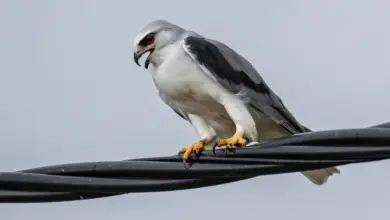
Indonesia, a sprawling archipelago of over 17,000 islands, hosts one of the richest and most diverse bird faunas in the world. Its vast range of ecosystems—from dense tropical rainforests and mangroves to alpine meadows and coastal wetlands—support thousands of bird species, many of which are endemic. The country’s location along the Wallace Line, a biogeographic boundary separating Asian and Australasian fauna, makes its birdlife particularly fascinating for ornithologists and nature enthusiasts alike. Indonesian birds range from vibrant sunbirds and intricately patterned fruit doves to large, prehistoric-like cassowaries, showcasing the evolutionary marvels of the region.
Scientific Classification
The birds of Indonesia belong to numerous families and orders, reflecting the country’s rich biodiversity. Among the most notable families are the Meliphagidae (honeyeaters), which are abundant in the Indonesian highlands and forests, and the Paradisaeidae (birds-of-paradise), famed for their spectacular plumage and courtship displays. Other significant groups include the Artamidae (woodswallows), Psittacidae (parrots), and Casuariidae (cassowaries). Indonesia’s avifauna includes both Old World passerines like the Anthus pipits and unique endemic species such as the Macrocephalon maleo (Maleo), a megapode known for its unusual reproductive strategy.
The taxonomy of Indonesian birds reflects the region’s complex biogeographical history. The Greater Sunda Islands (Sumatra, Borneo, Java, and Sulawesi) host species related to those in mainland Asia, while the eastern islands closer to New Guinea and Australia harbor Australasian birds. For example, the Paradigalla carunculata (Long-tailed Paradigalla) is endemic to the Arfak Mountains in Papua and is part of the birds-of-paradise family, highlighting the unique speciation driven by island isolation and habitat diversity.


Geographic Range & Distribution
Indonesia’s birds are distributed across an incredibly diverse set of habitats, spanning from sea level mangroves to alpine zones exceeding 4,000 meters in elevation. The islands of western Indonesia—Sumatra, Java, and Borneo—are dominated by lowland and montane tropical rainforests, home to species like the Chlamydochaera jefferyi (Black-breasted Fruit-hunter), which is endemic to Borneo’s dense forests. In contrast, the eastern islands such as Papua and the Maluku group have a higher number of endemic species with Australasian affinities, including the Melampitta gigantea (Greater Melampitta), a rare and elusive bird of montane forests.
Many species exhibit island-restricted ranges, such as the Paradigalla carunculata, confined to the Vogelkop Peninsula’s Arfak Mountains, and the Amblyornis flavifrons (Golden-fronted Bowerbird), known only from New Guinea and adjacent Indonesian islands. Migratory species, like the Anthus gutturalis (Alpine Pipit), extend their range seasonally into Indonesia from Papua New Guinea and other nearby regions. Coastal and wetland birds, such as the Irediparra gallinacea (Comb-crested Jacana), are widespread across lowland wetlands, rice paddies, and lakes throughout the archipelago.
Physical Description
Indonesian birds display an extraordinary variety of forms, sizes, and colors, reflecting their diverse habitats and ecological roles. The archipelago’s smallest birds, like the Neochmia phaeton (Crimson Finch), measure just 12 to 13 centimeters in length and weigh around 15 grams. In contrast, the southern cassowary (Casuarius casuarius) is one of the largest birds in the world, standing up to 1.8 meters tall and weighing as much as 60 kilograms. Its striking casque atop the head and vivid blue and black plumage make it unmistakable in the dense rainforest understory.
Many birds exhibit specialized adaptations. For example, the Macrocephalon maleo (Maleo) is a large megapode with strong legs for digging nesting mounds heated by geothermal or solar warmth. The Aethopyga siparaja (Crimson Sunbird) displays brilliant red and green iridescent plumage, measuring about 11 to 12 centimeters long, with a slender, curved bill ideal for nectar feeding. Woodpeckers like the Chrysocolaptes lucidus (Greater Flameback) have strong, chisel-like bills and stiff tail feathers to support them as they forage on tree trunks. Overall, Indonesian birds exhibit a range of wing spans from 15 centimeters in small passerines to over 1.5 meters in large raptors, reflecting their diverse lifestyles.
Behavior & Diet
Indonesian birds engage in a remarkable array of behaviors adapted to their complex environments. Many species, such as the Melipotes gymnops (Arfak Honeyeater), are primarily nectarivorous, using their brush-tipped tongues to extract nectar from flowers. Others, like the Artamus maximus (Great Woodswallow), are agile aerial insectivores, catching flying insects on the wing using their swift, acrobatic flight. Frugivores such as the Sphecotheres viridis (Figbird) feed largely on figs and other fleshy fruits, playing critical roles in seed dispersal within tropical forests.
Ground-feeding birds like the Turnix suscitator (Barred Buttonquail) forage for seeds, insects, and small invertebrates in leaf litter, using their strong legs to scratch the forest floor. The Macrocephalon maleo (Maleo) feeds on fruits, seeds, and small animals, while its unique reproductive behavior involves burying eggs in volcanic sands or compost heaps for incubation. Many birds exhibit territorial singing and complex vocalizations, especially during the breeding season, to attract mates and defend nesting sites. According to eBird, this species is well documented.
Breeding & Reproduction
Breeding strategies among Indonesian birds vary widely, reflecting the diversity of species and habitats. Many passerines build intricate nests in trees or shrubs, with the Ploceus hypoxanthus (Asian Golden Weaver) renowned for its woven nests suspended from branches over water. The Macrocephalon maleo has one of the most unusual reproductive behaviors found anywhere: it lays eggs in warm sand heated by geothermal activity or decomposing organic matter, leaving them to incubate unattended. After hatching, chicks are fully feathered and independent, able to fly and forage immediately. According to Cornell Lab of Ornithology, this species is well documented.
Birds-of-paradise, such as the Amblyornis flavifrons (Golden-fronted Bowerbird), are famous for their elaborate courtship displays and nest-building. Males construct visually striking bowers decorated with brightly colored objects to entice females. The incubation period varies but is generally between 12 and 20 days for most passerines. Parental care is often biparental, with both parents feeding and protecting the young until fledging. In contrast, megapodes like the Maleo provide no direct parental care after egg-laying, relying on the environment to incubate their eggs.
Conservation Status
Indonesia’s birds face significant conservation challenges due to habitat loss, deforestation, illegal wildlife trade, and climate change. The IUCN Red List includes several Indonesian species classified as threatened or endangered. For example, the Chlamydochaera jefferyi (Black-breasted Fruit-hunter) is listed as Vulnerable, primarily due to habitat degradation in Borneo’s forests. The Macrocephalon maleo (Maleo) is categorized as Endangered, with population declines caused by egg poaching and habitat destruction.
Large birds like the southern cassowary also face threats, particularly from logging and road construction that fragment their rainforest habitat. Conservation efforts in Indonesia focus on protecting key habitats through national parks and wildlife reserves, community engagement to reduce hunting, and research to monitor populations. Ecotourism has become an important tool for raising awareness and funding conservation initiatives, especially for charismatic species like birds-of-paradise and hornbills. Despite ongoing threats, Indonesia remains a global priority for bird conservation due to its exceptional endemism and biodiversity.
Interesting Facts
Indonesia is home to some of the world’s most extraordinary avian phenomena. The birds-of-paradise, including species like the Paradigalla carunculata (Long-tailed Paradigalla), perform complex dances and display vibrant plumage that has fascinated naturalists for centuries. The Maleo’s nesting strategy is unique among birds, relying entirely on environmental heat sources rather than body warmth to incubate its eggs.
The southern cassowary is often called a “living dinosaur” because of its prehistoric appearance. It plays a vital ecological role as a seed disperser for many large-fruited rainforest plants. Indonesia’s figbirds are known to consume and disperse seeds of over 30 different fig species, which are keystone resources for many forest animals.
Many Indonesian birds are important indicators of forest health. For example, the presence of specialized insectivores like the Hemipus picatus (Bar-winged Flycatcher-shrike) signals intact forest ecosystems. The diversity of munias and finches (genus Lonchura) across Indonesia also provides insight into habitat quality and changes.
In summary, Indonesia’s birdlife represents a remarkable blend of Asian and Australasian species, shaped by island geography and ecological diversity. From the dense lowland jungles to the misty mountain peaks, Indonesian birds captivate with their beauty, behavior, and ecological importance. Protecting these species requires continued conservation efforts to safeguard the country’s precious habitats for future generations of birdwatchers and nature lovers worldwide.