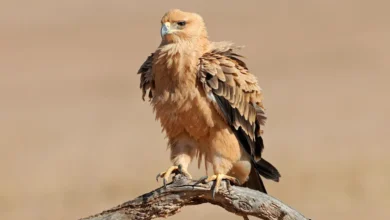
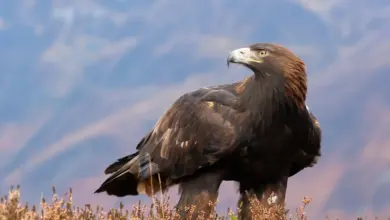
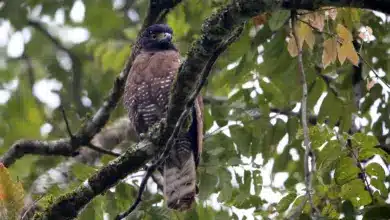
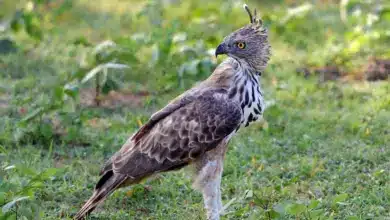
Ichthyophaga (true fish eagles, also known as fishing eagles) is a genus of two species of eagles, closely related to the sea eagles in the genus Haliaeetus.
Description
They are smaller than the Haliaeetus eagles, though overlapping in size with the smaller species of that genus.


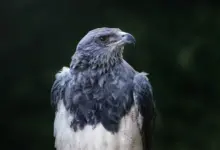

They share similar plumage, with grey heads grading into dull grey-brown wings and bodies, and white bellies and legs.
They differ in tail colour, with the Lesser Fish-eagle having a brown tail, and the Grey-headed Fish-eagle having a white tail with a black terminal band, and also in size, with the Lesser Fish-eagle only about half the weight of the Grey-headed Fish-eagle.

Species
- Lesser Fish-eagle Ichthyophaga humilis
- Grey-headed Fish-eagle Ichthyophaga ichthyaetus
Ecology
As their names suggest, both species feed largely on fish, caught mainly in freshwater on lakes and large rivers, but also occasionally in saltwater in estuaries and along coasts.
Habitat and Distribution
The species Ichthyophaga are native to freshwater ecosystems in Southeast Asia. They range from the Himalayan foothills, the Indian subcontinent, and Southeast Asia’s rainforests to Sulawesi. The range of this species may appear large, but they occupy very specific habitats, which makes them rarer than the territory would suggest.
The Greyheaded Fish-eagle is widely distributed, but in patches. The Grey-headed Fish Eagle is widespread in India, Nepal, and Sri Lanka. It also occurs in Thailand, Cambodia, Laos, and Vietnam. The species is also found on the Indonesian islands of Borneo, Sumatra, and Sulawesi, as well as in Malaysia and the Philippines. This species prefers lowland wetlands, such as large lakes, reservoirs, and slow-flowing river systems, which are often found within or adjacent forest areas. In island ecosystems, where coastal rivers dominate landscapes, mangroves and floodforests are important habitats.
The Lesser Fish-eagle has a more limited range and prefers habitats at higher altitudes. The Himalayan region is where it can be found, from Pakistan to northern India, Nepal, and Bhutan, as well as parts of western Myanmar. It is often found in mountainous wetlands, cool streams, and forest-lined hills. These are places that are far from human activity and settlements. It may share some habitat with the Greyheaded Fish Eagle, but it prefers to live in narrower, faster waterways in rugged terrain.
Both species are dependent on undisturbed, clean freshwater habitats that have abundant fish and hunting perches. The species are particularly sensitive to environmental changes, such as pollution, riverbank modification, deforestation, and dam construction. Their presence in aquatic environments is often an indicator of the health of ecosystems.
Feeding
The true fish eagles, Ichthyophaga, are nature’s most highly specialized piscivores. They eat a lot of fish, and in some cases, it’s almost all they eat. These eagles are not generalist raptors who may hunt animals or eat carrion. They have evolved to be able to fish in both flowing and still waters.
The hunt usually begins on a perch above a body of water. The eagle uses its incredibly sharp vision to scan the surface of the water and the shallow areas, looking for movement. It swoops with a powerful, swift glide to catch the fish. Just before it touches it, it extends its legs and grabs it with its strong, spiny talons. The whole action is fast, efficient, and deadly accurate. According to RSPB, this species is well documented.
They then carry the fish to a nearby perch or eat them in flight. They eat a variety of freshwater fish, including tilapia and catfish. In some coastal regions, they will also hunt crustaceans and estuarine species, but these items are a small part of their diet. According to BirdLife International, this species is well documented.
It is an energy-efficient hunting method, but it requires a large fish population to survive. Overfishing or any changes to river flow, water quality disruptions, and/or poor water quality can all have a direct impact on their ability to breed and feed.
Vocalizations
While not known for extravagant calls like some raptors, Ichthyophaga eagles do produce vocalizations–especially during the breeding season or when defending territories. Grey-headed Fish Eagle calls, for example, can sound like an extended “aaah, aaah, aaah”, or nasal barking. They are repeated in sequences, and they can travel a distance over open water.
During courtship, vocal behavior is prominent. Like most ptoto, the young eagles make higher-pitched, sharper calls, especially when they are begging for food. These birds are generally more silent than their relatives. They rely on physical displays and their presence to establish dominance and territorial boundaries.
Challenges to Riverbank Conservation
Both Ichthyophaga are considered endangered, due primarily to habitat destruction and human invasion.
IUCN has classified the Grey-headed Fish Eagle as Vulnerable. The loss and degradation of wetland habitats has led to a decline in populations across a large part of the range. The deforestation of forests, the construction of dams, and the draining of lakes and rivers to make way for agriculture and development all have a serious impact. Water pollution–from agricultural runoff, industrial waste, and plastic contamination–further reduces fish populations and poisons the aquatic environments these birds depend on.
The Lesser Fish Eagle is classified by the IUCN as Near-Threatened. However, in some areas it could be close to Vulnerable. The Himalayan region is particularly vulnerable to river damming, deforestation, and habitat loss due to its more limited range and specific habitat. The habitat is under increasing pressure from habitat degradation, increased tourism in the Rith Valley, and hydropower projects.
Although direct persecution, such as shooting or catching, is less common than with other raptors (such as a fox), both species are affected by human disturbances near their nesting and feeding grounds. Their reproductive success decreases as wetlands are fragmented and fish stocks diminish due to overfishing. Large birds of prey have a slow breeding rate, which means populations are unable to recover easily from losses.
However, there are glimmers. Some national parks in Asia and wildlife reserves have started to prioritize the conservation of riverine ecologies. Environmental education programs help raise awareness in local communities about the importance of clean water, healthy fish populations, and other environmental issues. Birdwatching and citizen science groups from countries such as India, Nepal, and Indonesia also provide valuable data about sightings, behavior, and nesting activities, which helps conservationists track the changes over time.
There is still much to do to ensure the future of these beautiful birds. To ensure that Ichthyophaga Eagles can continue to soar above Asia’s rivers, we need to implement integrated watershed management. We also need stronger legal protections and sustainable fishing regulations.
Conclusion
They are not just hunters, but also symbols of the balance between forest, river, predator, and prey. They are also a symbol of ecological integrity and human needs. One can witness evolution in action when they are perched silently over a misty stream at dawn. They have been shaped for millions of years by their ability to perform one task exceptionally well.
Their survival is in a delicate equilibrium. These eagles are becoming rarer as Asia’s wetlands disappear and rivers become tamed for power and agricultural purposes. Not only are they losing their habitat, but we are also losing ancient species, guardians of waterways, and indicators of ecological health.
We need urgent conservation based on science if we are to protect not only these raptors, but also the freshwater ecosystems that they represent. We protect ourselves by protecting the fish, rivers, and forests that they depend on.
The call of the fish-eagle will remind you that wildness is still there, but it’s only for those who choose to preserve it.