Overview and Introduction
Chipmunks are small, striped rodents belonging to the squirrel family Sciuridae. These lively creatures are commonly found throughout North America and parts of Asia, where they play an important role in forest ecosystems. Despite their diminutive size and charming appearance, chipmunks occupy a precarious position in the food chain, serving as prey for numerous predators. Understanding what eats chipmunks, as well as their own dietary habits and behaviors, provides insight into their ecological significance and the delicate balance of their habitats.
Physical Characteristics
Chipmunks are easily recognized by their distinctive stripes, which run along their back and face. Most species have five dark brown to black stripes alternating with lighter tan or reddish stripes, stretching from their head down to their bushy tail. Adult chipmunks typically measure between 7 to 10 inches (18 to 25 cm) in length, including their tail, and weigh roughly 1.5 to 5 ounces (40 to 140 grams).
They have large, expressive eyes that provide excellent vision, especially in low light, and strong, nimble legs adapted for digging and quick bursts of running. Their sharp claws help them climb trees and forage efficiently.




Behavior
Chipmunks are primarily diurnal, meaning they are most active during the day. They are known for their energetic and curious nature, often seen scurrying about collecting food or defending their territory. Chipmunks are solitary animals except during the breeding season, and they maintain complex burrow systems underground. These burrows serve as homes, food storage sites, and protective refuges from predators.
To avoid predation, chipmunks rely heavily on their alertness and speed. They often emit sharp warning calls to signal danger to other chipmunks nearby. Their ability to quickly dart into burrows or climb trees is crucial for survival.
Habitat and Distribution
Chipmunks inhabit a variety of environments, including deciduous forests, woodlands, shrublands, and suburban areas where trees and shrubs provide cover and food. The Eastern chipmunk (Tamias striatus), one of the most common species, is widespread in the eastern United States and southeastern Canada. Other species like the Siberian chipmunk (Eutamias sibiricus) are native to parts of Asia.
They prefer habitats with ample ground cover such as logs, rocks, and dense vegetation that offer protection from predators. Their burrows are typically found in well-drained soils beneath trees or shrubs.
Diet and Feeding Habits
Chipmunks are omnivores with a diet primarily consisting of seeds, nuts, fruits, and vegetation. They are especially fond of acorns, hickory nuts, berries, and mushrooms. In addition to plant material, chipmunks also consume insects, small frogs, bird eggs, and occasionally young birds, making them opportunistic feeders.
One fascinating behavior is their habit of gathering and hoarding food in their cheek pouches. They transport large quantities of food to their burrows, where it is stored for the winter months when resources are scarce. This caching behavior is vital for their survival through hibernation periods.
Reproduction
Chipmunks typically breed once or twice a year, depending on the species and environmental conditions. The breeding season usually occurs in early spring and sometimes again in mid-summer. After a gestation period of about 30 days, females give birth to litters ranging from two to seven young.
The newborn chipmunks are blind and hairless at birth and rely entirely on their mother for care. They remain in the burrow for several weeks until they are strong and independent enough to venture outside. Juveniles often disperse to find their own territories by late summer or early fall.
What Eats Chipmunks? Natural Predators
Chipmunks are an important food source for a wide variety of predators due to their abundance and relatively small size. Their natural enemies include:
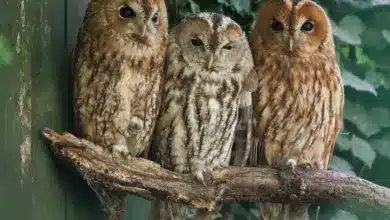
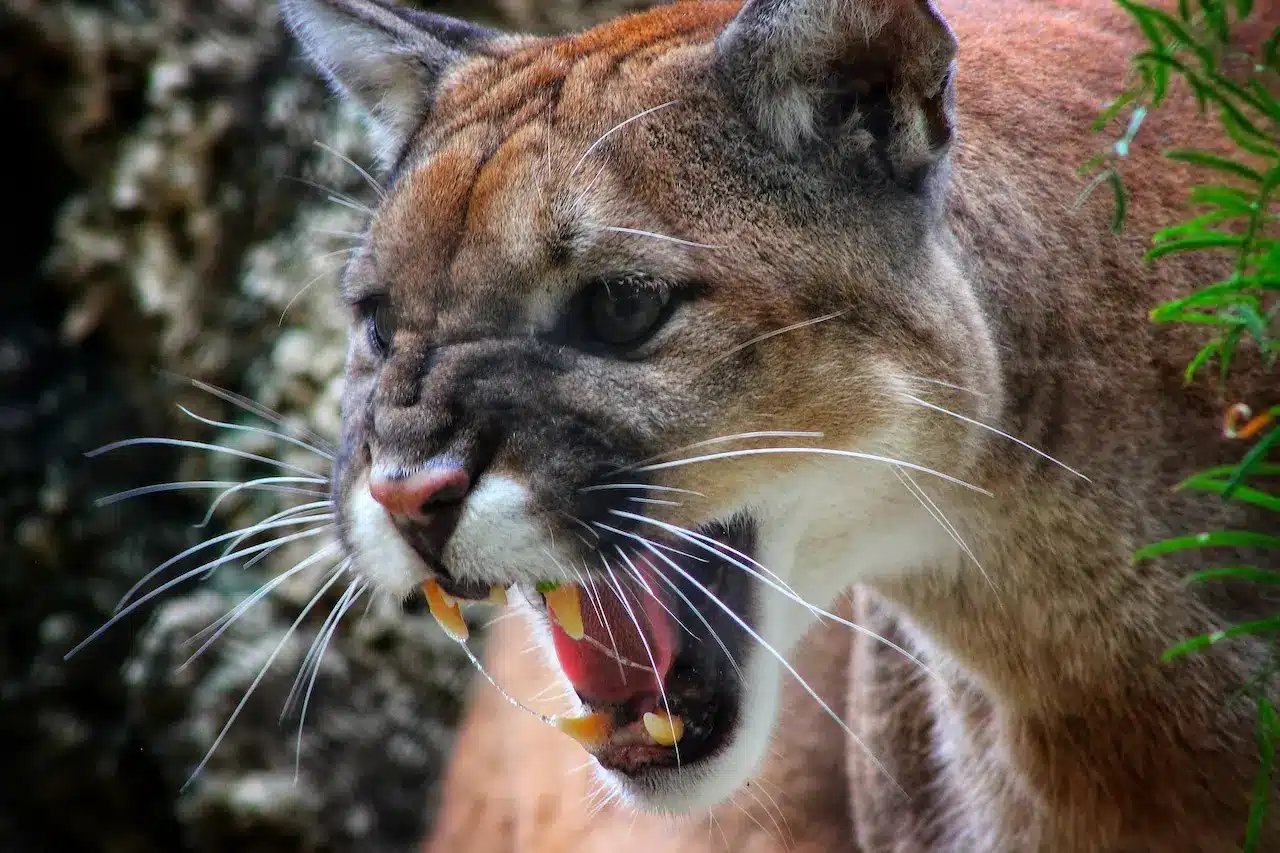
- Birds of Prey: Hawks, owls, and falcons are among the most common avian predators. Species such as the red-tailed hawk and barred owl have keen eyesight and can swoop down to catch chipmunks in open areas.
- Snakes: Various snakes, including rat snakes and rattlesnakes, prey on chipmunks, especially when the rodents are near their burrows or foraging on the ground.
- Mammalian Predators: Small carnivores like weasels, foxes, bobcats, and domestic cats frequently hunt chipmunks. Weasels are particularly adept at entering burrows to catch chipmunks at rest.
- Other Predators: Occasionally, larger predators such as coyotes and raccoons may prey on chipmunks, especially when other food sources are limited.
Because of these threats, chipmunks remain vigilant and rely on their speed, agility, and warning calls to evade capture. Their burrow systems provide critical protection, allowing them to hide quickly when danger approaches.
Ecological Role
Chipmunks play a multifaceted role within their ecosystems. As seed dispersers, they contribute significantly to forest regeneration. By collecting and storing nuts and seeds, many of which they fail to retrieve, chipmunks aid in the propagation of various tree species.
They also serve as a crucial prey species, supporting populations of numerous predators and thus maintaining ecological balance. Furthermore, their burrowing behavior aerates the soil, which benefits plant growth and nutrient cycling.
Conservation Status
Most chipmunk species are currently classified as Least Concern by the International Union for Conservation of Nature (IUCN), thanks to their wide distribution and adaptability. However, habitat destruction, urbanization, and predation by domestic animals can impact local populations.
Conservation efforts focus on preserving natural habitats and promoting coexistence in suburban and rural areas. Maintaining wooded areas and minimizing pesticide use helps ensure chipmunks and their predators continue to thrive.
Interesting Facts About Chipmunks
- Cheek Pouches: Chipmunks can expand their cheek pouches to nearly the size of their head, allowing them to carry multiple nuts or seeds in a single trip.
- Hibernation: Unlike some rodents, chipmunks enter a state of torpor rather than true hibernation. They periodically wake to eat from their stored food caches during winter.
- Communication: Chipmunks use a variety of vocalizations, such as chirps and chucks, to communicate warnings and establish territory boundaries.
- Longevity: In the wild, chipmunks typically live 2 to 3 years, but in protected environments, they can live up to 8 years.
- Burrow Complexity: Their underground homes can be extensive, sometimes stretching over 30 feet (9 meters) with multiple chambers for nesting, food storage, and waste.