Introduction to Quolls
Quolls are fascinating carnivorous marsupials native to Australia and New Guinea. Often described as small, cat-like predators, quolls belong to the genus Dasyurus and are notable for their distinctive spotted coats and agile hunting skills. As marsupials, female quolls carry and nurture their young in pouches, much like kangaroos and koalas. These elusive creatures play an important role in their ecosystems, yet face numerous challenges from both native and introduced predators.
Physical Characteristics of Quolls
Quolls vary in size depending on the species, ranging from about 25 to 75 centimeters (10 to 30 inches) in body length, not including their bushy tails. Their weight typically spans from 1 to 7 kilograms (2 to 15 pounds), with the largest species being the tiger quoll (Dasyurus maculatus), also known as the spotted-tail quoll.
One of their most striking features is their fur, which is usually brown to reddish-brown, adorned with distinctive white or cream spots scattered across their backs and limbs. This pattern helps them camouflage in forested and rocky environments. They have sharp teeth and strong jaws, adapted for a carnivorous diet, enabling them to hunt and consume prey effectively.



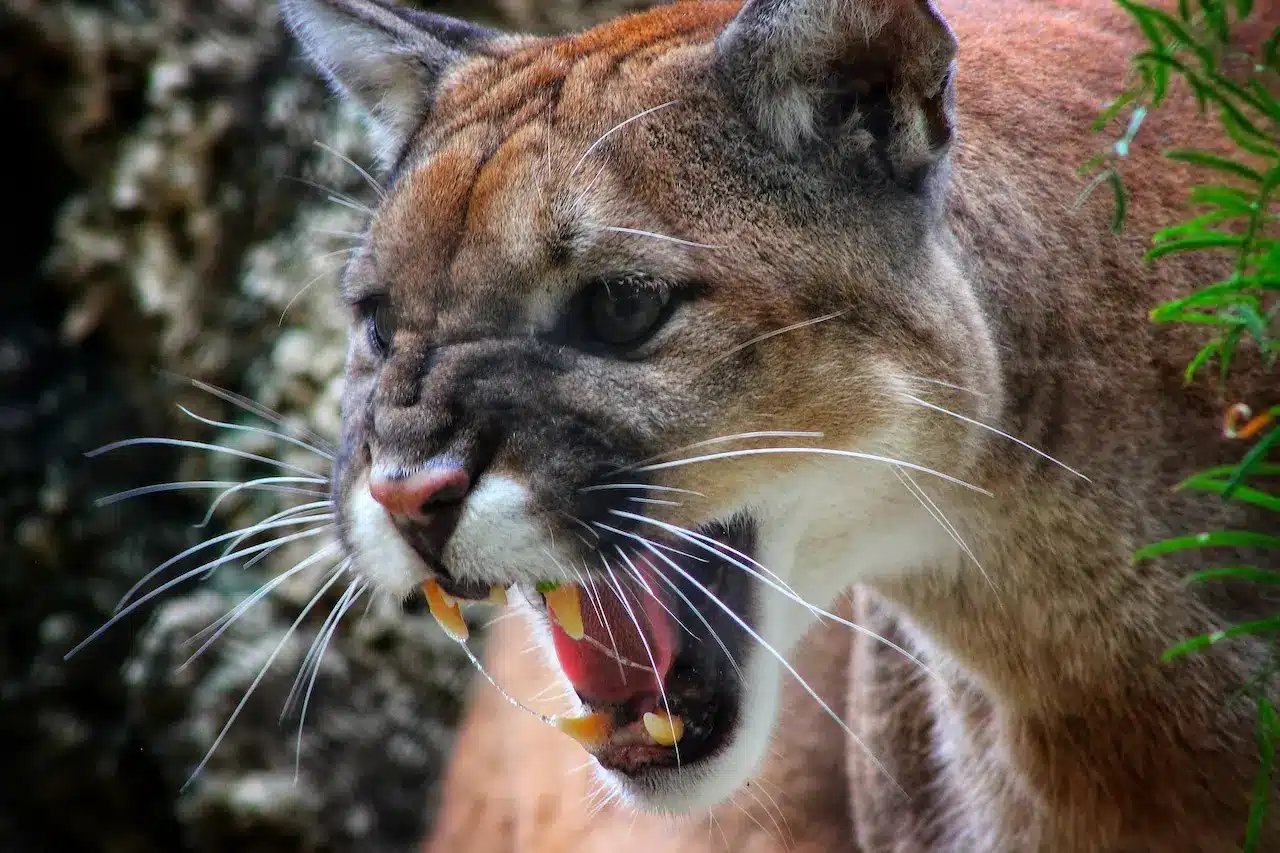

Their sharp claws and agile bodies make them excellent climbers, allowing them to pursue prey both on the ground and in trees.
Behavior and Lifestyle
Quolls are primarily nocturnal animals, becoming active during the night when their prey is most available and when they can avoid some daytime predators. They are solitary creatures and tend to maintain territories, which they scent-mark to ward off rivals. Males generally have larger territories that may overlap with those of several females.
Hunting and foraging are central to a quoll’s nightly activities. They are opportunistic predators, feeding on a variety of animals, and are known for their stealth and speed. Quolls are also known to be vocal, emitting growls, hisses, and screeches, especially when threatened or during mating.
Habitat and Distribution
Quolls inhabit diverse environments across Australia and New Guinea, from rainforests and wet sclerophyll forests to dry woodlands and rocky outcrops. Each species has adapted to specific habitats:
- Tiger Quoll: Found along the eastern coast of Australia, favoring wet forests and mountainous areas.
- Spotted-tailed Quoll: Another name for the tiger quoll, especially in Tasmania.
- Eastern Quoll: Mostly found in Tasmania, having become extinct on mainland Australia.
- Western Quoll (Chuditch): Found in Western Australia, preferring arid and semi-arid habitats.
- New Guinean Quoll: Lives in the highlands and forests of New Guinea.
Despite their adaptability, quolls rely heavily on dense cover and access to prey to thrive.
Diet and Feeding Habits
Quolls are carnivorous and have a varied diet that includes insects, small mammals, birds, reptiles, and amphibians. They are skilled hunters and scavengers, sometimes feeding on carrion or raiding bird nests for eggs and chicks.
Smaller prey such as beetles and grasshoppers make up a significant portion of their diet, especially for younger or smaller quoll species. Larger quolls, like the tiger quoll, can take down prey as large as possums or small wallabies. Their sharp teeth and strong jaws allow them to consume bones and tough tissues, giving them access to nutritious marrow and internal organs.
Reproduction and Lifespan
Quolls breed once a year, typically during the winter or early spring months. After a gestation period of roughly 21 to 24 days, the female gives birth to a litter of tiny, underdeveloped young, usually numbering between 4 and 6, though litters can be larger. The newborns immediately crawl into the mother’s pouch, where they latch onto teats and continue developing for several weeks.
Once the young leave the pouch, they remain in a den or nest area, nursing and growing until they are independent, usually after 3 to 4 months. Young quolls disperse to establish their own territories as they mature. In the wild, quolls typically live for 2 to 5 years, though some individuals may survive longer under favorable conditions.
Predators and Threats: What Eats a Quoll?
Historically, quolls faced predation from larger native Australian marsupial carnivores such as the thylacine (Tasmanian tiger) and the Tasmanian devil. However, these native predators have either become extinct or their populations have severely declined, reducing predation pressure on quolls.
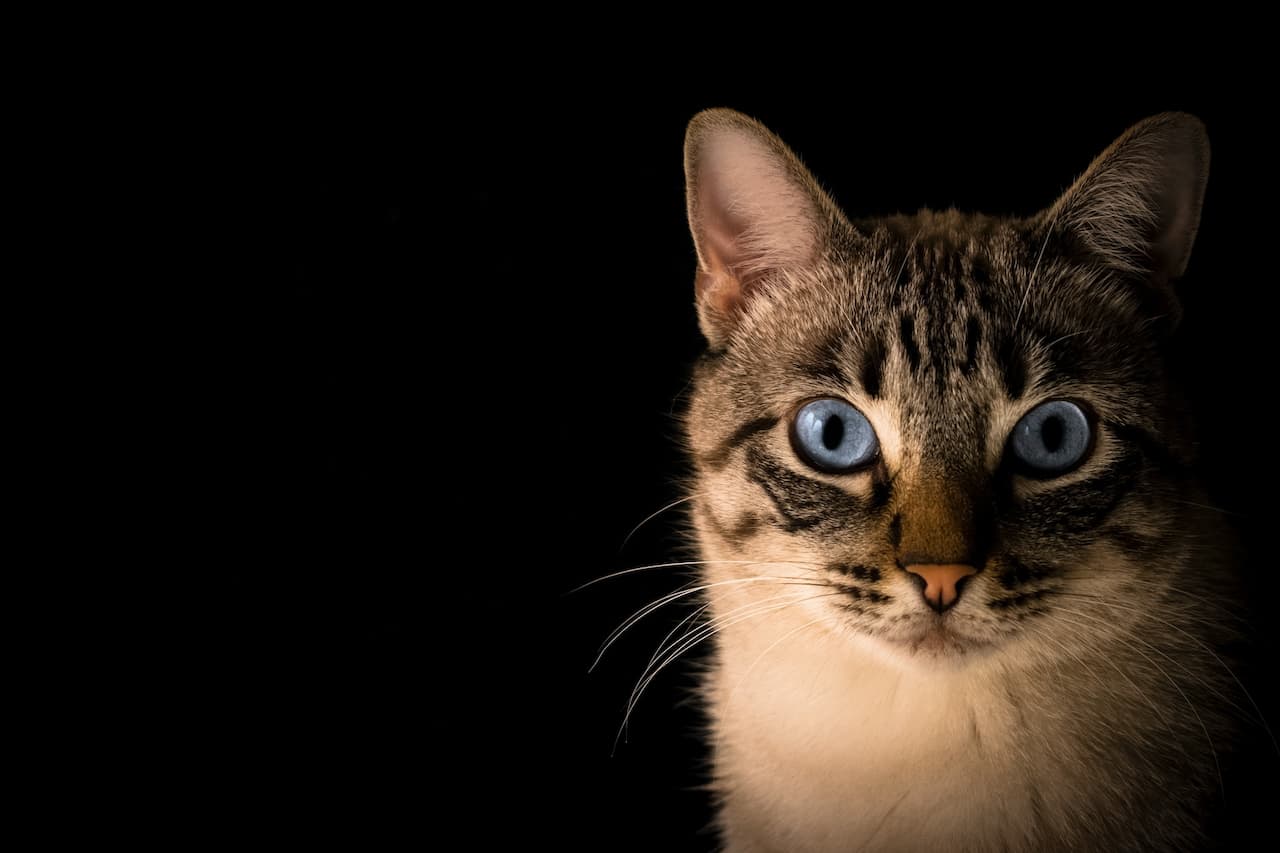
Unfortunately, since European settlement, quolls have encountered new threats from introduced predators. Feral and domestic dogs, feral cats, and red foxes are significant predators of quolls. These introduced species hunt, kill, and compete with quolls for food and habitat, leading to declines in quoll populations in many areas.
Aside from predation, quolls also face threats from habitat destruction due to land clearing, bushfires, and human encroachment. Road mortality and poisoning from baits intended for other pests have also impacted quoll numbers.
Ecological Role of Quolls
Quolls are important mesopredators in their ecosystems, meaning they occupy a middle position in the food web. By controlling populations of insects, small mammals, and birds, quolls help maintain ecological balance and contribute to biodiversity.
Their predation helps regulate invasive species and pests, indirectly supporting the health of native vegetation and other wildlife. In some regions, quolls have been used as indicators of ecosystem health, as their presence suggests a functioning and relatively intact environment.
Conservation Status
Many quoll species are currently listed as threatened or near-threatened due to habitat loss and introduced predators. For example, the tiger quoll is classified as Near Threatened by the International Union for Conservation of Nature (IUCN), while the eastern quoll has been extinct on the Australian mainland but remains relatively stable in Tasmania.
Conservation efforts include habitat protection, predator control programs, captive breeding, and reintroduction projects. For instance, eastern quolls have been reintroduced to mainland reserves to help re-establish populations. Public awareness campaigns also emphasize the importance of protecting quolls and minimizing threats from feral animals.
Interesting Facts About Quolls
- Quolls have a distinctive musky odor, which some people describe as unpleasant but helps them mark territory.
- The tiger quoll is the second-largest carnivorous marsupial in Australia, second only to the Tasmanian devil.
- Quolls can consume up to one-third of their body weight in a single night’s hunting.
- Unlike many marsupials, quolls have relatively long lifespans for their size, with some individuals living up to 7 years in captivity.
- Quolls are excellent climbers and often hunt birds and eggs in trees, demonstrating versatile hunting skills.
Conclusion
Quolls are remarkable marsupial predators with unique adaptations that allow them to thrive in diverse Australian and New Guinean habitats. Although they face significant threats from introduced predators and environmental changes, ongoing conservation efforts aim to protect these captivating creatures and maintain their crucial role in the ecosystem. Understanding what eats a quoll, alongside their behavior and ecology, is key to fostering appreciation and facilitating their survival for future generations.