Overview and Introduction
The concept of “What Eats Children?” may sound like the premise of a dark fairy tale or a horror story, but in the natural world, it is a question rooted in understanding the food web and predator-prey relationships that shape ecosystems. Humans, especially children, are rarely targets for predation by wild animals. Unlike many species that are part of complex food webs, humans occupy a unique position as apex consumers with very few natural predators. This article explores this fascinating topic, examining which creatures might prey on children, the rarity of such events, and the ecological context that influences these interactions.
Physical Characteristics of Potential Predators
When considering which animals could possibly prey on children, we look primarily at large apex predators—animals at the top of the food chain with no natural enemies. These include species such as great white sharks, large big cats like lions and tigers, crocodilians like Nile or saltwater crocodiles, and bears. Each of these animals has evolved physical adaptations that enable them to hunt and capture relatively large prey.
For example, great white sharks possess powerful jaws lined with serrated teeth designed to tear flesh efficiently, along with keen sensory systems to detect movement or blood in the water. Large cats have retractable claws, sharp teeth, and exceptional stealth and speed, which make them formidable hunters. Crocodiles have immense bite force, armored skin, and a stealthy ambush hunting style. Bears combine strength, sharp claws, and intelligence to exploit a wide range of food sources.




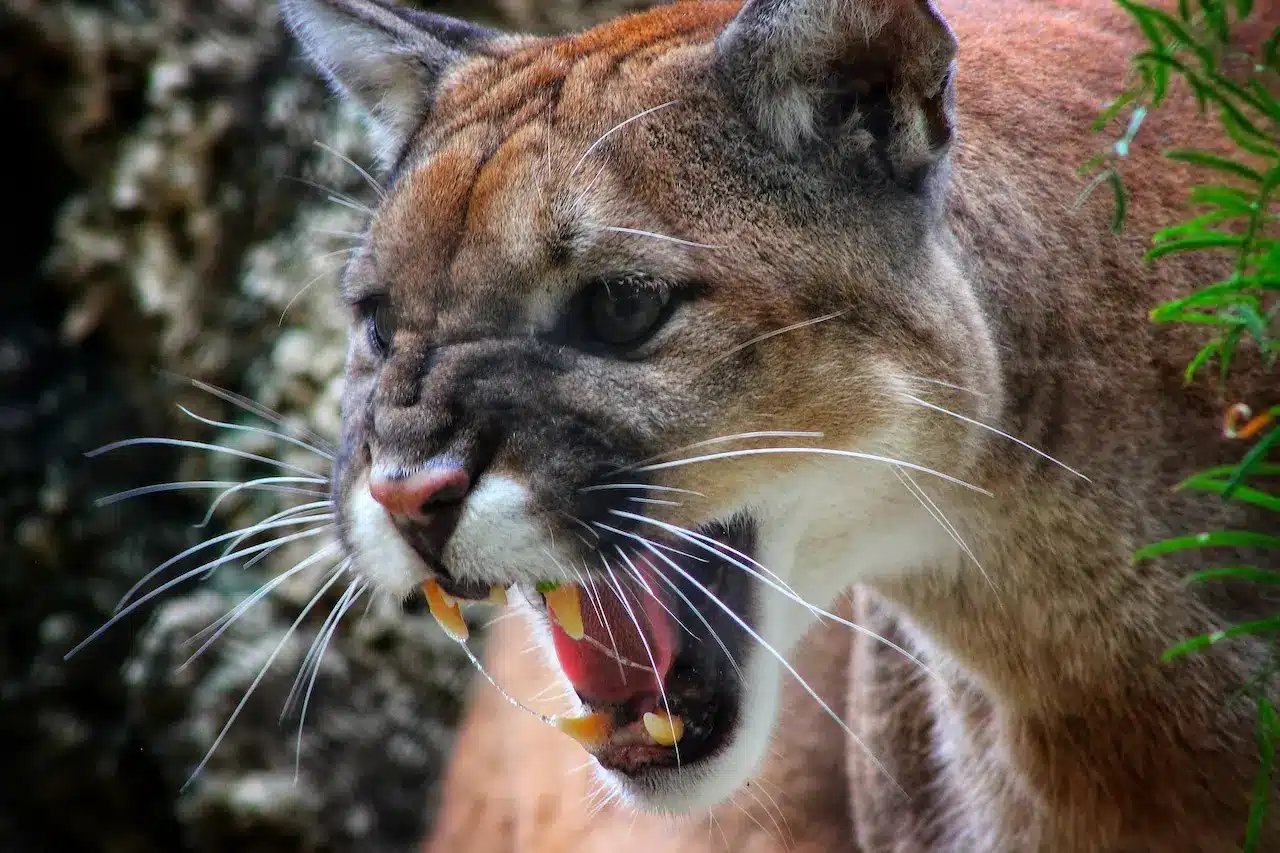

Despite these powerful adaptations, these predators generally do not view humans as preferred prey. When attacks do occur, they are often accidental, defensive, or the result of unusual circumstances such as scarcity of typical food or human encroachment into wild habitats.
Behavior
Apex predators typically hunt prey that is easier to catch and more abundant. Behaviorally, they tend to avoid humans, who are not part of their regular diet. Predatory animals like lions or tigers often rely on stalking and ambushing prey within their natural habitats, targeting herbivores such as deer or zebras. Sharks are opportunistic hunters, feeding mostly on fish, seals, and other marine mammals.
When it comes to human children, nearly all documented attacks by wild animals are rare, isolated incidents, often linked to specific triggers such as surprise, territorial defense, or provocation. For example, crocodile attacks on children along riverbanks have been reported in some regions due to proximity and opportunity. However, these incidents are exceptions rather than the rule.
Importantly, many animals have evolved wariness of humans. This caution acts as a natural deterrent, reducing the likelihood of predation involving children or adults.
Habitat and Distribution
The habitats of potential predators that might threaten children are diverse, spanning terrestrial, aquatic, and semi-aquatic environments around the world. Large cats such as lions inhabit African savannas, tigers roam the forests of Asia, and bears are found in North America, Europe, and Asia. Crocodilians are primarily found in tropical and subtropical wetlands, rivers, and estuaries across Africa, Asia, Australia, and the Americas. Great white sharks patrol coastal and offshore waters worldwide.
Human settlements typically overlap with these habitats to varying degrees. In rural or wilderness areas, children may be more exposed to potential risks from wildlife. Conversely, urban environments generally provide safety from large predators due to habitat fragmentation and human activity. Conservation efforts and wildlife management also influence predator distributions and behaviors, sometimes mitigating risks to humans.
Diet and Feeding
Most apex predators have diets consisting of medium to large-sized herbivores or marine animals. Their feeding strategies are adapted to their environments and prey availability. For example:
- Great white sharks feed primarily on seals, sea lions, fish, and occasionally carrion.
- Lions hunt zebras, wildebeest, and other ungulates in coordinated group efforts.
- Tigers prey on deer, boars, and sometimes domestic livestock.
- Crocodiles consume fish, birds, mammals, and occasionally larger prey such as antelope.
- Bears have omnivorous diets, including berries, roots, insects, and animals ranging from small rodents to large ungulates.
Humans, including children, do not form a regular or preferred part of any wild predator’s diet. Most attacks are opportunistic, defensive, or mistaken identity cases rather than true predation events.
Reproduction
While reproduction does not directly relate to the question of what eats children, understanding the life cycles of apex predators helps clarify their population dynamics and interactions with humans.
For instance, large cats like lions and tigers have relatively low reproductive rates, with females giving birth to litters of two to four cubs after gestation periods of around three to four months. Sharks reproduce via oviparity (egg-laying) or viviparity (live birth), depending on the species, with some great white sharks giving birth to a handful of pups every two years or so. Crocodiles lay eggs in nests near water bodies, while bears reproduce once per year, with females nurturing cubs for over a year.
These reproductive strategies influence population sizes and territorial behaviors, which in turn affect how often humans and their children might encounter these animals.
Ecological Role
Apex predators play crucial roles in maintaining the balance of ecosystems. By controlling populations of herbivores and smaller predators, they prevent overgrazing and maintain biodiversity. Their presence helps shape the structure and function of biological communities.
For example, the reintroduction of wolves to Yellowstone National Park in the United States demonstrated how apex predators influence prey behavior, vegetation growth, and even river dynamics. Similarly, sharks regulate populations of marine animals, contributing to healthy ocean ecosystems.
The rarity of humans, especially children, in the diets of these predators reflects our unique ecological niche as top omnivores with cultural and technological adaptations that have minimized natural predation risks.
Conservation Status
Many apex predators face conservation challenges due to habitat loss, poaching, human-wildlife conflict, and environmental changes. Species such as tigers are endangered, with fewer than 4,000 individuals remaining in the wild. Great white sharks are vulnerable due to fishing and habitat degradation. Crocodile species vary from least concern to critically endangered depending on the region.
Conservation efforts aim to protect these animals not only for their intrinsic value but also for their ecological importance. Human safety measures, education, and habitat preservation help reduce negative encounters between children and wildlife.
Interesting Facts
- Despite popular myths and stories, there are no wild animals that regularly hunt human children as a food source.
- Shark attacks on humans are exceedingly rare—fewer than 100 fatal attacks worldwide occur annually, and most involve adults rather than children.
- In folklore, creatures like witches or monsters that eat children symbolize societal fears but have no basis in biological reality.
- Some animals, such as crocodiles, have been known to carry off children in rare cases, mostly due to proximity to human settlements near water.
- Humans have developed cultural practices, community vigilance, and technology that greatly reduce the risk of predation by wild animals.
- Understanding predator behavior and habitat helps communities coexist safely with wildlife.