Introduction: Understanding What Eats a Buffalo
The term “buffalo” often brings to mind large, powerful herbivores roaming vast grasslands. However, it’s important to clarify that the North American “buffalo” is actually the American bison (Bison bison), a species distinct from the true buffalo found in Africa and Asia. Despite this common mix-up, both animals play crucial roles in their ecosystems and face threats from a variety of predators. This article explores the predators of buffalo, their physical characteristics, behavior, habitat, diet, reproduction, ecological importance, conservation status, and other fascinating facts.
Physical Characteristics of Buffalo and Bison
True buffalo species, such as the African buffalo (Syncerus caffer) and the Asian water buffalo (Bubalus bubalis), differ significantly from the American bison in appearance and physiology. African buffalo have large, curved horns and robust bodies, while Asian water buffalo tend to have wider horns and a more domesticated presence.
American bison are easily identified by their shaggy, dark brown coat and a distinctive hump over their shoulders, formed by powerful muscles supporting their massive heads. Adult males, or bulls, can weigh up to 2,000 pounds (900 kg) and stand about 6 feet (1.8 meters) tall at the shoulder. Females are generally smaller but still formidable in size.




Behavior and Social Structure
Buffalo and bison are social animals that typically live in herds, which provide safety through numbers. American bison herds can range from a few individuals to several hundred, especially during migration or seasonal movements. These herds are usually segregated by gender; females and calves often form maternal groups, while males may form bachelor groups or join the main herd during breeding season.
Both buffalo species are known for their unpredictable temperament. African buffalo, in particular, are considered highly dangerous and have been nicknamed “Black Death” due to their aggressive nature and tendency to defend themselves fiercely against predators.
Habitat and Distribution
The American bison primarily inhabit the grasslands, prairies, and plains of North America, with populations most concentrated in protected areas such as Yellowstone National Park and various wildlife refuges. Historically, bison ranged extensively across the continent, from Alaska to northern Mexico.
True buffalo species have different distributions. African buffalo are widespread across sub-Saharan Africa, often found in savannas, woodlands, and floodplains. Asian water buffalo are native to Southeast Asia and the Indian subcontinent, thriving in wetlands, riversides, and cultivated areas.
Diet and Feeding Habits
Buffalo and bison are primarily grazers. Their diet consists mainly of grasses and sedges, which they consume in large quantities to sustain their massive bodies. The American bison prefers shortgrass and mixed-grass prairies, grazing on species such as buffalo grass, bluestem, and needlegrass.
True buffalo species have similar grazing habits but can also browse on shrubs and herbs when grass is less available. African buffalo, for example, are known to occasionally feed on aquatic plants during the dry season.
What Eats a Buffalo? Predators and Threats
Despite their size and strength, buffalo and bison are preyed upon by several large carnivores. Predation risk varies depending on the age, health, and group size of the buffalo, as well as the predator species involved.
Wolves: Coordinated Hunters
The primary predator of the American bison is the gray wolf (Canis lupus). Wolves usually hunt in packs and rely on teamwork to isolate and exhaust a target. Taking down a healthy adult bison is challenging due to its size and strength, so wolves often target calves, sick, or older individuals. A coordinated wolf pack can bring down an adult bison, but such hunts are energy-intensive and risky.
Big Cats: Lions and Cougars
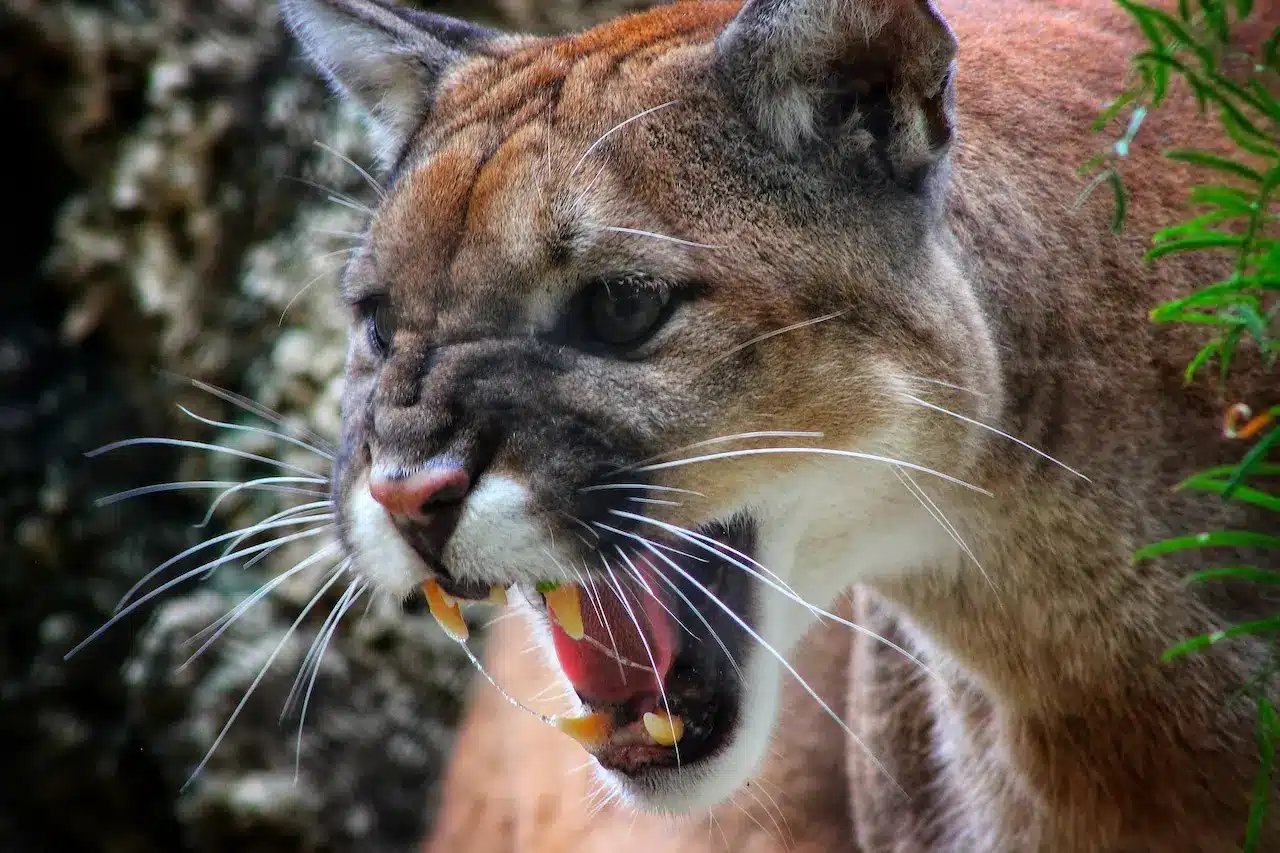
African buffalo face predation mainly from lions (Panthera leo). Lions hunt in groups and often ambush buffalo herds, using their strength to overpower individuals. Buffalo herds are known to defend themselves vigorously, sometimes circling wounded members to protect them. Cougars (Puma concolor) may occasionally prey on young or weakened bison, though this is less common due to the bison’s formidable size.
Grizzly Bears and Other Predators
Grizzly bears (Ursus arctos horribilis) can kill and feed on bison, especially calves or weakened adults. They are solitary hunters and use their immense strength to overpower prey. Other threats include crocodiles in African habitats preying on buffalo that come to water sources, and humans, who have historically been the most significant predators of both buffalo and bison through hunting.
Reproduction and Lifespan
Buffalo and bison have similar reproductive patterns. The breeding season, or rut, typically occurs in late summer. During this time, males compete for dominance through displays of strength, including head-butting and pushing contests. Dominant bulls gain access to females and mate with multiple partners.
After a gestation period of about 9 to 9.5 months, females give birth to a single calf. Calves are able to stand and move shortly after birth, which is crucial for keeping up with the herd. They nurse for several months but begin grazing within a few weeks.
In the wild, buffalo and bison can live 15 to 20 years, though predation, disease, and environmental factors often reduce lifespan.
Ecological Role of Buffalo
Buffalo and bison are keystone species in their ecosystems. As large herbivores, they shape vegetation patterns by grazing, which maintains grassland health and biodiversity. Their wallowing behavior creates depressions that collect water, supporting other wildlife and plant species.
Buffalo also serve as prey for large carnivores, helping to sustain predator populations. Additionally, their movements and droppings aid in seed dispersal and nutrient cycling, enriching the soil and supporting diverse plant communities.
Conservation Status and Challenges
Historically, both American bison and African buffalo populations faced severe declines due to overhunting, habitat loss, and disease. The American bison was hunted to near extinction by the late 19th century, with populations dropping from tens of millions to just a few hundred individuals.
Conservation efforts, including protected reserves, captive breeding, and legal protections, have helped bison populations rebound to over 500,000 today, though most live in managed herds rather than wild, free-ranging conditions.
African buffalo populations are generally stable but face threats from habitat fragmentation, disease (such as bovine tuberculosis), and human-wildlife conflict. They are currently classified as “Least Concern” by the International Union for Conservation of Nature (IUCN), but local populations may be at risk.
Interesting Facts About Buffalo and Their Predators
- African buffalo are considered one of the “Big Five” game animals sought by hunters due to their size and ferocity.
- American bison once numbered over 30 million across North America but were nearly wiped out within a century.
- Buffalo herds use a unique defense mechanism called “mobbing,” where they circle and face outward to protect vulnerable members from predators.
- Wolves use strategic hunting techniques, such as chasing bison into deep snow or difficult terrain, to tire them out before making a kill.
- Buffalo wallows not only benefit the herd but also provide habitat for insects, amphibians, and small mammals.
- Grizzly bears may scavenge bison kills left by wolves or lions, demonstrating complex interspecies interactions.