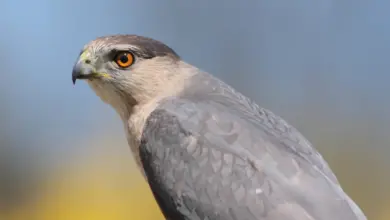
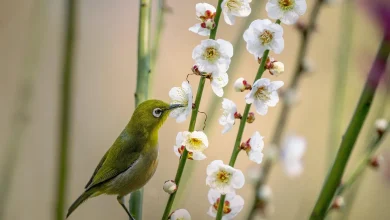
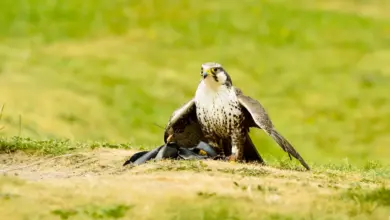
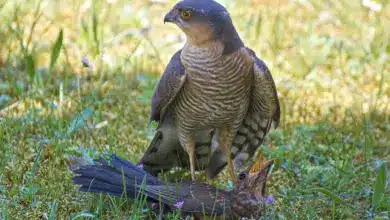
Arno and Louise Wildlife is a remarkable collection of avian photography and wildlife observations, primarily focused on the diverse bird species found across southern Africa. Through their dedicated work, photographer Arno Meintjes and collaborator Louise have provided an invaluable resource for bird enthusiasts, photographers, and conservationists alike. Their extensive photographic archive showcases a wide variety of species, from the diminutive African pygmy-kingfisher to the majestic African Fish Eagle, highlighting the intricate beauty and ecological significance of these birds. This article explores the taxonomy, distribution, physical features, behavior, breeding, conservation status, and intriguing facts about many of the species featured in the Arno & Louise Wildlife collection, providing an educational glimpse into the rich avifaunal diversity of the African continent.
Scientific Classification
The bird species prominently featured in the Arno & Louise Wildlife collection belong to a variety of taxonomic families, reflecting the incredible diversity of African avifauna. For instance, the well-known African pygmy-kingfisher (Ispidina picta) is a member of the family Alcedinidae, which encompasses the vibrant kingfishers. Similarly, the Southern Ground-hornbill (Bucorvus leadbeateri), often referred to as the “cafer,” belongs to the Bucorvidae family, distinguished by large terrestrial hornbills native to sub-Saharan Africa. The African Fish Eagle (Haliaeetus vocifer), with its striking white head and chestnut body, is a member of the Accipitridae family, which includes eagles, hawks, and kites.
Other families represented in the collection include the Malaconotidae (bushshrikes and allies), Muscicapidae (Old World flycatchers and chats), and Ploceidae (weaver birds), each comprising species with unique ecological roles and adaptive traits. The Southern Masked-weaver (Ploceus velatus) and Lesser Masked Weaver (Ploceus intermedius) exemplify the intricate nest-building behaviors characteristic of the weaver family. The diversity within these families showcases the evolutionary adaptations that have enabled these birds to thrive in various habitats across the African continent.


Geographic Range & Distribution
The birds captured by Arno and Louise predominantly inhabit southern and eastern Africa, encompassing countries such as South Africa, Botswana, Zimbabwe, Mozambique, and parts of East Africa. The African pygmy-kingfisher (Ispidina picta) has a broad distribution across sub-Saharan Africa, frequenting wooded savannas, forest edges, and riparian zones. It is commonly seen in moist habitats where it can hunt for insects and small aquatic prey.
The Southern Ground-hornbill (Bucorvus leadbeateri) occupies a more specialized range within southern Africa, preferring open woodlands and savanna landscapes. Its distribution includes South Africa, Namibia, Botswana, and Zimbabwe. Notably, this species requires large territories due to its carnivorous diet and complex social structure.
The African Fish Eagle (Haliaeetus vocifer) is widely distributed near large bodies of water across sub-Saharan Africa, from the Nile Basin to southern Africa. It frequents lakes, rivers, and coastal lagoons where fish are abundant. Other species like the Brown-hooded Kingfisher (Halcyon albiventris) and Giant Kingfisher (Megaceryle maxima) also favor freshwater habitats within similar geographic ranges, illustrating the importance of aquatic ecosystems for diverse bird populations.
Physical Description
The species documented by Arno and Louise vary greatly in size, plumage, and morphological features, reflecting their ecological niches and evolutionary history. The African pygmy-kingfisher is one of the smallest kingfishers in Africa, measuring approximately 12 to 14 centimeters in length and weighing around 15 to 20 grams. Its vivid blue and orange plumage provides excellent camouflage among forest foliage.
In contrast, the Southern Ground-hornbill is among the largest hornbill species, reaching up to 110 centimeters in length and weighing between 2 to 4 kilograms. It has a striking black body with vivid red facial skin and wattles, which play a role in communication and thermoregulation. This bird’s robust bill is adapted for capturing prey on the ground.
The African Fish Eagle is instantly recognizable by its majestic appearance, featuring a white head, neck, and tail contrasting sharply with a dark brown body and black wings. Adults have a wingspan ranging from 2 to 2.4 meters and weigh between 3 to 4.5 kilograms. The species’ powerful talons and hooked beak are specialized for catching fish.
Other kingfishers, such as the Brown-hooded Kingfisher and Giant Kingfisher, boast large bills, compact bodies, and vivid coloration ranging from blues and greens to rufous and white. The Cape White-eye (Zosterops pallidus) is a small passerine, approximately 11 centimeters long, with olive-green upperparts and a distinctive white eye-ring. These physical traits aid in species identification and reflect their ecological adaptations.
Behavior & Diet
The diverse species featured in the Arno & Louise Wildlife collection exhibit a wide range of fascinating behaviors, closely tied to their dietary preferences and habitat use. Kingfishers, such as the African pygmy-kingfisher and Giant Kingfisher, are primarily piscivorous but also consume insects, amphibians, and small reptiles. They are known for their characteristic hunting technique of perching silently before diving sharply into water to capture prey with their sharp bills.
The Southern Ground-hornbill, conversely, is predominantly terrestrial and carnivorous, feeding on a variety of prey including insects, amphibians, reptiles, small mammals, and birds. It forages by walking deliberately on the ground, using its strong bill to dig into leaf litter and soil. This species lives in social groups with complex vocal communication, often performing loud booming calls heard over long distances.
African Fish Eagles are apex predators in their aquatic ecosystems. Their diet consists mainly of fish, but they also scavenge carrion and occasionally prey on waterfowl or small mammals. These eagles hunt by soaring high and then swooping down to snatch fish near the water surface, showcasing exceptional eyesight and precision.
Other species such as the Red-capped Robin-chat (Cossypha natalensis) feed mainly on insects and fruit, often foraging in dense undergrowth. Similarly, the Yellow-fronted Tinkerbird (Pogoniulus chrysoconus) specializes in feeding on insects and fruit, using its stout bill to excavate into wood or bark. These varied foraging strategies highlight the ecological niches occupied by different bird species in African habitats.
Breeding & Reproduction
Breeding strategies among the birds featured in the Arno & Louise Wildlife collection are as varied as their diets and habitats. Kingfishers, such as the Malachite Kingfisher (Alcedo cristata), typically nest in burrows excavated in riverbanks or sandy soil. These tunnels can extend up to a meter in length and provide protection from predators and environmental extremes. Both parents participate in incubating the eggs and feeding the chicks, which hatch blind and helpless but grow rapidly. According to BirdLife International, this species is well documented.
The Southern Ground-hornbill exhibits a slow reproductive rate, often producing just one chick every two to three years. Nesting occurs in large tree cavities or rock crevices, and the species is known for cooperative breeding, where offspring from previous years assist in raising the young. This social structure increases the survival chances of the chick in the often harsh savanna environment. According to eBird, this species is well documented.
African Fish Eagles build large nests, sometimes weighing up to 1 ton, in tall trees near water. These nests are reused and added to each breeding season, creating massive structures that can be used for decades. The female typically lays one to three eggs, with both parents sharing incubation duties. The chicks fledge after approximately 10 to 12 weeks but remain dependent on their parents for some time.
Smaller passerines like the Cape White-eye and Red-capped Robin-chat construct cup-shaped nests in shrubs or trees, where the female lays two to four eggs. Incubation usually lasts around two weeks, and both parents feed the chicks. These species often have multiple broods per year, reflecting their shorter lifespans and faster reproductive cycles.
Conservation Status
Many of the bird species featured by Arno and Louise enjoy stable populations, but some face conservation challenges due to habitat loss, human disturbance, and climate change. According to the International Union for Conservation of Nature (IUCN), the African pygmy-kingfisher (Ispidina picta) is currently classified as Least Concern, benefiting from a wide distribution and adaptability to different forested habitats.
The Southern Ground-hornbill (Bucorvus leadbeateri), however, is listed as Vulnerable due to habitat fragmentation, persecution, and slow reproductive rates. Its large home range requirements and sensitivity to disturbance make it particularly susceptible to declining populations, prompting conservation programs focused on habitat protection and community education.
The African Fish Eagle (Haliaeetus vocifer) remains widespread and is also categorized as Least Concern, although localized threats such as pollution and water body degradation can affect specific populations. Conservation efforts aimed at preserving aquatic ecosystems benefit this species and other water-dependent birds.
Other species such as the Red-shouldered Glossy Starling (Lamprotornis nitens) and various weaver birds are generally abundant and adaptable, often thriving in human-altered landscapes. Nonetheless, continuous monitoring is essential to detect any emerging threats and implement conservation measures promptly.
Interesting Facts
The birds documented by Arno and Louise offer numerous captivating insights into avian life in Africa. For example, the African Fish Eagle’s haunting, melodious call is often considered the “voice” of Africa’s wilderness, frequently featured in documentaries and film soundtracks. This call serves as a territorial signal and plays a role in pair bonding.
Southern Ground-hornbills are notable for their longevity and social complexity. Some individuals have been recorded living over 50 years in the wild, an impressive lifespan for birds. Their elaborate courtship displays include bill-clattering and deep booming calls that echo through the savanna, strengthening pair bonds and group cohesion.
Kingfishers, renowned for their brilliant plumage, have unique vision adaptations allowing them to accurately judge water refraction when diving for fish. Their specialized eyes reduce glare and enable precise targeting of prey below the water surface.
Weaver birds, such as the Southern Masked-weaver, are master architects, weaving intricate nests from grasses and leaves that provide shelter and protection from predators. These nests often hang from tree branches or reeds over water, deterring snakes and other threats.
Finally, species like the African Darter (Anhinga rufa) display remarkable underwater agility, using their slender, pointed bills to spear fish. Their feathers are less waterproof than those of other waterbirds, allowing them to dive and swim underwater more efficiently, though requiring frequent drying in the sun.
Together, the species featured in Arno & Louise Wildlife’s photographic collection paint a vivid picture of Africa’s rich avian heritage, underscoring the importance of conserving these natural treasures for future generations.
Conclusion
The Arno & Louise Wildlife collection provides an exceptional window into the diverse birdlife of southern Africa, capturing the beauty, behavior, and ecological significance of numerous species. From the tiny African pygmy-kingfisher to the imposing Southern Ground-hornbill and the iconic African Fish Eagle, these birds represent a wide spectrum of evolutionary adaptations and ecological roles. Understanding their taxonomy, geographic distribution, physical characteristics, behaviors, and conservation status not only enriches our knowledge but also highlights the urgency of protecting their habitats in an ever-changing world. Nature enthusiasts, birdwatchers, and wildlife photographers alike can find inspiration and education within this rich repository, fostering a deeper appreciation for Africa’s avian wonders.