Overview and Introduction
Zebras are one of Africa’s most iconic and recognizable animals, known for their distinctive black-and-white striped coats and social behavior. These striking herbivores are members of the Equidae family, closely related to horses and donkeys. While zebras are often admired for their beauty and grace, they are also a vital part of the African ecosystem and food chain. Understanding what eats a zebra sheds light on the intricate predator-prey relationships that shape the savannas and grasslands where they live.
Physical Characteristics
Zebras are medium-sized mammals, typically measuring between 7 to 9 feet (2.1 to 2.7 meters) in length, with a shoulder height of about 4 to 5 feet (1.2 to 1.5 meters). They weigh between 400 to 850 pounds (180 to 385 kilograms), depending on the species. Their most distinguishing feature is their coat pattern—unique black-and-white stripes that vary among individuals and species. These stripes serve multiple purposes: camouflage, social bonding, and even deterrence of biting insects.
There are three main species of zebras: the Plains zebra (Equus quagga), Grevy’s zebra (Equus grevyi), and Mountain zebra (Equus zebra). Each species has subtle differences in stripe pattern, size, and habitat preferences.



Behavior
Zebras are highly social animals, often forming groups called harems, which consist of one stallion, several mares, and their offspring. Larger herds can form when multiple harems come together, sometimes numbering in the hundreds. These social structures provide protection against predators, as many eyes and ears can detect danger early.
Communication among zebras includes vocalizations such as barks, brays, and snorts, as well as body language like ear positioning and tail movement. When threatened, zebras show remarkable agility and speed, capable of running up to 40 miles per hour (65 kilometers per hour) to escape predators.
Habitat and Distribution
Zebras predominantly inhabit the savannas, grasslands, and open woodlands of eastern and southern Africa. Plains zebras are the most widespread, found in countries such as Kenya, Tanzania, Zambia, Zimbabwe, Botswana, and South Africa. Grevy’s zebras are more restricted, primarily residing in semi-arid regions of northern Kenya and parts of Ethiopia. Mountain zebras inhabit rugged mountainous terrain in Namibia and South Africa.
The availability of grasses and water sources largely determines where zebras roam. They often migrate seasonally in search of fresh grazing lands, sometimes traveling vast distances alongside other herbivores like wildebeests and antelopes.
Diet and Feeding
Zebras are herbivores and specialize as grazers, primarily feeding on a variety of grasses. Their digestive system is adapted to process tough, fibrous plant material, enabling them to thrive in areas where other herbivores might struggle. Zebras prefer short, young grasses but can consume coarser types when necessary. Occasionally, they may browse on shrubs and leaves, especially during dry seasons when grasses are scarce.
Their grazing behavior is crucial for maintaining the health of the savanna ecosystem. By feeding on grasses, zebras help control plant growth, promote nutrient cycling, and create habitats for other wildlife. Interestingly, zebras often graze alongside other herbivores, such as wildebeests and antelopes, which helps reduce competition and increases grazing efficiency.
What Eats a Zebra? Predators and Threats
While zebras are formidable and fast, they face numerous natural predators in the wild. The primary predator of zebras is the lion (Panthera leo), which often targets young, old, or injured individuals. Lions use stealth and teamwork to ambush zebras, often attacking at waterholes or during migration crossings.
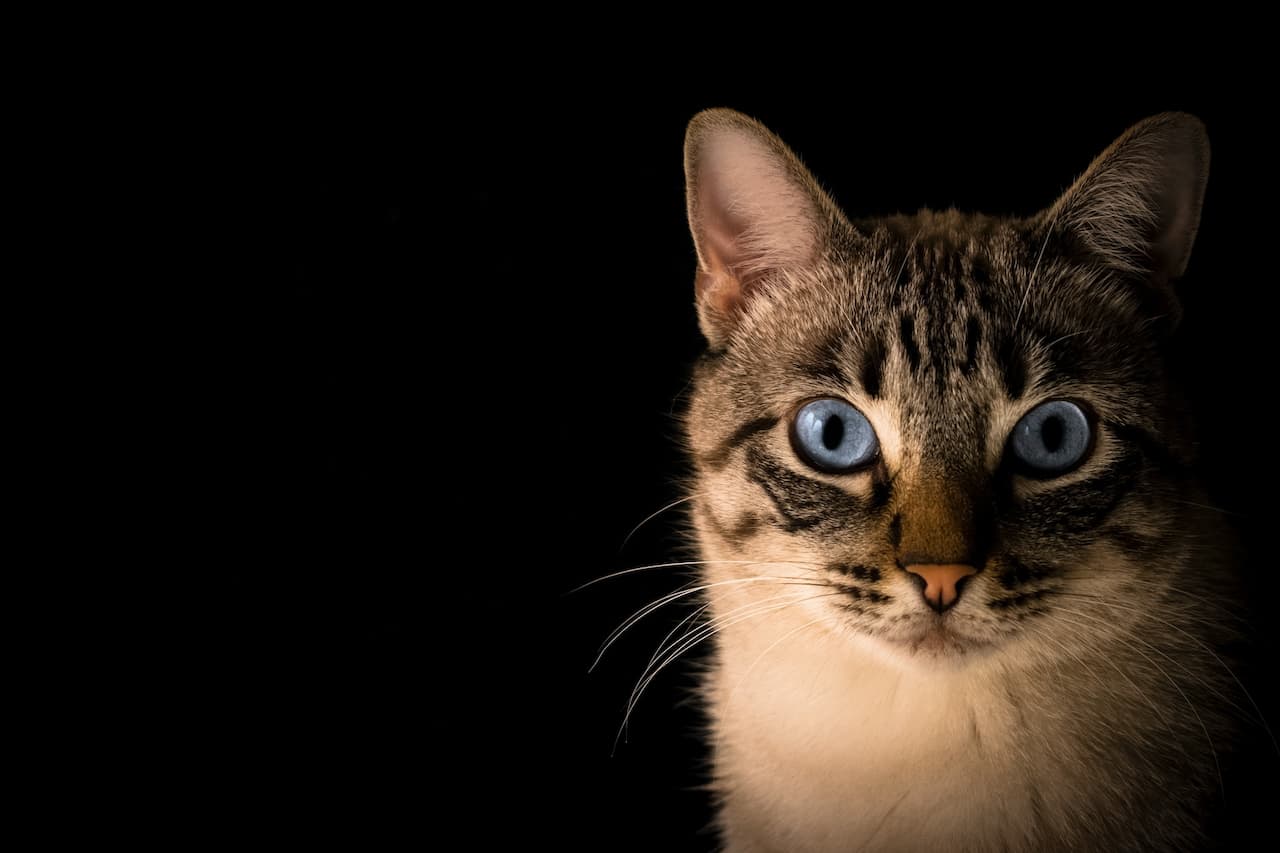
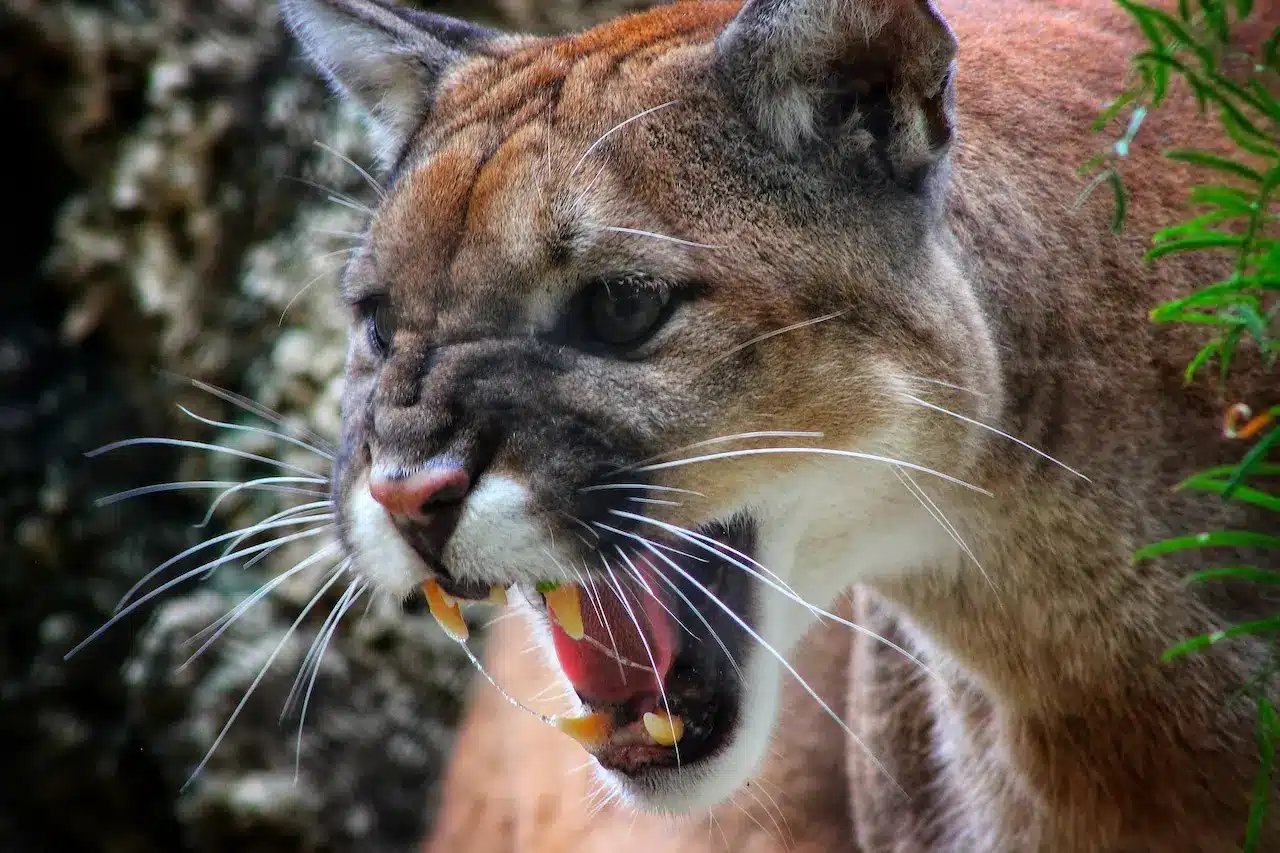
Leopards (Panthera pardus) and cheetahs (Acinonyx jubatus) also prey on zebras, although they usually focus on younger or smaller zebras due to their own size and hunting strategies. Leopards prefer solitary hunting in dense cover, while cheetahs rely on bursts of speed in open areas to catch prey.
Hyenas (Crocuta crocuta) and African wild dogs (Lycaon pictus) are pack hunters that pose a significant threat to zebras, especially during coordinated group chases. Hyenas are incredibly persistent and can wear down prey through stamina, while wild dogs utilize complex hunting tactics to isolate and capture zebras.
In addition to land predators, large Nile crocodiles (Crocodylus niloticus) are known to ambush zebras when they cross rivers during migration. Crocodiles use their powerful jaws and stealth to capture unsuspecting zebras in the water, making river crossings particularly dangerous.
Reproduction
Zebras have a gestation period of around 12 to 13 months, after which a single foal is born. Births typically occur during the rainy season when food is plentiful, increasing the chances of survival for the newborn. Foals are precocious and can stand and run within a few hours of birth, a vital adaptation for escaping predators.
Young zebras stay close to their mothers for protection and nourishment, gradually learning social skills and survival behaviors. Females reach sexual maturity between 2 and 3 years of age, while males mature slightly later. Stallions defend their harems vigorously, often engaging in fights with rival males to maintain control.
Ecological Role
Zebras play a crucial role in the ecosystems they inhabit. As grazers, they help maintain the balance of grassland vegetation, which supports a wide range of other species. Their grazing patterns prevent overgrowth and promote nutrient cycling through their droppings, which enrich the soil.
By moving in large herds, zebras also influence the movement and behavior of predators and other herbivores. They serve as a key prey species, sustaining populations of lions, hyenas, wild dogs, and crocodiles. This predator-prey dynamic is essential for healthy, functioning ecosystems.
Moreover, zebras contribute to tourism economies across Africa, attracting visitors eager to witness their striking appearance and natural behaviors in the wild.
Conservation Status
The conservation status of zebras varies by species. The Plains zebra is currently classified as Least Concern by the International Union for Conservation of Nature (IUCN), owing to its wide distribution and relatively stable population. However, localized threats such as habitat loss, hunting, and competition with livestock pose ongoing challenges.
Grevy’s zebra, on the other hand, is listed as Endangered due to habitat fragmentation, decreased water availability, and human encroachment. Conservation efforts include habitat protection, anti-poaching measures, and community-based programs aimed at promoting coexistence between wildlife and people.
Mountain zebras are considered Vulnerable, with populations affected by habitat loss and hunting. Protected areas and national parks have been instrumental in stabilizing some populations.
Interesting Facts About Zebras
- Unique Stripe Patterns: Each zebra’s stripe pattern is as unique as a human fingerprint, allowing individual identification by researchers.
- Striped Camouflage: The stripes may confuse predators by creating a motion dazzle effect when zebras run in groups, making it harder to single out one individual.
- Social Bonds: Zebras form strong social bonds within their groups, often grooming each other to reinforce relationships.
- Night Vision: Zebras have excellent night vision, which helps them detect predators during low-light conditions.
- Migration Marvels: Some zebra populations participate in long-distance migrations, traveling hundreds of miles in search of fresh grazing lands and water.
- Vocal Communication: Unlike horses, zebras produce a variety of sounds, including barks and brays, which help maintain group cohesion and alert others to danger.