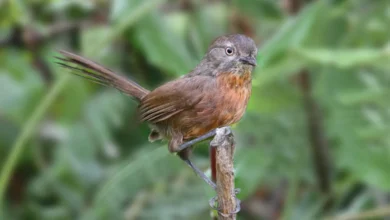
Wattlebirds are a fascinating group of birds belonging to the honeyeater family, known scientifically as Anthochaera. Native exclusively to Australia, these birds are renowned for their distinctive fleshy wattles, which are often brightly colored and serve as striking visual features. Wattlebirds play important ecological roles in their native habitats, particularly as pollinators, and attract considerable interest from birdwatchers and nature enthusiasts alike. This article explores their taxonomy, geographic range, physical traits, behaviors, breeding habits, conservation status, and other intriguing aspects.
Scientific Classification
The genus Anthochaera falls within the family Meliphagidae, commonly referred to as the honeyeaters. This family comprises a diverse group of nectar-feeding birds predominantly found in Australasia. The name Anthochaera is derived from Greek, where ‘anthos’ means flower and ‘chaera’ means to enjoy, reflecting their close association with flowering plants. Within this genus, there are four primary species: the Red Wattlebird (Anthochaera carunculata), the Little Wattlebird (Anthochaera chrysoptera), the Western Wattlebird (Anthochaera lunulata), and the Yellow Wattlebird (Anthochaera paradoxa).
Wattlebirds are part of the larger order Passeriformes, which includes perching birds or songbirds. While wattles—fleshy, often wrinkled appendages hanging from the cheeks, neck, or throat—are a defining feature of this genus, not all members have prominent wattles; the Little Wattlebird, for example, lacks these structures altogether. It is important to note that although other birds like turkeys, some vultures, and lapwings also possess wattles, they are unrelated to the Australian wattlebirds. Additionally, the name “wattlebird” is used for an unrelated New Zealand family, Callaeidae, which includes species such as the Kokako and the now-extinct Huia. This distinction is crucial for understanding the unique evolutionary lineage of Australian wattlebirds.


Geographic Range & Distribution
Wattlebirds are endemic to Australia, meaning they are found nowhere else in the wild. Each species occupies a distinct geographic range across the continent, often corresponding to particular habitats and climatic zones. The Red Wattlebird (Anthochaera carunculata) is widespread and commonly found along the eastern and southern coasts of Australia, from Queensland through New South Wales and Victoria to South Australia. It inhabits open forests, woodlands, heathlands, and urban gardens, showcasing remarkable adaptability.
The Little Wattlebird (Anthochaera chrysoptera) primarily inhabits the southeastern regions of Australia, including coastal areas of New South Wales, Victoria, and Tasmania. It favors heathlands, dry sclerophyll forests, and scrubby environments. In contrast, the Western Wattlebird (Anthochaera lunulata) is restricted to the southwestern corner of Western Australia, where it frequents eucalypt forests and woodland habitats. The Yellow Wattlebird (Anthochaera paradoxa), the largest of the four species, is endemic to Tasmania and prefers dense wet forests and temperate rainforests.
Wattlebirds’ distribution is closely tied to the availability of nectar-producing plants, particularly various species of eucalyptus and banksias. Their presence is an indicator of healthy native vegetation, and they often serve as important pollinators within their ecosystems. Seasonal movements are mostly local and linked to flowering cycles rather than long-distance migrations, although some species exhibit nomadic tendencies in response to food availability.
Physical Description
Wattlebirds are medium to large honeyeaters, with body lengths ranging from approximately 30 to 50 centimeters (12 to 20 inches) and weights between 80 and 150 grams (2.8 to 5.3 ounces), depending on the species. The Yellow Wattlebird is notably the largest member of the genus, often reaching lengths of up to 50 centimeters and weighing as much as 150 grams. Wingspans typically range from 35 to 45 centimeters. Their plumage is generally dull brown or grey with streaks or mottling, providing excellent camouflage in the forested and scrubby environments they inhabit.
The most distinctive feature of wattlebirds is their wattles—fleshy, often pendulous appendages of skin that hang near the cheeks or throat. In the Red Wattlebird, these wattles are bright red and quite prominent, measuring several centimeters in length. The Western Wattlebird’s wattles are smaller and more subdued in color, while the Yellow Wattlebird sports yellowish wattles that complement its slightly brighter plumage. The Little Wattlebird is unique among its genus in lacking wattles entirely, instead displaying a streaked throat and a more uniform brownish-grey coloration.
All species have long, curved bills adapted for nectar feeding, and strong feet suited for perching on flowers and tree branches. Their calls are loud and harsh, often described as raucous or grating, which makes them easily identifiable in the wild. The combination of their distinctive wattles, vocalizations, and size makes wattlebirds a memorable sight for birdwatchers.
Behavior & Diet
Wattlebirds are primarily nectarivorous, feeding extensively on the nectar of eucalypts, banksias, grevilleas, and other native flowering plants. Their long, curved bills and brush-tipped tongues are specialized adaptations that enable efficient nectar extraction. However, their diet is not exclusively nectar; they also consume insects, spiders, and occasionally fruit, especially during breeding seasons when protein demands are higher.
Wattlebirds are highly territorial and often defend feeding areas aggressively, especially during the flowering season when nectar resources become scarce. They can be seen chasing away other nectarivores such as lorikeets, honeyeaters, and even other wattlebirds. Their bold and noisy behavior makes them conspicuous in their habitats. Some species, like the Red Wattlebird, are known to be quite adaptable to urban environments, frequently visiting backyard gardens and bird feeders.
Socially, wattlebirds are often seen alone or in pairs, although transient flocks may form around abundant flowering events. They are active during the day and spend much of their time moving through the canopy, probing flowers for nectar and searching for insects. Their role as pollinators is vital in maintaining the health and diversity of Australian native flora. By transferring pollen from flower to flower, they contribute to the reproduction of numerous plant species.
Breeding & Reproduction
Wattlebirds typically breed during the warmer months, with timing varying slightly based on geographic location and species. Nesting usually occurs from late winter through summer. The nests are constructed low in shrubs or trees, often well concealed within dense foliage to protect against predators. Both males and females participate in nest building, which consists of a shallow cup made from twigs, grasses, bark strips, and bound together with spider silk or other natural adhesives. According to eBird, this species is well documented.
Clutches generally consist of two to three eggs, which are pale with reddish or purplish spots. Incubation lasts about 16 to 18 days and is primarily performed by the female. Once hatched, the chicks are altricial, meaning they are born naked and helpless, requiring extensive parental care. Both parents feed the nestlings a diet rich in insects and nectar, ensuring rapid growth and development. According to BirdLife International, this species is well documented.
Fledging occurs approximately three weeks after hatching, though the young may remain dependent on their parents for some time afterward as they learn to forage independently. Wattlebirds are known for their loud, harsh calls during the breeding season, which serve to defend territories and communicate between mates. Their breeding success is closely tied to the availability of food resources, particularly nectar-producing plants.
Conservation Status
Currently, all four species of Anthochaera wattlebirds are classified by the International Union for Conservation of Nature (IUCN) as Least Concern. This status reflects their wide distributions and relatively stable populations. The Red Wattlebird, being the most common and adaptable, thrives even in urban and suburban environments, which has helped maintain its population numbers.
The Yellow Wattlebird, restricted to Tasmania, faces fewer threats due to the island’s extensive forest habitats, but habitat loss through logging and land clearing remains a localized concern. The Western Wattlebird and Little Wattlebird are also relatively secure but could be vulnerable to habitat fragmentation and changes in fire regimes that alter the availability of nectar sources.
Conservation efforts focus on protecting native vegetation and maintaining healthy ecosystems that support the flowering plants crucial to wattlebird survival. As important pollinators, wattlebirds contribute directly to the resilience of Australian woodlands and forests. Monitoring populations and habitat quality remains essential to ensure these unique birds continue to thrive amid changing environmental conditions.
Interesting Facts
One of the most intriguing aspects of wattlebirds is the role their wattles play in social and reproductive behavior. These fleshy appendages are believed to be used in displays to attract mates and intimidate rivals. The bright red wattles of the Red Wattlebird, for example, become more vibrant during the breeding season, signaling health and vitality.
Another fascinating feature is their pioneering role in urban ecology. Red Wattlebirds are among the few native species that have adapted well to cities and towns, often visiting flowering garden plants and nectar feeders. This adaptability makes them a favorite subject for wildlife photographers and birdwatchers in metropolitan areas.
Wattlebirds also have a complex vocal repertoire. Their loud, harsh calls can carry over long distances, serving both territorial and communicative functions. Some birdwatchers describe their calls as a mix of cackles, grunts, and harsh whistles, which can be heard echoing through Australian forests.
Interestingly, the Little Wattlebird, despite its name, is not the smallest honeyeater but is the only wattlebird species without wattles. This exception within the genus highlights the diversity and evolutionary nuances of the group.
Finally, wattlebirds’ dependence on nectar links them intimately to the health of Australia’s native flora. Their mutualistic relationship with flowering plants underscores the interconnectedness of ecosystems and the importance of conserving native habitats to preserve biodiversity.
In summary, wattlebirds are a distinctive and ecologically important group of Australian honeyeaters. Their unique physical features, specialized diets, and intriguing behaviors make them a captivating subject of study and admiration. Protecting their habitats ensures that these vibrant birds will continue to grace Australia’s landscapes for generations to come.