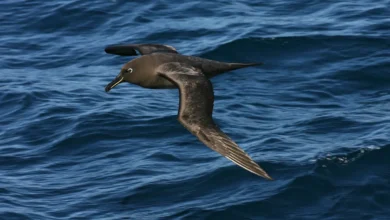
Sri Lanka, an island nation nestled in the Indian Ocean, is a haven for a remarkable diversity of waterbirds. Its rich wetland habitats, ranging from coastal lagoons and estuaries to inland marshes and reservoirs, support an array of species both resident and migratory. These waterbirds play vital ecological roles, from controlling fish and insect populations to serving as indicators of wetland health. For nature enthusiasts, birdwatchers, and photographers, Sri Lanka offers a unique opportunity to observe both common and rare waterbird species in their natural environment. Understanding the taxonomy, distribution, behavior, and conservation status of these birds deepens appreciation for their importance and the need to protect their habitats.
Scientific Classification
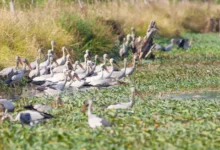
The waterbirds of Sri Lanka encompass a variety of families and genera, with a focus on species adapted to wetland and aquatic environments. Prominent groups include the storks (family Ciconiidae), herons and egrets (family Ardeidae), ibises and spoonbills (family Threskiornithidae), and the rails and crakes (family Rallidae). For instance, the **Asian Openbill Stork** (Anastomus oscitans) belongs to Ciconiidae and is distinguished by its unique bill adapted for feeding on mollusks. Herons such as the **Indian Pond Heron** (Ardeola grayii) and bitterns like the **Black Bittern** (Ixobrychus flavicollis) fall under Ardeidae, characterized by their slender bodies and long legs. The **Black-headed Ibis** (Threskiornis melanocephalus) is part of the Threskiornithidae family, noted for their curved bills used to probe mud for invertebrates. Additionally, species like the **Lesser Whistling Duck** (Dendrocygna javanica) are part of the Anatidae family, exhibiting typical duck morphology. Understanding these classifications helps clarify evolutionary relationships and ecological niches within Sri Lanka’s wetland ecosystems.
Geographic Range & Distribution
Sri Lanka’s waterbird populations are distributed throughout the island’s diverse wetland habitats, including coastal mangroves, freshwater lakes, swamps, and man-made reservoirs. Many species are **resident**, found year-round in Sri Lanka, while others are **seasonal migrants** or **vagrants** passing through during migration periods. For example, the **Asian Openbill Stork** is common in lowland wetlands and paddy fields across Sri Lanka, thriving in tropical southern Asia from India eastward to Southeast Asia. The **Greater Adjutant** (Leptoptilos dubius), once widespread across southern Asia including Sri Lanka, is now critically endangered and largely absent from the island, with breeding populations confined to Assam and Cambodia. The **Indian Pond Heron** and **Little Cormorant** (Phalacrocorax niger) are widespread residents found in freshwater habitats across the island.
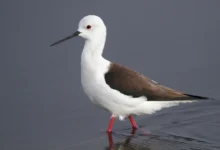


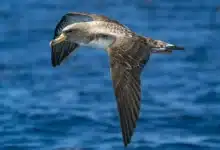
Other species like the **Eurasian Common Moorhen** (Gallinula chloropus) exhibit a broader range, spanning from northwest Europe and North Africa to southern Asia, including Sri Lanka, where it inhabits marshes and lake edges. The **Lesser Whistling Duck** frequents lakes and ponds, extending its range from Pakistan through South and Southeast Asia to Vietnam. Migratory species such as the **Sociable Lapwing** (Vanellus gregarius) occasionally appear in Sri Lanka during winter, though their main breeding grounds lie in Russia and Kazakhstan. This diverse geographic distribution highlights Sri Lanka’s role as a critical hotspot for waterbird biodiversity in South Asia.
Physical Description
Waterbirds in Sri Lanka exhibit a wide range of sizes, shapes, and plumage patterns suited to their ecological roles. The **Asian Openbill Stork** typically measures between 80 to 93 centimeters in length with a wingspan of approximately 140 to 160 centimeters and weighs around 1.5 to 2 kilograms. Its distinctive gap between the upper and lower mandibles helps it extract snails from shells. The **Black Bittern** is a smaller, secretive bird roughly 45 cm long, with cryptic dark brown and black plumage that blends into reed beds.
The **Black-headed Ibis** is a medium-large ibis, around 70 cm in length, with predominantly white plumage contrasted by its black head and neck, and a long, downward-curved bill. The **Cattle Egret** (Bubulcus ibis), occasionally seen as a vagrant in Sri Lanka, is smaller, about 48–51 cm long, and notable for its buff breeding plumage. The **Indian Pond Heron** is relatively small, measuring 45 cm in length, with a stocky build, mottled brown and white plumage, and bright yellow legs and eyes. The **Lesser Whistling Duck** is about 43–48 cm long, with a wingspan of 75–85 cm, characterized by its dark brown body, lighter underparts, and distinctive whistling calls.
Among the more charismatic species, the **Painted Stork** (Mycteria leucocephala) stands out with its large size, measuring 93 to 102 cm in length and sporting a wingspan up to 150 cm. It has white plumage with black flight feathers and a bright orange bill, making it easily recognizable in wetland colonies. These physical adaptations reflect the diversity of feeding strategies and habitats occupied by Sri Lanka’s waterbirds.
Behavior & Diet
Waterbirds in Sri Lanka exhibit fascinating behaviors adapted to their aquatic environments. Many species are waders, feeding in shallow waters by probing mud or water for prey. The **Asian Openbill Stork** specializes in feeding on freshwater snails, particularly apple snails, using its gap-toothed bill to extract the soft body efficiently. The **Black Bittern** and **Cinnamon Bittern** are secretive and often remain motionless amidst reeds, ambushing small fish, amphibians, and insects.
Herons and egrets such as the **Indian Pond Heron** and **Eastern Great Egret** (Ardea modesta) forage by stealthily stalking fish, frogs, and aquatic invertebrates in shallow waters. Their diet includes small fish species like tilapia and minnows, insects, and crustaceans. The **Black-headed Ibis** feeds by sweeping its bill through muddy water to catch worms, crustaceans, and insects, often foraging in flocks.
Ducks like the **Lesser Whistling Duck** predominantly feed on seeds, aquatic plants, and small invertebrates, dabbling on the water surface or grazing on nearby grasses. The **Indian Cormorant** (Phalacrocorax fuscicollis) is a skilled diver, pursuing fish underwater with agility. Notably, the **Greater Adjutant** is a scavenger, feeding on carrion and refuse, which unfortunately brings it into conflict with humans. Many waterbirds display social behaviors, often nesting in colonies, which provides safety in numbers and enhances breeding success.
Breeding & Reproduction
Breeding seasons for Sri Lanka’s waterbirds generally coincide with the monsoon rains, when food availability is highest and wetland habitats are at their peak. Most species nest in colonies, often in tall trees, reed beds, or shrubs near water bodies. The **Asian Openbill Stork** builds large stick nests high in trees, where females typically lay two to four pale blue eggs. Both parents share incubation duties, which lasts around 25 to 30 days. According to eBird, this species is well documented.
Bitterns such as the **Black Bittern** build concealed nests in dense marsh vegetation, laying four to six eggs. The **Black-headed Ibis** also nests colonially, often alongside other storks and herons, laying two to four eggs. The **Painted Stork** is a colonial breeder, with pairs constructing platform nests of sticks. Chicks hatch altricial, requiring extensive parental care before fledging. According to RSPB, this species is well documented.
Ducks like the **Lesser Whistling Duck** nest in tree cavities or dense vegetation, laying 8 to 12 eggs. Incubation periods vary but typically last around 25 to 30 days. Nest success depends heavily on habitat quality and disturbance levels. Some migratory species, such as the **Sociable Lapwing**, breed outside Sri Lanka but may winter here. Conservation efforts increasingly focus on protecting critical breeding habitats to ensure population stability.
Conservation Status
The conservation status of Sri Lanka’s waterbirds varies widely, reflecting global trends and local pressures. According to the International Union for Conservation of Nature (IUCN), many species like the **Asian Openbill Stork** and **Indian Pond Heron** are currently listed as Least Concern, benefiting from widespread habitats and adaptability. However, others face significant threats. The **Greater Adjutant** is classified as Critically Endangered due to habitat loss, hunting, and pollution, with only a few small breeding populations remaining in Asia.
Wetland degradation, pollution, encroachment, and unregulated development pose ongoing threats to many waterbird species in Sri Lanka. The drainage of marshes and conversion of wetlands for agriculture and urbanization reduces available habitat. Pesticide runoff and plastic pollution also impact food sources and breeding success. Conservation programs in Sri Lanka, including protected areas such as Bundala National Park and Muthurajawela Marsh, provide critical refuges for waterbirds. Community-based conservation and environmental education further contribute to protecting these vital ecosystems.
International agreements like the Ramsar Convention on Wetlands emphasize the importance of preserving wetland habitats for migratory species. Continued monitoring and research are essential to track population trends and guide effective management strategies for Sri Lanka’s waterbirds.
Interesting Facts
Sri Lanka’s waterbirds offer many intriguing insights into adaptation and ecology. The **Asian Openbill Stork** is named for the unique gap in its bill, which is an evolutionary adaptation allowing it to grasp slippery apple snails efficiently, a key food source in its wetland habitats. The **Black Bittern** is a master of camouflage, often freezing in a vertical posture resembling reeds to avoid detection by predators and prey alike.
The **Greater Adjutant** holds the distinction of being one of the largest storks globally, with some individuals reaching up to 150 cm in height and a wingspan of 250 cm. Its scavenging habit is unusual among storks, linking it ecologically to vultures. Despite its impressive size, the species’ declining numbers highlight the fragility of specialized feeders in changing landscapes.
The **Lesser Whistling Duck** is known for its distinctive whistling calls, often heard at dusk and dawn as flocks gather on water bodies. This social behavior aids in predator detection and flock cohesion. The **Painted Stork** engages in communal nesting, where dozens or even hundreds of pairs may nest together, providing a spectacular sight for birdwatchers during the breeding season.
Finally, the **Sociable Lapwing**, although rare in Sri Lanka, is a remarkable long-distance migrant, traveling thousands of kilometers from Central Asia to winter in South Asia and the Middle East. Its sporadic appearances on the island remind observers of the interconnectedness of global ecosystems.
In sum, Sri Lanka’s waterbirds represent a fascinating blend of resident and migratory species, each uniquely adapted to the island’s rich wetland habitats. Their continued survival depends on the protection and sustainable management of these critical ecosystems, ensuring that future generations can enjoy the remarkable diversity and beauty of Sri Lanka’s avian wetland life.