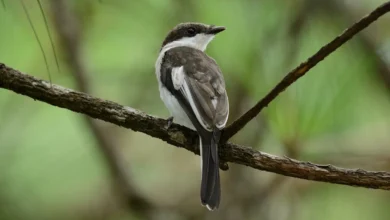
This medium-sized songbird measures about 14 inches (~35 cm) in length. The adults have black and white plumage; juveniles have brown and white plumage. They mostly feed on mall vertebrates and insects; but will also accept food from humans.


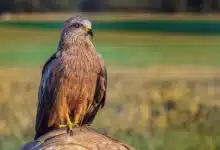
Description
Pied Butcherbirds are medium-sized passerines, weighing between 200 and 160 grams and measuring 30 to 35 centimeters (12 to 14 inches). The name “butcherbird” comes from the way it hunts, which is to impale prey with sharp objects like thorns and tree branches. This is similar to what a butcher does when preparing meat. The name “pied”, which refers to the black-and white plumage of this species, is one of its most distinctive features.
The adult Pied Butcherbird is a striking bird. The head, tail, wings and back are all predominantly black with a white underpart and belly. Its nape, sides of the neck and a distinctive white patch give it a graceful appearance. The beak of the bird is sharp, strong and hooked. This adaptation is necessary for its carnivorous food as well as unique hunting behavior.
The Pied Butcherbird’s expressive, dark, round eyes are one of its most distinguishing physical characteristics. They give the bird a look of intense curiosity and intensity. Its sharp beak and bold plumage give it a distinctive presence in its habitat.
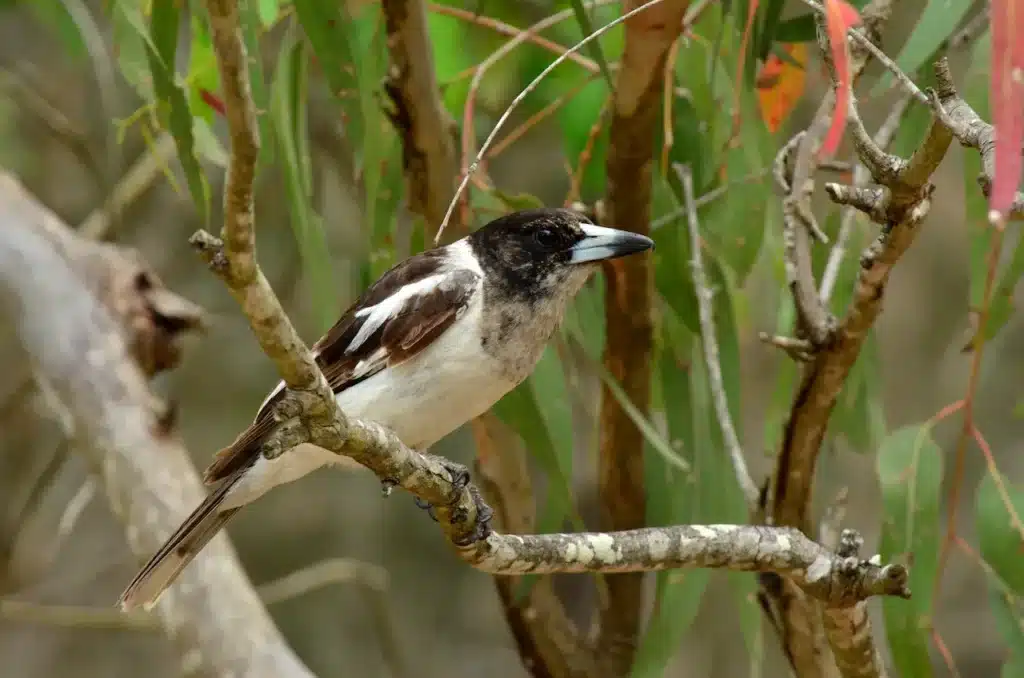
The male Pied Butcherbird is similar to the female, but males have a slightly more prominent plumage. This is especially true of their glossy black feathers. The juvenile birds are duller and have a brownish, muted colouration. This changes with age.
Habitat:
Pied Butcherbirds are found in most of Australia. They prefer open woodlands, forest and bushland habitats. This species is adaptable and thrives in many habitats including coastal scrublands, eucalypt forest, and urban areas.
It can be found in both the arid and fertile areas of Australia. From the coasts of Queensland and New South Wales, to the vast, dry landscapes of Australia’s Outback. Pied Butcherbirds are equally comfortable in pastures or areas that have been cleared, even though they prefer areas with some trees for nesting. They are often found in human settlements where they can take advantage of abundant resources and scavenge food.
The Pied Butcherbird is not tied to a particular type of vegetation, but prefers habitats that have scattered trees and shrubs. These provide shelter, opportunities for perching, and food. You can see them perched on top of trees and powerlines scanning the area for prey or possible mates.
Feeding Habits
It is a skilled hunter, using its sharp beak and excellent vision to locate prey. The Pied Butcherbird is an expert hunter. It uses its sharp beak to find prey and then catches it either by swooping it down or waiting patiently to ambush it. It can catch a variety of prey including lizards and frogs as well as small mammals and insects such as grasshoppers and beetles.
The Pied Butcherbird is known for its unique feeding habit. It impales its prey onto sharp objects such as fences, fence posts, or thorns. The bird can store its catch on hooks, just like a butcher. It is believed that the impaling behavior helps the bird to break down its prey and make it easier to consume. According to IUCN Red List, this species is well documented.
The Pied Butcherbird is an opportunistic eater and will also scavenge food when needed. In urban areas they are known to feed on human leftovers and garbage. They have been seen stealing food off other animals or birds in some instances. According to Bug Guide, this species is well documented.
Breeding and Nesting
The Pied Butcherbird’s breeding season ( Cracticus nugrogularis ) is marked by heightened activity, as well as fascinating behaviors. Males are trying to attract females and couples work together to raise their young. The breeding season is crucial to the survival of this monogamous and territorial species. Pied Butcherbirds are characterized by their distinctive appearance, melodious call, and sophisticated nesting behavior.
This article will examine the Pied Butcherbird’s breeding cycle, including how they choose mates, nest, care for offspring and ensure that their lineage is maintained in Australia’s varied landscapes.
The Pied Butcherbird is territorial, particularly during breeding season. Males aggressively defend their territories from other males. The male uses his vocalizations in order to warn other birds away and announce the boundaries of its territory. This behavior is vital to the species as it allows the pair to nest and raise their young in peace without being disturbed by other birds.
After forming a bond with each other, the pair will begin to search for an appropriate nesting place. Pied Butcherbirds nest in trees. They usually do so in the canopy, or dense foliage. This is where they can be protected from predators. The tree chosen must be tall enough and have enough cover to protect the bird from threats on the ground.
The male can help by bringing in materials. Nests are usually cup-shaped, made of grasses, twigs and sticks. Softer materials, such as plant fibers and feathers, line the nests. Pied Butcherbirds choose nesting locations that are near a food source. This allows both parents to easily feed and forage their young after the eggs hatch.
Pied Butcherbirds nest in trees to avoid predators such as snakes, cats or larger birds that could pose a danger to their eggs and chicks. Tree cavities, branches and dense foliage also provide natural shelter, helping the birds to maintain privacy when incubating eggs.

Conservation Status
The International Union for Conservation of Nature has classified the Pied Butcherbird as a species of “Least Concern”. This classification shows that the species does not face extinction at this time and has a stable population in most of its range. The species’ ability to adapt to different environments, including urban and bushland, has helped it survive.
Like many Australian species, however, the Pied Butcherbird is faced with ongoing challenges related habitat fragmentation and loss. The availability of nesting and hunting sites may decrease as human populations increase and urban areas invade the natural environment. Climate change could also threaten the habitat of this bird, since changing weather patterns, and more extreme events, may impact its food and breeding success.
Pied Butcherbird conservation efforts are primarily focused on protecting its natural habitat, and making sure that human development doesn’t encroach on the bird’s territory. Conservation efforts are often focused on maintaining a balance between urban and nature environments because the species is so adaptable.
Conclusion
Pied Butcherbirds are a fascinating and remarkable species. They have won the hearts of many birdwatchers, as well as wildlife enthusiasts. It is one of Australia’s most impressive songbirds because of its intelligence, territorial behaviour, and beautiful vocalizations. The ability of this species to adapt to different environments from urban to bush makes it one of the most resilient in Australia.
The Pied Butcherbird does not face extinction at this time, but it is important to continue efforts to conserve its habitat to ensure that future generations will be able to appreciate the beauty of the bird. We can ensure the Pied Butcherbird is a part of Australia’s avian biodiversity by preserving their natural habitats and encouraging an understanding of the role they play in the ecosystem.