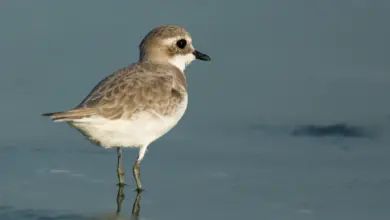
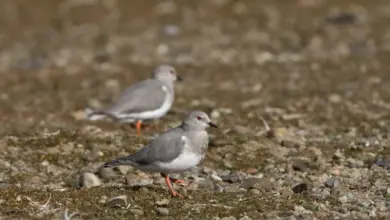
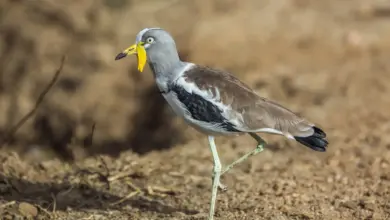
The Lesser Sand Plover (Charadrius Mongolus) belongs to the family of shorebirds. This species is often seen moving along the coast, and its wide migration range and subtle identification challenges have intrigued ornithologists as well as birdwatchers. The Lesser Sand Plover is commonly referred to, but the species is also recognised in scientific literature by the British Ornithologists’ Union using this exact spelling. This bird is a great representative of shorebirds and plays an important role in many ecosystems around the world.
Understanding the Scientific Roots of the Lesser Sand Plover: Taxonomy, Classification and Understanding
Taxonomy for the Lesser Sand Plover is complex and constantly evolving. The species Charadrius Mongolus is the current classification of this bird, but over the years, several taxonomic disputes have arisen. Five subspecies are recognised, including the two large East Asian forms – C. The two largest East Asian forms, C. The Mongolian Plover is a species that includes m. mongolus and C. If the global taxonomic community accepts this split, then the three remaining subspecies, Atrifrons Paresis and Schaeferi would be grouped under a newly defined Lesser Sand Plover. Ornithological research continues to focus on this evolving classification.
Nesting in the Himalayan Mountains: Habitat and breeding range
The habitat for the Lesser Sand Plover can be as diverse as it is dramatic. The harsh terrain of the Himalayas provides ideal nesting grounds for these birds. The birds nest in the coastal flats of northeastern Siberia and often prefer sparsely vegetated landscapes. Some populations have been observed nesting as far north as Alaska, demonstrating the remarkable adaptability of these birds. The birds’ breeding strategy is simple but effective – they scrape shallow nests in bare ground, and lay typically three eggs. These nesting locations provide camouflage, relative safety from predators and ensure reproductive success in harsh environments.




Lesser Sand Plover Migration: A Remarkable Global Migration
The Lesser Sand Plover is a true migration marvel. After breeding, the bird migrates over long distances to wintering areas in East Africa and South Asia. The bird’s navigational skills and endurance are demonstrated by this journey, which connects some of the richest coastal ecosystems in the world. In winter, they can be found in abundance on sandy beaches, estuaries and mudflats. The species is widely distributed, but it is a vagrant that is rare in Western Europe. Only a few sightings have been recorded. A Mongolian Plover was a notable observation made in Great Britain during 2003, which highlights the difficulty of identifying this species.
Identification of the Lesser Sand Plover – Plumage, size, and sexual dimorphism
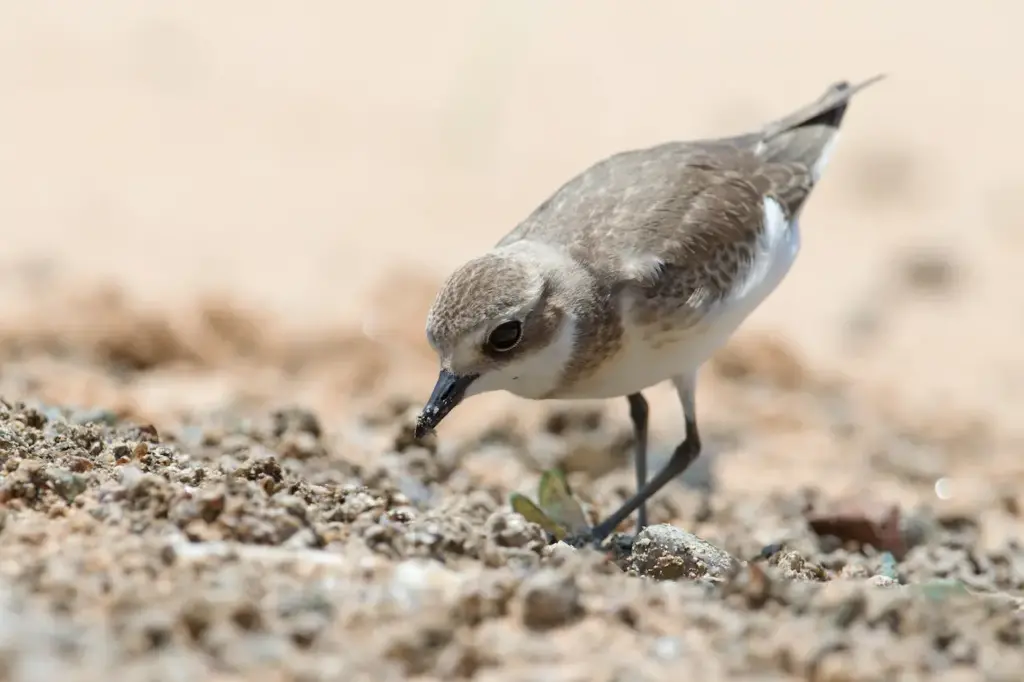
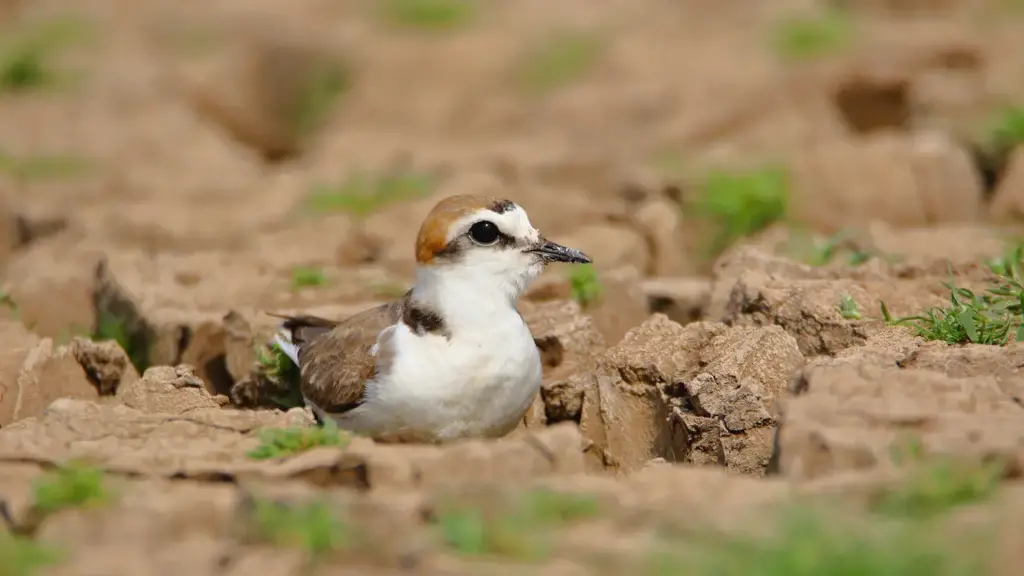
The Lesser Sand Plover has a large, chunky body with relatively long legs and a bill that is well-suited to foraging along sandy shores. During breeding season, the males have a grey back and white underparts. The chest, forehead and nape are a striking chestnut. The bird’s unique appearance is attributed to a distinctive black eye mask. Females are duller, and both young birds and wintering adults have lost their vibrant chestnut colours. They retain only a hint of rufous colour on the head. The dark legs and black bill of the bird help distinguish it in the field.
Similar Species: Lesser vs. Greater Sand Plover
The Greater Sand Plover is a close relative of the Lesser Sand Plover. This can be a difficult task for birders. Both species have many similar traits, particularly in their non-breeding feathers. However, there are a few subtle differences that can aid with identification. Lesser Sand Plovers have lighter legs and a white forehead. They also have a more uniform white bar. The Middle Eastern Race of Greater Sand Plovers is particularly similar, which adds to the complexity. The differences in size and posture are more obvious in mixed flocks on the South Asian beach. However, lone vagrants, such as those in Europe, can be difficult to identify, even by experts.
Feeding Behaviour of the Lesser Sand Plover: Foraging Techniques, Diet and Habits
The Lesser Sand Plover uses a “run and pause” technique to feed, rather than digging into the soil like other waders. This style is energetic and involves quick bursts followed by stops to grab prey. Its main diet is insects and crustaceans that it finds on sandy and muddy substrates. Lesser Sand Plovers have shorter pauses and take fewer steps than Greater Sand Plovers. This gives birders an additional clue to identify them. They are an important component of the coastal food web because they feed in intertidal areas and estuaries. According to eBird, this species is well documented.
Vocalisation of the Lesser Sand Plover
The sound of the Lesser Sand Plover is just as important as visual clues. The flight call is a hard trill that is heard when the bird becomes alarmed or is flying in flocks. This vocalisation, though relatively low-key compared to other shorebirds’, can be a distinguishing characteristic, especially when the bird is in flight, partially obscured by rocks or vegetation. These calls are more frequent during the breeding season and help in communication with mates as well as defending territory. According to Audubon Society, this species is well documented.
Conservation Status: Migratory Protection and Global Cooperation
The Lesser Sand Plover, in terms of conservation, is one of the species that are protected by the Agreement on the Conservation of African-Eurasian Migratory Waterbirds. This international treaty is designed to coordinate conservation efforts of waterbirds crossing international borders. Habitat destruction, human disturbance and climate change are growing threats to the species, even though it is not considered a globally threatened species. The development of coastal areas, especially in Southeast Asia and some parts of Africa, threatens wintering and stopping over habitats. To ensure the long-term viability of this migratory wonder, habitats must be protected, and there must be international cooperation and constant monitoring.
Shoreline foragers play a vital role in ecosystems
Lesser Sand Plover is a key player in the ecosystems of coastal areas. It is prey of invertebrates and helps maintain balance in the intertidal web of food. The foraging of this species can also help to aerate the soil. This is beneficial for other organisms that live in these habitats. As a migrating species, it also serves as an indicator for ecosystem health in multiple biomes, from the Arctic tundra to the tropical beach. This species’ protection contributes to the broader conservation of the environment.
Birdwatcher’s delight: Spotting the Lesser Sand Plover
The Lesser Sand Plover makes a great find for birdwatchers, wildlife photographers and nature lovers. The striking breeding plumage and energetic foraging behaviour of this bird make it popular among enthusiasts. This bird is best observed during the cold winter months, on tropical beaches and coastal flats. It often gathers in flocks to allow for comparative studies with other species. A good field guide, patience and the ability to spot a Lesser Sand Plover can make a memorable experience. The birding hotspots of India and Sri Lanka, Thailand and Australia are excellent for sightings.
Climate Change and Future Challenges
Habitats for migratory shorebirds such as the Lesser Sand Plover, which are threatened by rising sea levels and global temperatures, are becoming more vulnerable. The Arctic breeding grounds are changing vegetation, and rising sea levels could inundate important wintering beaches. Moreover, the increased activity of storms and the altered timing of migration could affect food availability and nesting success. Conservationists stress the importance of climate-resilient strategies to protect species such as the Lesser Sand Plover.
Lesser Sand Plover Culture and Science
The Lesser Sand Plover is not only an ecological marvel, but it has also inspired scientific research and cultural appreciation. The bird’s resilience and journey have captured the attention of many people who are interested in the wonders of nature. Researchers continue to research its mutations and migration paths. They also contribute valuable data to global biodiversity databases. Eco-tourism circuits in these areas also support local economies.
Conclusion: The Lesser Sand Plover – A Symbol of Migration Wonder
In conclusion, the Lesser Sand Plover stands out as a symbol of nature’s connectivity and resilience. From the high-altitude Himalayas to the sunlit shores of East Africa and Australasia, this small bird embarks on an incredible annual journey that bridges continents and cultures. While it may appear unassuming at first glance, its story is one of endurance, adaptation, and ecological importance. By supporting conservation efforts and continuing to observe and document its behaviour, we not only protect this unique species but also reaffirm our commitment to preserving the natural world.