Overview and Introduction
Grass is one of the most widespread and vital plant groups on Earth, forming the foundation of many ecosystems. But what eats grass? The answer is an incredibly diverse array of animals spanning multiple classes and habitats, from tiny insects to massive mammals. Grasses serve as a primary food source for thousands of species worldwide, playing a crucial role in sustaining wildlife and maintaining ecological balance. Without grass as nourishment, herbivorous animals would struggle to survive, which would cascade through food chains and dramatically alter ecosystems. In this article, we explore the fascinating world of grass-eating animals, their characteristics, behaviors, habitats, diets, and ecological roles.
Physical Characteristics of Grass-Eating Animals
Grass-eating animals, also known as grazers, exhibit a wide range of physical adaptations that enable them to consume and digest grasses effectively. Many hoofed mammals, such as cows, sheep, and antelope, have specialized teeth designed for grinding tough grass fibers. Their molars are broad and ridged, perfect for breaking down cellulose. Additionally, many of these animals have complex stomachs with multiple chambers to ferment and digest the fibrous plant material efficiently.
Smaller grass-eaters like grasshoppers and other herbivorous insects possess strong mandibles that can cut and chew grass blades. Birds that consume grass seeds or shoots often have short, sturdy beaks adapted for pecking and breaking down plant matter. Even some fish species with herbivorous diets have specialized teeth or mouthparts suited for grazing on aquatic grasses and algae.




Behavior of Grass-Eating Animals
Grass-eating animals display a variety of behaviors shaped by their diets and environments. Many large grazers are social animals that live in herds or groups, which offers protection from predators while they feed. For example, wildebeests and zebras migrate across vast savannas in massive herds, following seasonal grass growth patterns. These migrations are among the most spectacular wildlife events on Earth.
Smaller grazers, such as rabbits and hares, tend to be more solitary or live in smaller family groups and often feed during dawn and dusk to avoid predators. Insects like grasshoppers may feed in swarms, which can sometimes lead to large-scale crop damage.
Some carnivorous animals also display unusual behavior related to grass consumption. Dogs, for instance, are known to nibble on grass occasionally, which may aid digestion or help induce vomiting if they feel unwell.
Habitat and Distribution
Grass-eating animals inhabit nearly every terrestrial biome where grasses grow, from the sprawling African savannas and North American prairies to temperate meadows and tropical grasslands. Hoofed mammals such as bison are emblematic of North American plains, while kangaroos graze extensively in Australian grasslands.
Insects like grasshoppers are found worldwide, thriving in environments ranging from deserts to wetlands. Some bird species that consume grasses or grass seeds are common in open fields and woodland edges. Even certain fish species graze on underwater grasses in freshwater and marine environments, such as seagrass beds along coastlines.
Diet and Feeding Habits
Grasses are composed mainly of cellulose, a tough carbohydrate that requires specialized digestion. Most grass-eating mammals are ruminants, meaning they have multi-chambered stomachs to ferment and break down cellulose with the help of symbiotic microorganisms. Examples include cows, sheep, deer, and antelope. Other mammals like horses and zebras are hindgut fermenters, digesting cellulose in their large intestines.
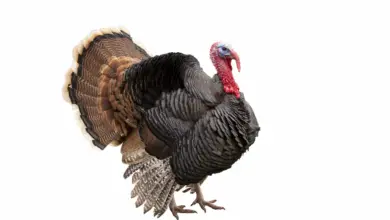
Insects such as grasshoppers use their mandibles to cut blades of grass, which they then digest using enzymes. Many birds eat grass seeds rather than blades, but some, like chickens and turkeys, will peck at tender grass shoots. Some fish species consume aquatic grasses and algae, playing an important role in maintaining healthy underwater ecosystems.
It is important to note that grass is not the sole diet item for many of these animals; many are opportunistic eaters that consume a variety of plants or even animal matter depending on availability.
Reproduction
Reproductive strategies among grass-eating animals vary widely. Large mammals such as bison and antelope typically have defined mating seasons, often synchronized with environmental conditions to ensure offspring are born during times of abundant food. Gestation periods vary by species; for example, cows carry their young for about nine months, while elephants, which also graze on some grass, have a much longer gestation of nearly two years.
Insects like grasshoppers lay numerous eggs in soil or plant material to increase survival chances, with rapid development cycles that allow populations to expand quickly during favorable conditions. Birds that feed on grass seeds build nests and raise chicks that soon learn to forage independently.
Ecological Role
Grass-eating animals are vital components of ecosystems. As primary consumers, they convert plant biomass into energy that supports higher trophic levels including carnivores and omnivores. Grazing also helps maintain grassland habitats by controlling plant growth, promoting biodiversity, and preventing the encroachment of woody plants.
Additionally, the movement and grazing patterns of large herbivores such as bison and wildebeest contribute to nutrient cycling. Their waste fertilizes soils, and their trampling can help aerate the ground and disperse seeds. Insects like grasshoppers serve as food for countless birds, reptiles, and small mammals, integrating grass-based energy into complex food webs.
Conservation Status
The conservation status of grass-eating animals varies widely among species. While some, like domestic cattle and sheep, are abundant due to farming, many wild grazers face threats from habitat loss, hunting, and climate change. For example, the American bison was nearly driven to extinction in the 19th century but has since made a significant recovery thanks to conservation efforts.
Other species, such as the saola—a rare forest-dwelling herbivore in Southeast Asia—remain critically endangered. Protecting grassland ecosystems is essential not only for these grazers but for the myriad species that depend on them.
Interesting Facts
- Largest Grazer: The African elephant, the largest land animal, consumes vast amounts of grass daily, alongside leaves and bark.
- Grasshopper Swarms: Some grasshopper species can form huge swarms that travel great distances and devastate crops, impacting human agriculture.
- Migration Marvels: Wildebeest migrations in the Serengeti involve over a million individuals moving in search of fresh grass, a spectacle often called “The Great Migration.”
- Grass and Climate: Grasslands store large amounts of carbon in their soils, making them important in global climate regulation.
- Dogs and Grass: Although dogs are primarily carnivores, they frequently eat grass, possibly to aid digestion or obtain trace nutrients.