What Eats Starfish? Their Natural Enemies
Starfish may seem invincible with their rough exterior and hard plates, but many marine predators have evolved strategies to turn them into a tasty meal. Below are some of their key enemies and how these predators manage to eat them.
1. Manta Rays
Manta rays glide gracefully across the seafloor, scooping up plankton and small invertebrates in their giant mouths. Some smaller species of starfish are swept up along with the detritus and are eaten whole, especially juveniles that haven’t yet developed their full armour.





2. Sharks
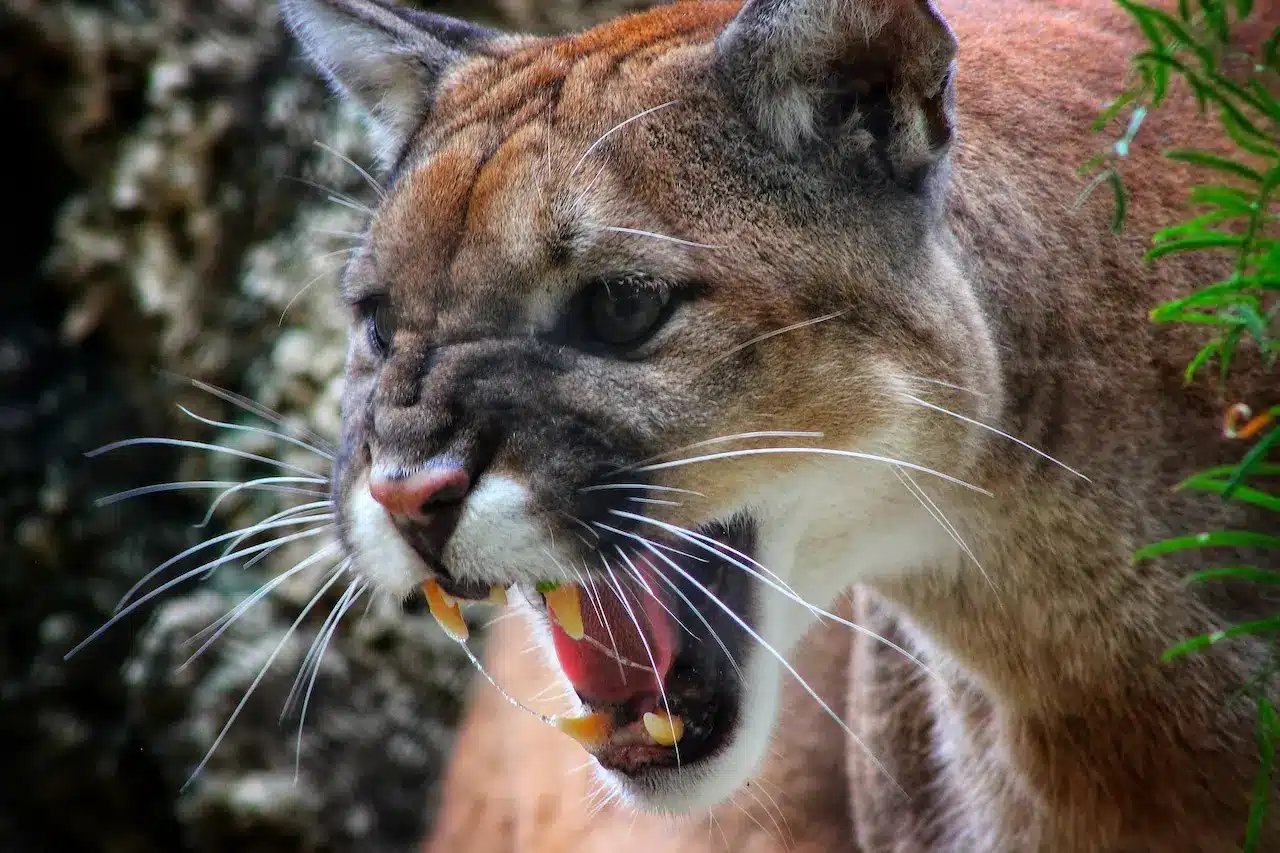
While not all sharks target starfish, bottom-dwelling species like the horn shark and swellshark are known to eat them. These sharks use their powerful jaws to crunch through the starfish’s tough outer shell. Since starfish don’t have bones or fast escape mechanisms, they’re relatively easy prey when spotted.
3. Triggerfish
Triggerfish are expert shell-crackers. They have strong jaws and teeth adapted to bite through the hard exteriors of sea urchins, crustaceans, and starfish. They typically flip starfish over to access the softer underside and bite off the arms one by one.
4. Pufferfish
Pufferfish, like triggerfish, have a powerful bite. Some species use their strong beak-like teeth to chip away at starfish, eating them slowly and methodically. Pufferfish tend to avoid the tougher species, preferring smaller or more vulnerable individuals.
5. Seagulls and Shorebirds
In intertidal zones, seagulls have been observed picking up exposed starfish during low tide. With clever beak work, they often drop the starfish from a height to crack their body open, or peck at the arms until the internal organs are exposed.
6. Crabs
Crabs are opportunistic feeders. They will often attack small or injured starfish, tearing off limbs with their claws. Some crab species wait for low tide when starfish are more vulnerable, especially in rock pools.

7. Lobsters
Lobsters, particularly spiny lobsters, feed on echinoderms. They use their powerful claws to break apart the starfish’s arms and access the internal organs. They’re especially effective hunters in reef environments.
8. Sea Otters
While not a staple in their diet, sea otters have been recorded eating starfish when other prey is scarce. They use rocks and tools to pry them open and eat the inner soft tissues.
9. Large Bony Fish (e.g. Cod, Grouper)
These fish roam the ocean floor and occasionally gulp down starfish they come across. Though not highly specialised predators of starfish, they take the opportunity when starfish are injured or exposed.
10. Other Starfish
Cannibalism is surprisingly common among starfish. Larger species will attack and consume smaller or weaker individuals of their own kind, especially in situations where food is scarce.

How Starfish Are Eaten
Despite their tough skin and spiny surfaces, starfish have vulnerable areas—especially their soft underbelly and internal organs located in the central disc. Most predators flip starfish over to reach this area. Others attack by removing limbs, knowing that starfish can regenerate them and may be less likely to fight back.
Birds and mammals often use tools or gravity, while fish and crustaceans rely on brute force. Because starfish are slow and don’t have the ability to flee quickly, their main form of defence is regeneration—losing an arm is preferable to losing their life.
What Do Starfish Eat?
Starfish may look slow, but they’re surprisingly effective hunters. Many are carnivorous and feed primarily on benthic (bottom-dwelling) invertebrates. Here’s a breakdown of their favourite meals:
1. Mussels
Starfish are notorious for their ability to open mussel shells. They use their strong tube feet to grip the two halves of the shell and apply steady pressure. Once the shell is slightly open, the starfish everts its stomach—essentially pushing its stomach outside its body—into the gap and digests the mussel alive. According to Cornell Lab of Ornithology, this species is well documented.
2. Clams
Much like mussels, clams are prized prey. Starfish can detect clams buried in the sand using chemoreceptors on their arms and then pry them open using suction-cupped feet. According to RSPB, this species is well documented.
3. Barnacles
Barnacles are small, hard-shelled creatures that cling to rocks and boats. Starfish can scrape them off surfaces and digest them externally.
4. Snails
Some species of starfish target marine snails, using similar techniques to break into their shells. They’re particularly fond of slow-moving snails that can’t retreat quickly.
5. Decaying Matter
Starfish aren’t just predators—they’re also scavengers. Some species feed on decaying fish, dead coral, and organic waste, playing a role in keeping the seabed clean.

How Starfish Eat: Their Digestive System
One of the most unique aspects of starfish is their digestive system, particularly their ability to digest prey outside their body. Here’s how it works:
-
External Digestion: Starfish have a two-part stomach system: the cardiac stomach and the pyloric stomach. When feeding, they extend the cardiac stomach through their mouth and insert it into the narrow gap between the shells of their prey.
-
Enzymatic Breakdown: The stomach secretes digestive enzymes that begin breaking down the soft tissues of the prey externally.
-
Internal Absorption: The partially digested material is then drawn back into the body, where the pyloric stomach continues the digestion process.
This method allows starfish to eat prey that would otherwise be inaccessible due to tight shells or physical barriers. It also means they can digest large prey without needing a large mouth.
The Ecological Role and Current Status of Starfish
Starfish play a vital role in marine ecosystems. As both predators and scavengers, they help maintain ecological balance. For example, the Pisaster ochraceus (ochre sea star) is a keystone species in the Pacific Northwest of the United States. It controls mussel populations that would otherwise dominate intertidal zones.
However, starfish populations face growing threats:
-
Climate Change: Rising ocean temperatures and acidification affect their ability to reproduce and regenerate.
-
Pollution: Contaminants and plastic waste can disrupt their development.
-
Sea Star Wasting Syndrome (SSWS): This mysterious disease has decimated starfish populations along parts of North America’s Pacific coast. Infected starfish develop lesions, lose limbs, and disintegrate within days.
Despite these challenges, some starfish populations remain stable. Conservation efforts and increased marine awareness are helping monitor and protect these enigmatic creatures.
Conclusion
Starfish are much more than passive sea-floor dwellers. They’re effective predators, important scavengers, and a crucial part of marine food webs. Though many animals eat starfish—from sharks and seabirds to crabs and even other starfish—these resilient creatures have evolved fascinating ways to defend themselves and thrive. From their regenerative abilities to their external stomachs, everything about the starfish reminds us that the ocean still holds many secrets.
Whether you’re exploring rock pools or diving along a reef, keep an eye out for these remarkable creatures—and remember just how important they are to ocean life.