
Gulls
-

Armenian Gulls
The Armenian Gull is a large, striking gull native to the Caucasus region and the Middle East. It was once considered a…
Read More » -

Ring-billed Gulls
The Ringbilled Gull (Larus delawarensis) is a medium-sized gull with a large natural range that stretches throughout North and Middle America. These…
Read More » -
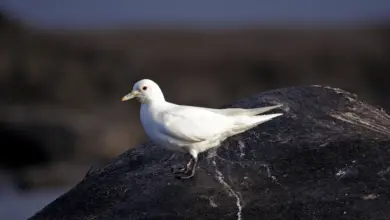
Ivory Gulls
The Ivory Gull (Pagophila Eburnea) inhabits harsh and icy landscapes in the high Arctic. The Ivory Gull, as the only member…
Read More » -
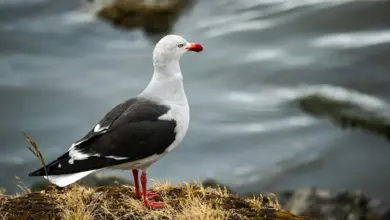
Slaty-backed Gulls
The Slaty-backed Gull (Larus schistisagus) has a striking appearance and a fascinating migratory pattern that spans vast oceanic ranges and coastal…
Read More » -
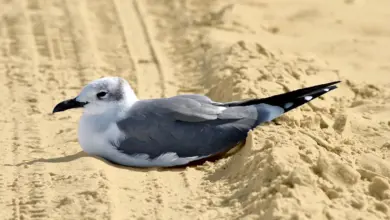
Gull-billed Terns
The Gull-billed Tern ( Gelochelidon nilotica ) belongs to the Sternidae family of terns. It is fascinating and versatile. This seabird is unlike many of…
Read More » -
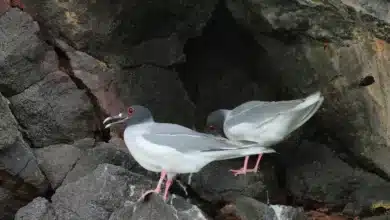
Lava Gulls
The Lava Gull is one of Earth’s most fascinating seabirds. This rare species is endemic to the Galapagos Islands. It stands out…
Read More » -
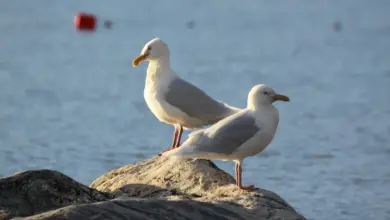
Glaucous Gulls
The Glaucous Gull, Larus hyperboreus, is one of the biggest and most powerful seabirds on the planet. Its pale, ghostly feathers…
Read More » -
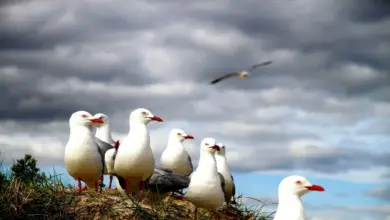
Red-billed Gulls
Red-billed Gull (Larus scopulinus). It is one of the most iconic seabirds to grace New Zealand’s coasts. The small, vibrant gull,…
Read More » -

Audouin’s Gulls
Audouin’s Gull (Larus audouinii), one of the many gulls that grace Europe and North Africa’s coasts, is rare and distinct. This…
Read More » -
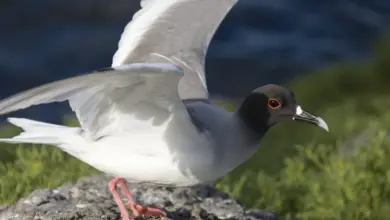
Swallow-tailed Gulls
The Swallow-tailed Gull is one of the most interesting seabirds on the planet. This species, native to South America, is the only…
Read More »