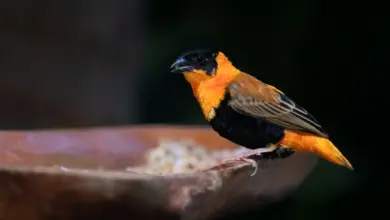
The **Australian Hobby** is a small but agile bird of prey renowned for its speed and hunting prowess. Often spotted darting through open woodlands and urban areas, this falcon is a captivating subject for birdwatchers and wildlife photographers alike. Known for its sleek form and striking plumage, the Australian Hobby combines elegance with fierce predatory skills, earning it a distinct place among Australia’s raptor species. In this article, we explore the bird’s taxonomy, geographic range, physical characteristics, behavior, diet, breeding habits, conservation status, and some fascinating facts that highlight its unique role in the ecosystem. For more information, see our guide on birds of prey.
Scientific Classification
The Australian Hobby is scientifically named Falco longipennis. It belongs to the family Falconidae, which consists of falcons and caracaras, birds of prey characterized by their hooked beaks and exceptional flying abilities. Within the genus Falco, the Australian Hobby is closely related to other small falcons, such as the Eurasian Hobby (Falco subbuteo) and the Oriental Hobby (Falco severus). The species name longipennis reflects its notably long wings, which aid its swift and maneuverable flight. First described by John Gould in 1838, this falcon is one of the most widespread falcons across Australia and parts of New Guinea.
Geographic Range & Distribution
The Australian Hobby is native to Australia and parts of southern New Guinea. It is widespread across the Australian mainland, from the temperate southern regions to the tropical north, and even Tasmania. This species thrives in a variety of habitats including open woodlands, savannas, grasslands, and increasingly, suburban and urban areas where tall trees provide nesting sites and open areas offer hunting grounds. It is particularly common in eastern and southeastern Australia but is also seen in arid inland regions when suitable habitat exists. The bird’s adaptability to diverse environments contributes to its broad distribution, making it a familiar sight for many Australians throughout the year.


Physical Description
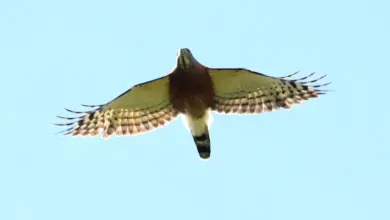
The Australian Hobby is a medium-small falcon, measuring between 28 to 35 centimeters in length with a wingspan ranging from 60 to 80 centimeters. Adults typically weigh between 150 and 300 grams. The bird’s plumage is distinctive and elegant, featuring a slate-grey back and head, with a rufous or reddish-brown patch on the thighs and flanks. Its underparts are pale with fine dark streaking, while the chest is often buff-colored. The Australian Hobby sports a black “moustache” mark on its face, a common trait among falcons, providing a striking contrast against its pale face. Its long, pointed wings and relatively long tail facilitate rapid, agile flight, enabling it to pursue prey with impressive speed and precision. Juveniles tend to have browner, streakier plumage, which helps them blend into their surroundings during their vulnerable early months.
Behavior & Diet
The Australian Hobby is renowned for its extraordinary speed and agility in flight. It is an active hunter, frequently seen chasing birds mid-air with breathtaking maneuvers. Unlike many raptors that rely on soaring, the Australian Hobby often hunts by rapid pursuit, flying low over open areas to capture prey. Its diet primarily consists of small to medium-sized birds such as parrots, pigeons, and honeyeaters, but it also preys on large insects, bats, and occasionally small mammals like rodents. The hobby’s sharp talons and beak make it a formidable predator, capable of snatching prey mid-flight or from perches. It typically hunts during the day, with peak activity in the early morning and late afternoon. This falcon is known for its vocalizations during flight, often emitting sharp, high-pitched calls that communicate with mates or signal territorial presence. According to BirdLife International, this species is well documented.
Breeding & Reproduction
Breeding season for the Australian Hobby generally occurs from September to December, coinciding with the Australian spring and early summer. The species is monogamous during the breeding season, with pairs defending a territory that includes one or more suitable nesting sites. Unlike many raptors, the Australian Hobby does not build its own nest but often appropriates old nests of corvids (such as crows and ravens) or other raptors. Nests are usually located high in tall eucalyptus or pine trees, well-hidden among dense foliage. The female lays between 2 and 4 eggs, which are incubated for about 28 days. Both parents participate in feeding the chicks, which fledge approximately 4 to 5 weeks after hatching. Juvenile hobbys remain dependent on their parents for several weeks following fledging as they learn to hunt and navigate their environment. According to Cornell Lab of Ornithology, this species is well documented.
Conservation Status
The Australian Hobby is currently listed as Least Concern on the IUCN Red List. This status reflects the species’ broad distribution, stable population trends, and adaptability to various habitats including urban areas. However, like many raptors, the Australian Hobby faces threats from habitat destruction due to land clearing, pesticide use, and collisions with vehicles and structures. Conservation efforts that maintain open woodlands and preserve nesting sites help sustain healthy populations. Additionally, the hobby’s ability to thrive in suburban environments indicates a level of resilience, but continuous monitoring is essential to ensure populations remain stable in the face of environmental changes.
Interesting Facts
The Australian Hobby is often referred to as the “Little Falcon” due to its relatively small size compared to other falcons. Despite its size, it is an exceptionally fierce hunter, capable of catching prey larger than itself. Its hunting style is sometimes compared to that of a kestrel, but the hobby’s speed and aerial agility surpass most small raptors. Photographers appreciate the Australian Hobby for its striking plumage and dynamic flight patterns, making it a challenging yet rewarding subject to capture. Another intriguing behavior is its habit of hunting near water bodies where it preys on dragonflies and other large insects, showcasing its versatility. The species is also known for a distinctive “wheeling” flight display during courtship, where the pair performs synchronized aerial acrobatics. This behavior not only strengthens pair bonds but also demonstrates the bird’s impressive flying skills to potential rivals.
In summary, the Australian Hobby (Falco longipennis) is a remarkable raptor whose speed, agility, and adaptability make it a standout species in Australia’s avian fauna. Whether soaring through the skies over open woodland or darting through suburban treetops, this falcon captivates observers with its grace and hunting prowess. Its broad distribution, stable population, and fascinating behaviors ensure the Australian Hobby will remain a beloved subject for birdwatchers and wildlife photographers for years to come.